Iranian Foreign Minister Abbas Araghchi initiated intensive diplomatic talks with Turkish Foreign Minister Hakan Fidan and Omani Foreign Minister Badr Albusaidi following recent United States airstrikes on several Iranian provinces.
Urgent Diplomatic Consultations Amid Military Tensions
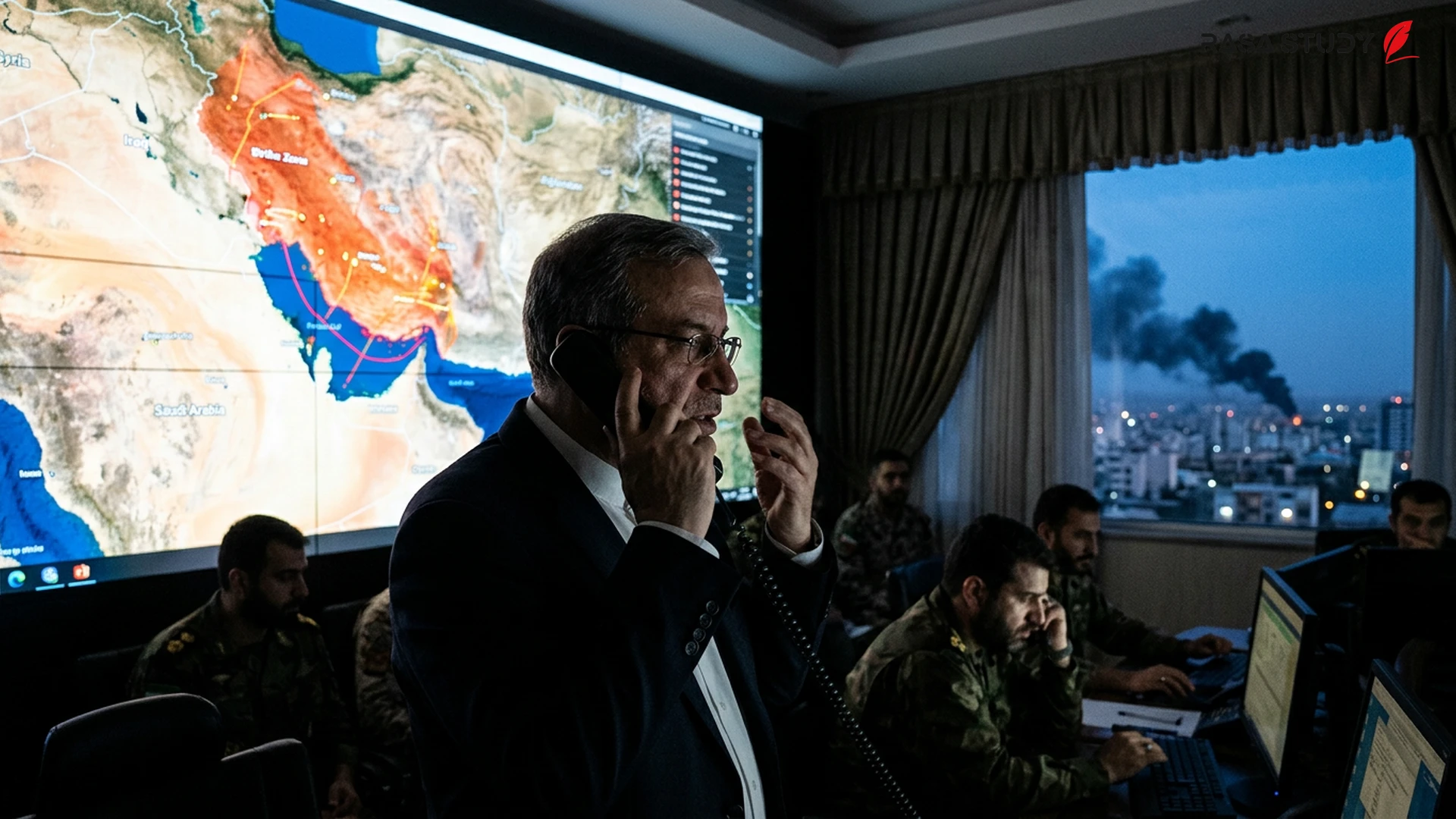
Following an unprecedented escalation of conflicts between Tehran and Washington, Iranian Foreign Minister Abbas Araghchi held separate telephone conversations with his counterparts in Turkey and Oman on Thursday, July 9, 2026. These talks focused on recent United States airstrikes on Iranian soil and the critical situation in the Strait of Hormuz [1]. According to a statement from the Iranian Ministry of Foreign Affairs, Araghchi emphasized the need for regional coordination to prevent the expansion of war and to counter what he termed "US military adventures" in his talks with Hakan Fidan and Badr Albusaidi [3].
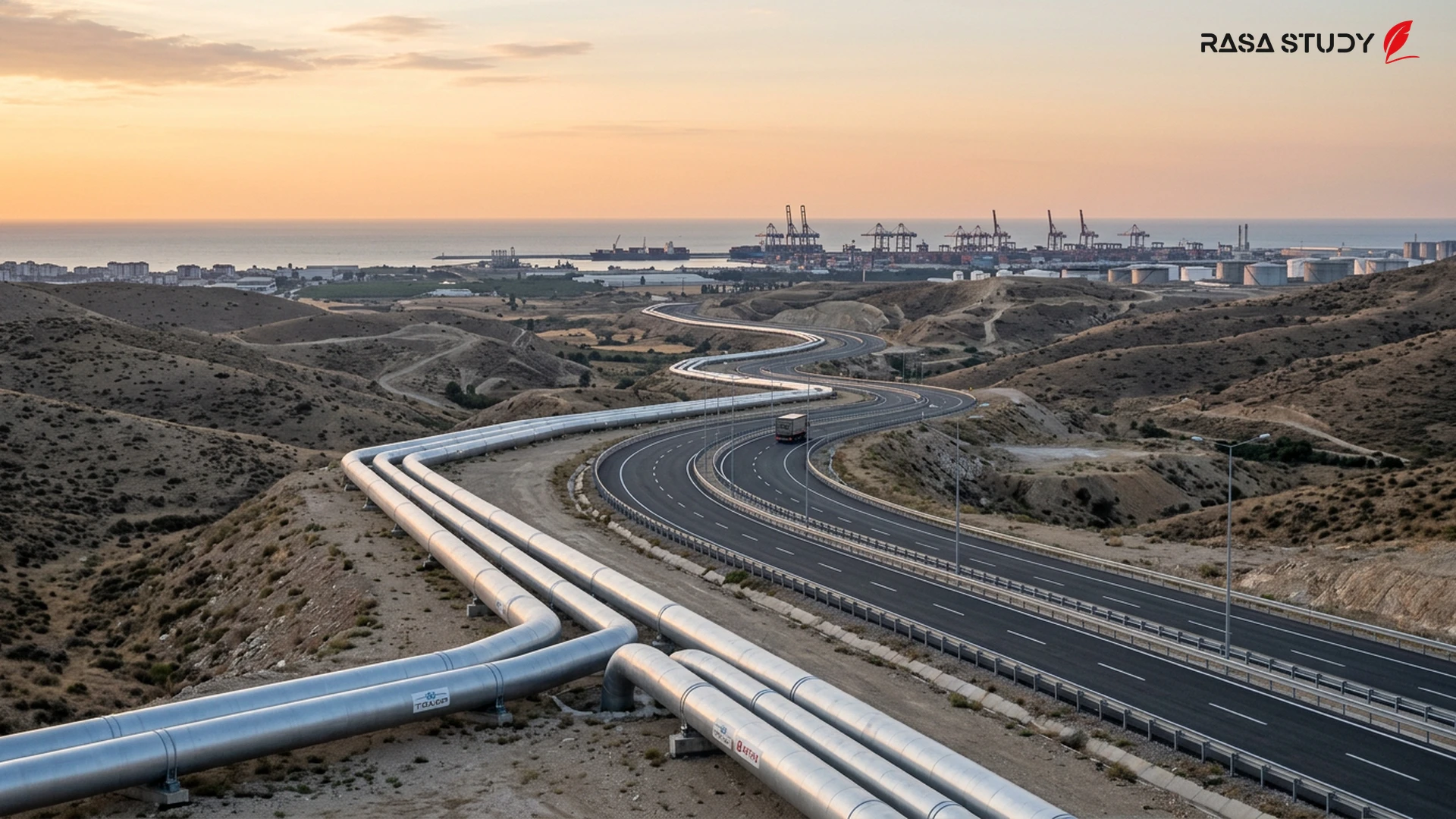
These diplomatic moves come as the region faces one of the most serious security challenges in recent years. The foreign ministers of the three countries stressed the importance of maintaining diplomatic channels and coordination to reduce tensions in vital international shipping routes [4].
Details of US Airstrikes and Iran's Missile Response
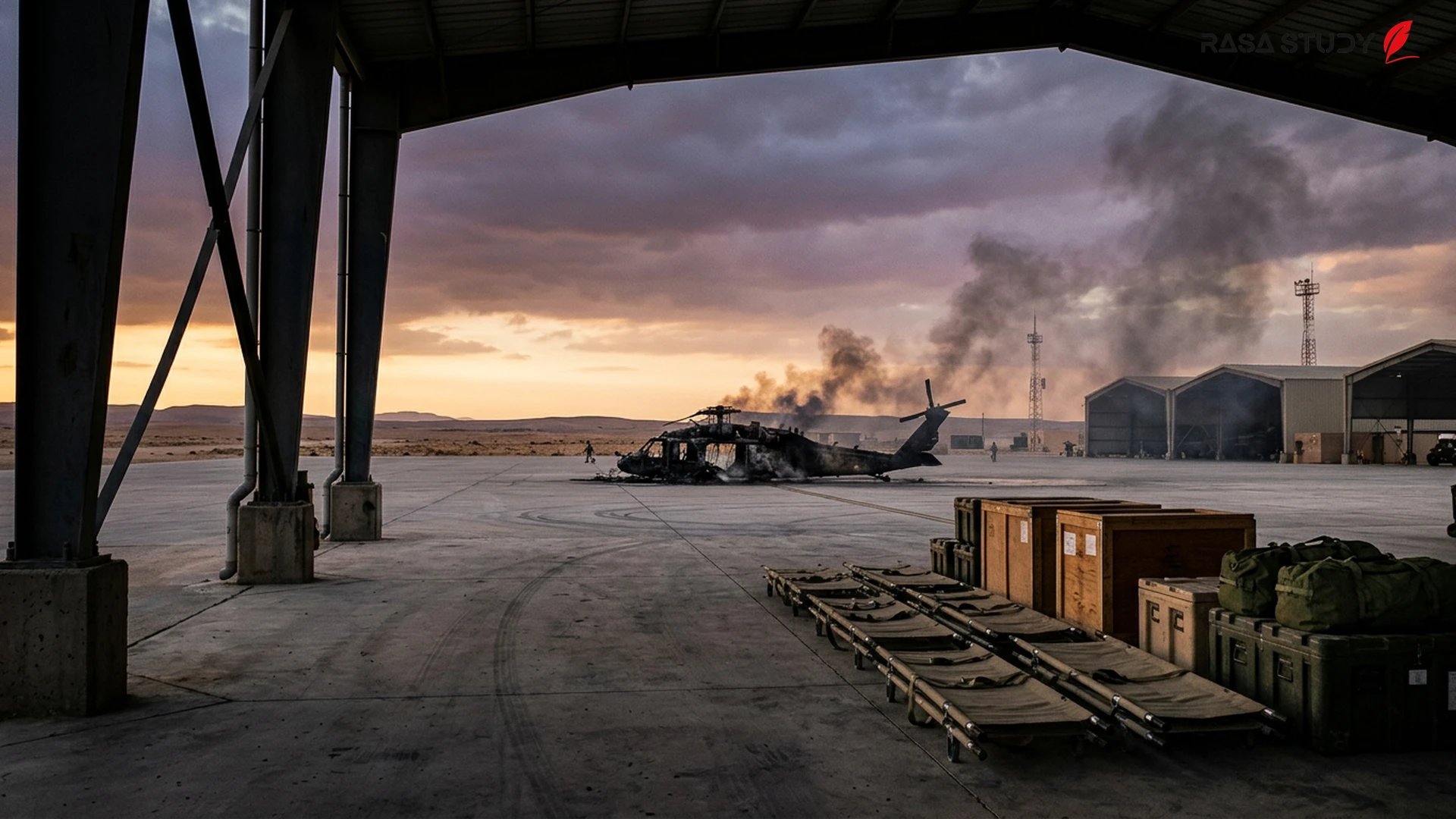
The United States attacks, carried out on Wednesday and Thursday, targeted several locations in Iran's southern provinces as well as transport infrastructure in the northeast of the country. Official reports indicate that at least 14 people were killed and 78 were injured in these attacks [1]. Additionally, two strategic bridges on the Gorgan to Incheh Borun and Mashhad to Tehran railway routes were destroyed, which Iran described as "war crimes" [3].
In response, the Islamic Revolutionary Guard Corps and the Iranian Army targeted US military bases in Kuwait, Bahrain, Qatar, and Jordan with missile and drone strikes in a retaliatory move [2]. The Pentagon stated that these attacks were carried out in response to the targeting of commercial ships in the Strait of Hormuz by Iranian forces; a claim that Tehran considers a pretext for violating its national sovereignty [1].
Fate of the Peace Memorandum and the Role of Mediators
These conflicts occur only weeks after the signing of a peace Memorandum of Understanding (MoU) between Iran and the United States, mediated by Pakistan. US President Donald Trump officially announced the end of this agreement's validity on Wednesday, claiming that Iran had violated the ceasefire terms [2]. In calls with regional officials, Araghchi identified Washington as the primary party responsible for the collapse of this agreement and emphasized that Iran reserves the right to defend its territorial integrity [4].
Turkey and Oman, which have always played the role of mediators in regional crises, are now striving to prevent the occurrence of an all-out war. Meanwhile, reports indicate that the funeral of the late Iranian leader in Mashhad has been accompanied by increased military rhetoric and calls for revenge, further complicating the diplomatic atmosphere [1].
Abbas Araghchi and Hakan Fidan consulting on regional security developments and recent attacks in the Persian Gulf.
linkSources
- Iran diplomat discusses developments with foreign officials — China Daily Asia (2026-07-10)
- Explosions across Iran Raise Fears of a New Escalation — Palestine Chronicle (2026-07-09)
- Araghchi discusses region with foreign counterparts amid strikes — The Siasat Daily (2026-07-10)
- Türkiye and Iran FMs discuss ceasefire — APA News (2026-07-09)
- Strains on US-Iran peace talks after Strait of Hormuz incidents — TIME (2026-07-07)