Iranian Foreign Minister Abbas Araghchi announced that the signing of the 'Islamabad' memorandum is imminent, marking a new chapter in diplomatic relations. This two-stage agreement includes ending hostilities on all fronts and reopening trade routes.
Proximity to Signing the Islamabad Memorandum Iranian Foreign Minister Abbas Araghchi announced on Friday, June 12, 2026, in an interview with state television and on social media, that the document known as the "Islamabad Memorandum" has never been this close to the final stage [1]. This document, drafted with active mediation from Pakistan, is intended to officially end conflicts on all fronts, including the Lebanese front [4]. Araghchi emphasized that this memorandum will likely be signed digitally and remotely by the parties in the coming days [2].
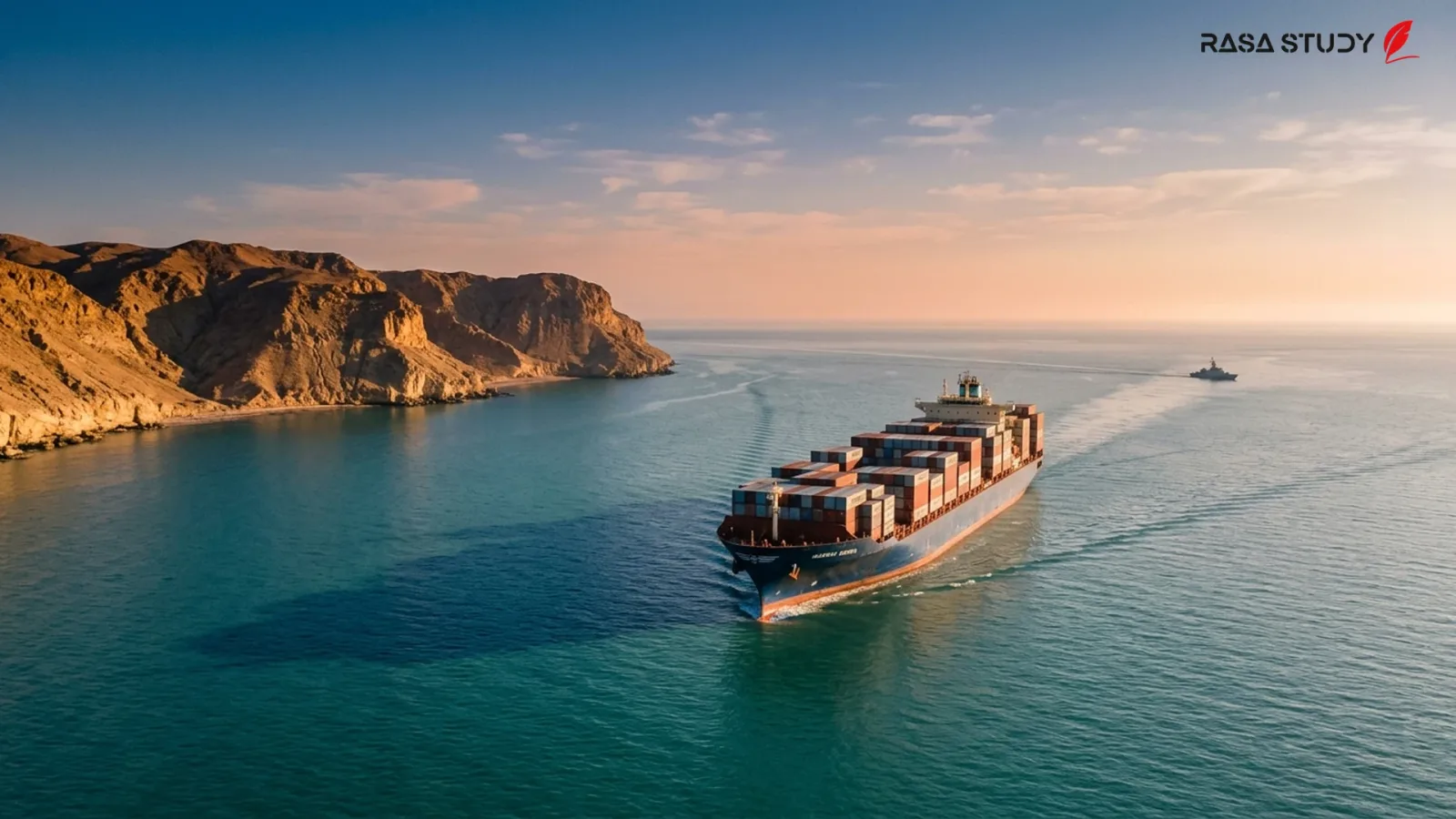
New Management of the Strait of Hormuz and Lifting the Naval Blockade One of the key pillars of this agreement is a change in the management of the Strait of Hormuz. The Iranian Foreign Minister stated that sovereignty over this strategic waterway belongs to Iran and Oman, and its management will not return to the pre-war era [3]. According to his statements, Iran and Oman intend to charge fees for the services they provide in the strait, and passage through this route will no longer be free [5]. Additionally, the complete lifting of the naval blockade on Iranian ports is listed as one of the first executive clauses of this memorandum [1].
Two-Stage Negotiations and the Fate of the Nuclear Program Araghchi described the structure of the negotiations as two-staged. The first stage involves signing the Islamabad Memorandum and implementing initial commitments. The second stage, which is expected to last 60 days, will be dedicated to more complex issues such as the lifting of sanctions, details of the nuclear program, and compensation mechanisms [1][3]. He explicitly stated that nuclear negotiations will not begin in the second phase until the first stage is fully implemented [3]. Furthermore, the issue of diluting Iran's 60% uranium stockpiles was raised; according to Araghchi, this process must only take place within Iranian territory [2].
International Reactions and Challenges Ahead US President Donald Trump evaluated the process as positive by reposting Araghchi's post on the social network X, although he had previously warned about the leak of misinformation in the media [4][5]. On the other hand, Pakistani Prime Minister Shehbaz Sharif confirmed that the final peace text has been reached and that Islamabad is coordinating the final steps [4]. However, Araghchi warned that this agreement has serious enemies, particularly among hardliners and the Zionist regime, who are looking for an excuse to destroy this diplomatic opportunity [3].
Iranian Foreign Minister Abbas Araghchi explaining the details of the Islamabad Memorandum in June 2026.
linkSources
- Iran's foreign minister details proposed memorandum with US — Anadolu Ajansı (2026-06-12)
- İran Dışişleri Bakanı Arakçi'den müzakere sürecine ilişkin açıklama — 24 Saat Gazetesi Ankara (2026-06-12)
- Araghchi: No US-Iran nuclear talks without interim deal — The Jerusalem Post (2026-06-12)
- Iran and US say deal closer than ever — AL-MONITOR (2026-06-12)
- Iranian foreign minister says deal with U.S. 'never been closer' — Axios (2026-06-12)