Iranian Foreign Minister Seyed Abbas Araghchi, in separate phone calls today with his counterparts from Turkey, Iraq, and Egypt, reviewed the latest status of the "Islamabad Accord" implementation and the necessity of stopping Israeli attacks on Lebanon.
Diplomatic Marathon in Tehran; Consultations with Neighbors
Today, June 15, 2026, Seyed Abbas Araghchi, the Foreign Minister of the Islamic Republic of Iran, held separate discussions in an extensive diplomatic move with the Foreign Ministers of Turkey (Hakan Fidan), Iraq (Fuad Hussein), and Egypt (Badr Abdelatty) [1]. The main focus of these talks was to review the progress and executive provisions of the "Islamabad Accord," which is recognized as a roadmap for ending recent conflicts and reducing regional tensions [2]. In these calls, while appreciating the constructive roles of Ankara, Baghdad, and Cairo in facilitating the ceasefire process, Araghchi emphasized the need for close coordination to ensure lasting stability.
Islamabad Accord; A Step Toward Lasting Peace
The Islamabad Accord, drafted with active mediation from Pakistan and cooperation from regional powers, includes a two-phase framework for the cessation of hostilities between Iran and the United States [4]. According to published reports, this agreement includes the full reopening of the Strait of Hormuz, the lifting of the naval blockade, and the release of $6 billion in frozen Iranian assets [1.1.7]. In his consultations today, Araghchi stated that the primary responsibility for the precise implementation of this memorandum lies with the United States, and Tehran expects all commitments of the opposing party to be operationalized without obstruction [7].
Reopening the Strait of Hormuz and Maritime Security
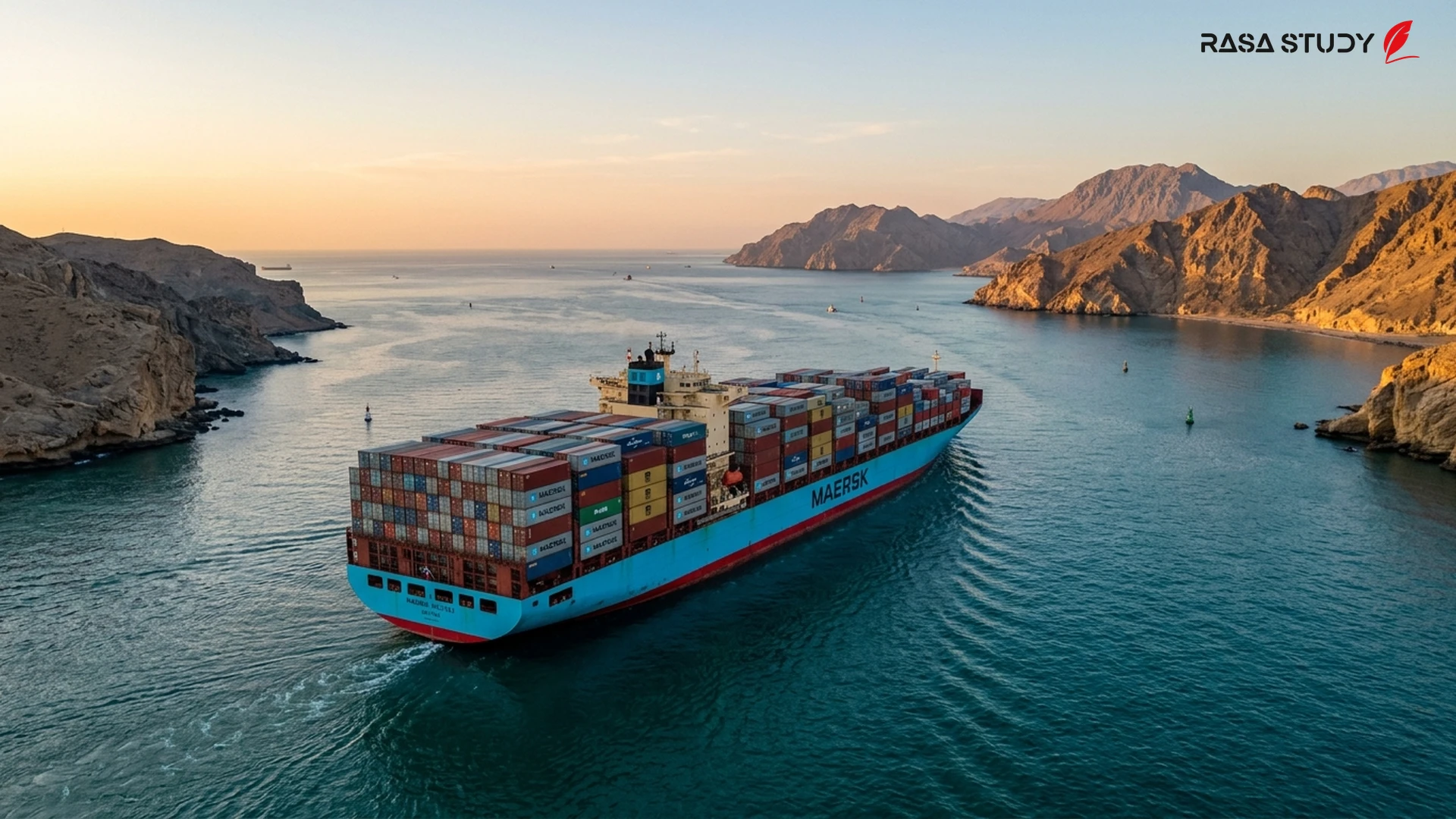
One of the most sensitive clauses of this agreement is the management of the Strait of Hormuz. The Iranian Foreign Minister had previously emphasized that sovereignty over this strategic waterway belongs to Iran and Oman, but Tehran is committed to ensuring the safe passage of ships and the complete lifting of the naval blockade [1.4.9]. In today's talks with regional foreign ministers, the importance of returning maritime trade to normal status and the role of this agreement in reducing global energy prices were emphasized. Additionally, in a call with his Japanese counterpart, Toshimitsu Motegi, Araghchi expressed hope that the implementation of this agreement would open a new chapter of economic cooperation and investment between Tehran and Tokyo [1.4.7].
Challenges Ahead: Tension in Lebanon and Final Signing
Despite diplomatic progress, Araghchi warned that the continuation of Zionist regime aggressions against Lebanon could face the peace process with serious risk [1]. He emphasized the need for an immediate halt to destabilizing attacks on the northern front. According to the scheduled plans, Iran and the United States, along with other mediating parties, are set to gather in Switzerland on June 19 (four days from now) for the official signing of this memorandum [3]. This meeting could be a turning point in Middle East diplomacy and the end of one of the most critical periods of tension in the region.
Seyed Abbas Araghchi, Iran's Foreign Minister, speaking with regional counterparts about the terms of the Islamabad Peace Accord.
linkSources
- Iranian Foreign Minister Holds Phone Consultations — WANA News Agency (2026-06-15)
- Erakçi, Türkiye, Irak ve Mısır dışişleri bakanlarıyla İslamabad Mutabakatı'nı görüştü — Mehr News Agency (2026-06-15)
- Iran Update Special Report, June 14, 2026 — ISW (2026-06-14)
- 2026 Iran war ceasefire - Wikipedia — Wikipedia (2026-04-06)