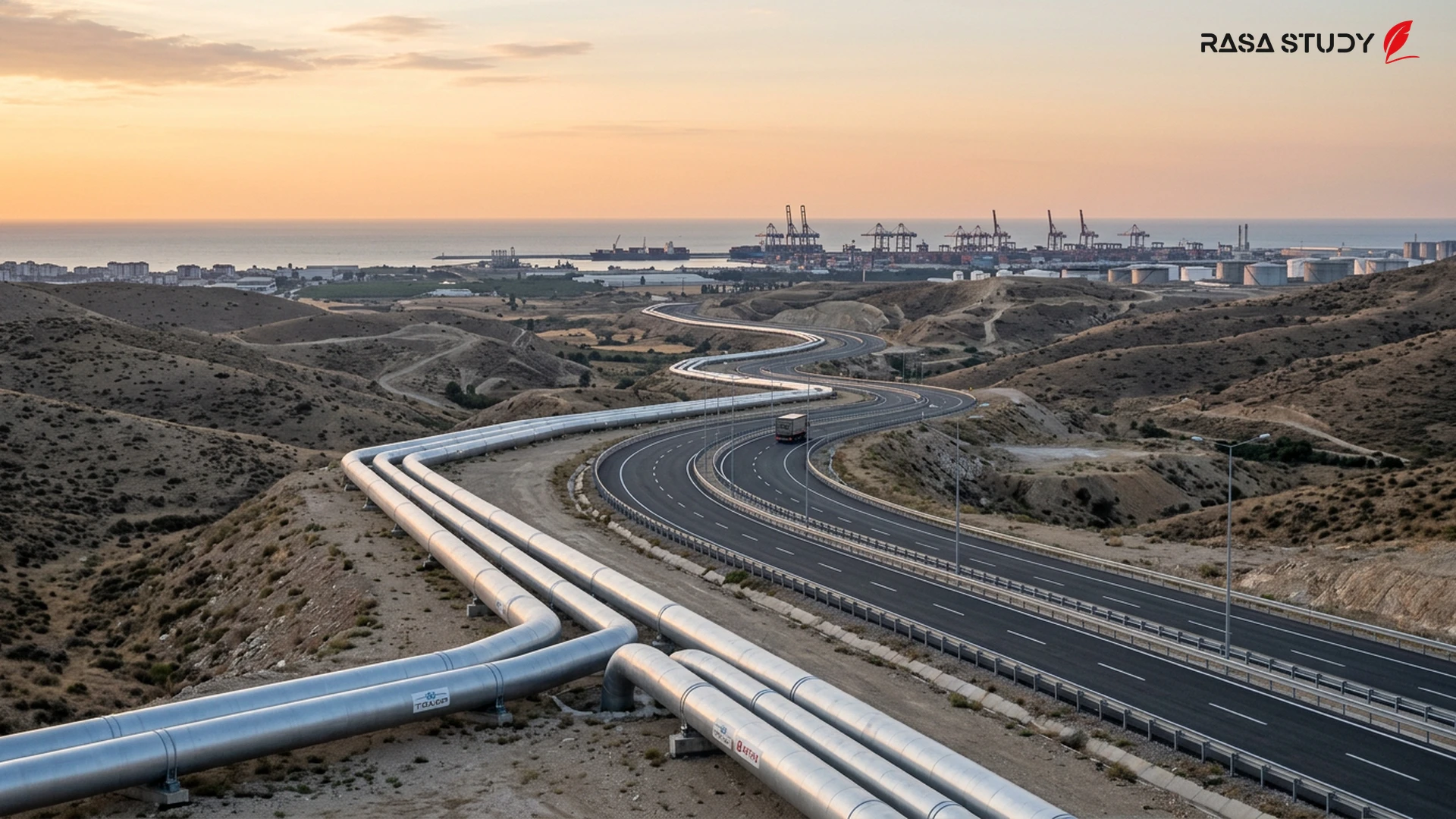
Danske Bank, in its latest analytical report, significantly raised its exchange rate forecasts for the Turkish Lira. The report was published as the Dollar hit a new historical record in the Istanbul market.
Details of Danske Bank's New Lira Forecast On July 17, 2026, Danske Bank, one of the most prestigious financial institutions in Northern Europe, released a new report on the outlook for emerging market currencies. According to the report, the bank's analysts believe that pressure on the Turkish Lira (TL) will continue in the coming months. Based on the published data, Danske Bank predicts that the Dollar-to-Lira rate will reach the 47.80 level within the next month [1]. However, the concerning point for financial markets is the bank's 12-month forecast, which estimates the price of each US Dollar at 55.50 Lira [2].
In addition to the Dollar, the bank has also revised its price targets for the Euro and British Pound Sterling upward. Accordingly, Euro/Lira is expected to reach 55.00 in the short term and 62.20 Lira in a one-year period. Furthermore, for the British Pound, a one-year target of 71.45 Lira has been set, indicating the continued downward trend of the Turkish national currency against a basket of major global currencies [3].
Dollar Breaks Records in the Istanbul Market The publication of this report occurred exactly when the Turkish currency market was witnessing intense fluctuations. In the morning trading on July 17, 2026, the Dollar/Lira rate set a new historical record by crossing the 47.17 level [3]. This price jump caused investors' attention to once again be drawn to the reports of international financial institutions. Market analysts believe that this upward movement is driven by persistent inflationary pressures and high energy costs affecting the Turkish economy [1].
Economic Factors and Structural Pressures The Turkish economy faced numerous challenges in the first half of 2026. The annual inflation rate (CPI) was reported at approximately 32.6%, and regional tensions, particularly in the Strait of Hormuz, have increased energy import costs for the country [4]. Although the government's economic team, led by Mehmet Şimşek, is pursuing a policy of "managed depreciation" to maintain export competitiveness, Danske Bank believes that the inflation gap between Turkey and the United States will remain the main factor weakening the Lira.
On the other hand, Danske Bank itself is experiencing successful days. In its second-quarter performance report released today, the bank announced that its net profit reached 6.2 billion kroner, exceeding forecasts [4]. This financial stability in European banks doubles the weight of their analyses in emerging markets like Turkey.
Future Outlook and Advice for Investors Given the new forecasts, it appears that the Turkish Lira remains on a steady downward path. Danske Bank noted that although the Central Bank of the Republic of Turkey's foreign exchange reserves have improved, heavy dependence on energy imports and geopolitical uncertainties prevent a structural strengthening of the Lira [2]. Investors should note that the 55 Lira price target for the Dollar represents a potential devaluation of approximately 17% for the Lira over the next year.
Danske Bank predicts the Turkish Lira will fall to the 55.50 level against the US Dollar by 2027.
linkSources
- Danske Bank'tan TL için yeni kur tahmini — Forbes Türkiye (2026-07-17)
- TL'de kayıp beklentisi sürüyor: Danske Bank tahminlerini revize etti — Paratic (2026-07-17)
- Danske Bank'tan dolar/TL için yeni tahmin — CNBC-e (2026-07-17)
- Danske Bank raises full-year outlook after quarterly profit beats forecast — TradingView / Reuters (2026-07-17)