The European Union, expressing deep concern over the escalation of military conflicts between the United States and Iran, announced that recent attacks have brought the diplomatic process to end the war to a deadlock.
Escalation of Tensions and Brussels' Sharp Reaction Following a new wave of military conflicts in the Persian Gulf region, Kaja Kallas, the European Union's Foreign Policy Chief, warned on Wednesday, July 8, 2026, that the exchange of fire between American and Iranian forces has severely undermined diplomatic efforts to implement the peace memorandum [1]. In an official statement, Kallas called the missile and drone attacks on military bases in Bahrain and Kuwait "unacceptable" and emphasized that these actions violate previous commitments to reopen the Strait of Hormuz [2].
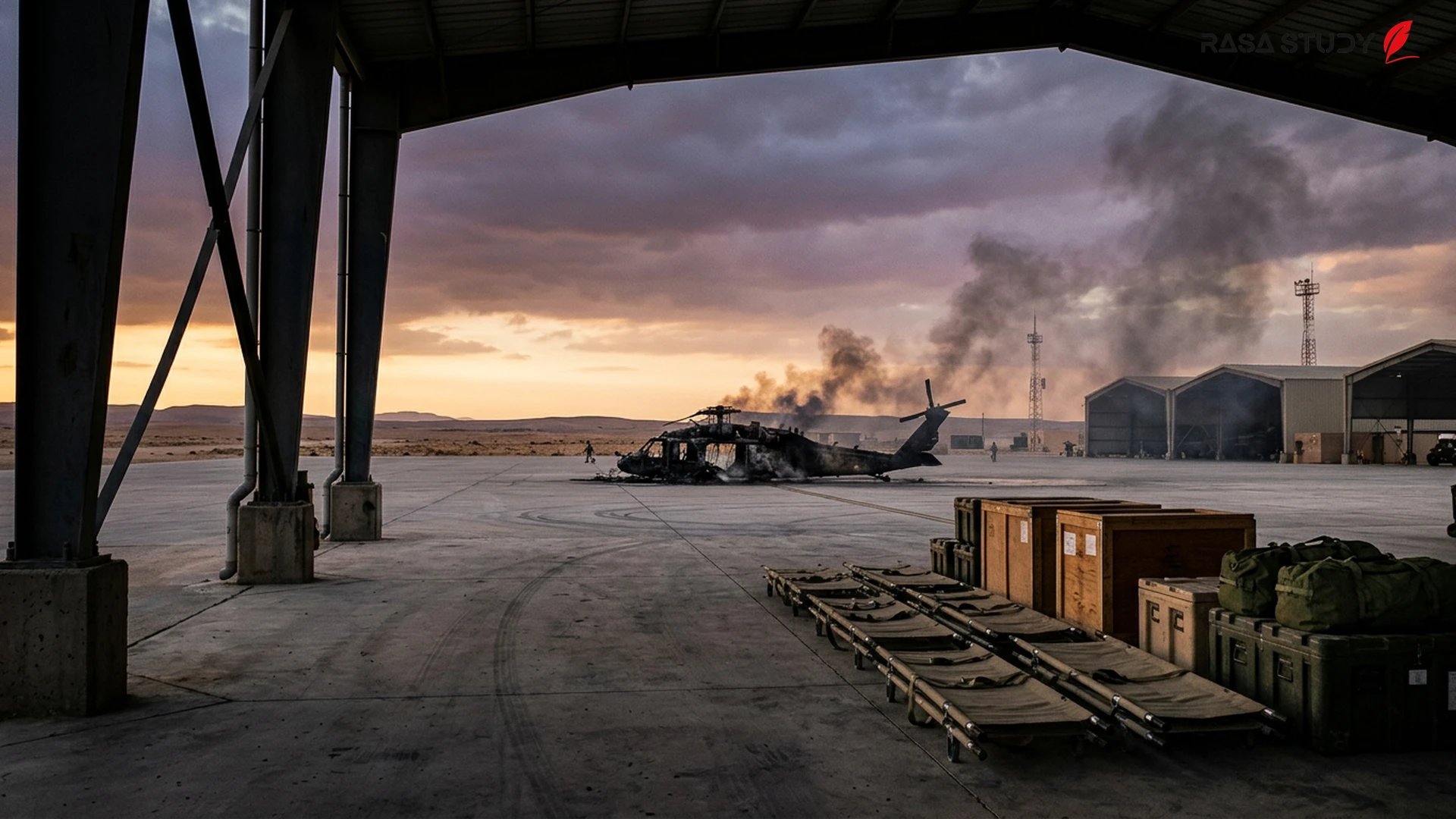
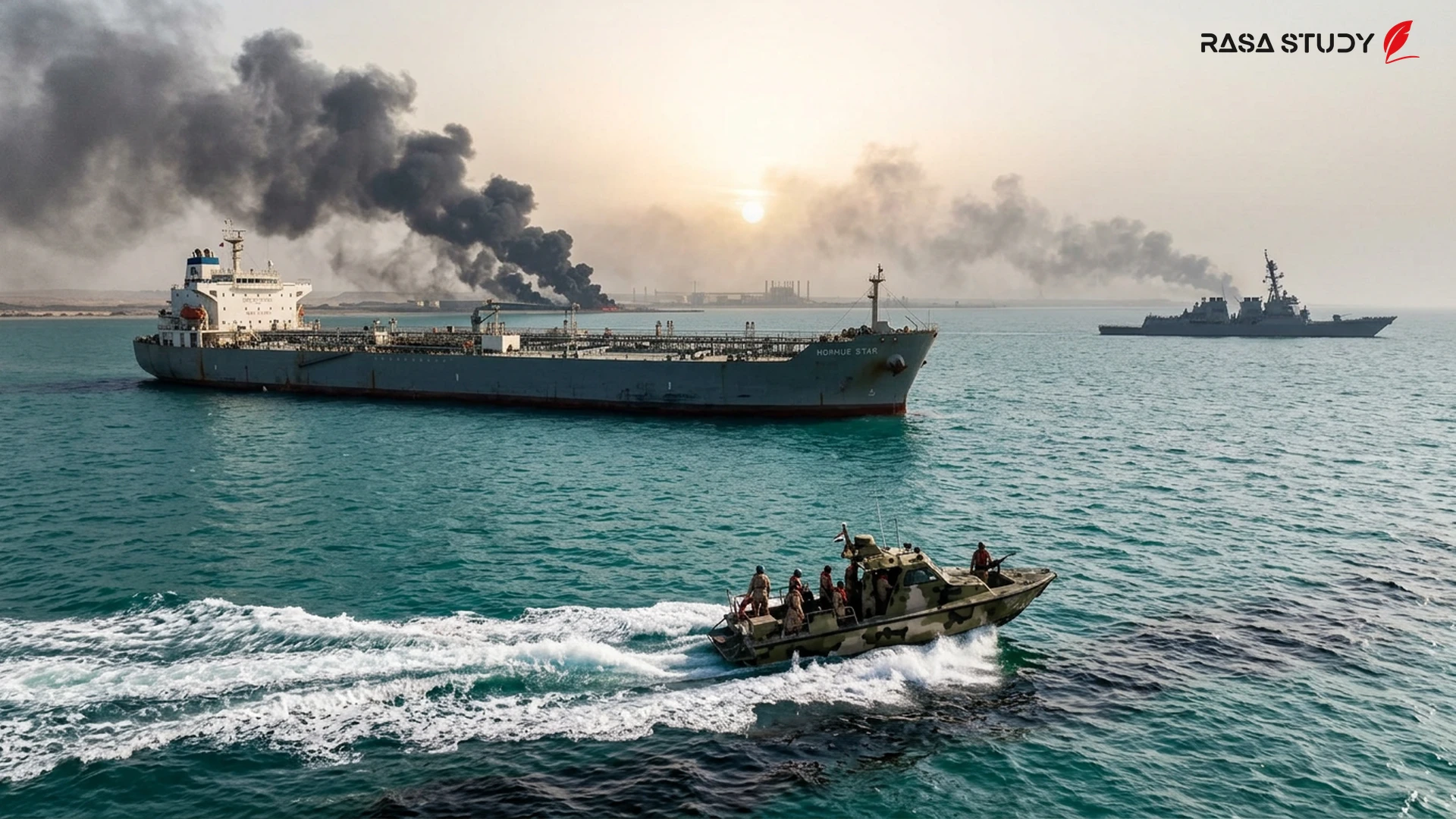
The Battlefield; From the Strait of Hormuz to Regional Bases Field reports indicate that the US Central Command (CENTCOM), in response to attacks on commercial tankers, targeted more than 80 objectives on Iranian soil, including air defense systems and IRGC speedboats [3]. In response, Iran targeted 85 military sites belonging to the US in Bahrain and Kuwait, including the headquarters of the US Navy's Fifth Fleet at Port Salman [4]. This level of conflict, occurring amidst the funeral ceremonies for Iran's late leader, has completely destroyed hopes for de-escalation during this period [5].
June Memorandum on the Verge of Collapse The diplomatic situation became more critical when US President Donald Trump, on the sidelines of the NATO summit in Ankara, declared that he considers the June 17 peace memorandum to be "over" [3]. Calling the current negotiations a "waste of time," Trump raised serious doubts about the continuation of the peace process. However, the European Union is still attempting to find a way to save the agreement and maintain freedom of navigation by holding an emergency meeting with the foreign ministers of the Persian Gulf countries next Monday [1][2].
Global Consequences and Energy Crisis The return of direct conflict to the Strait of Hormuz immediately caused a spike in oil prices in global markets. Iran, which had previously committed to reopening this strategic waterway, now faces the re-imposition of oil sanctions by Washington [4]. Experts warn that if mediation efforts by the European Union and countries such as Pakistan and Qatar do not yield results in the coming days, the region may witness a return to full-scale war, threatening the energy security of the entire world [3][5].
Military tensions in the Strait of Hormuz have once again posed a serious challenge to the European Union's diplomatic efforts.
linkSources
- EU's Kallas says US, Iran strikes 'further complicate' talks to end war — DAWN (2026-07-08)
- EU says renewed US-Iran tensions further complicate talks to end war — Anadolu Agency (2026-07-08)
- Trump declares ceasefire agreement 'over' as US-Iran tensions escalate — Modern Diplomacy (2026-07-08)
- US-Iran tensions escalate as Trump declares Memorandum of Understanding 'over' — AzerNews (2026-07-08)
- 2026 Iran war: Background and Timeline — Britannica (2026-07-08)