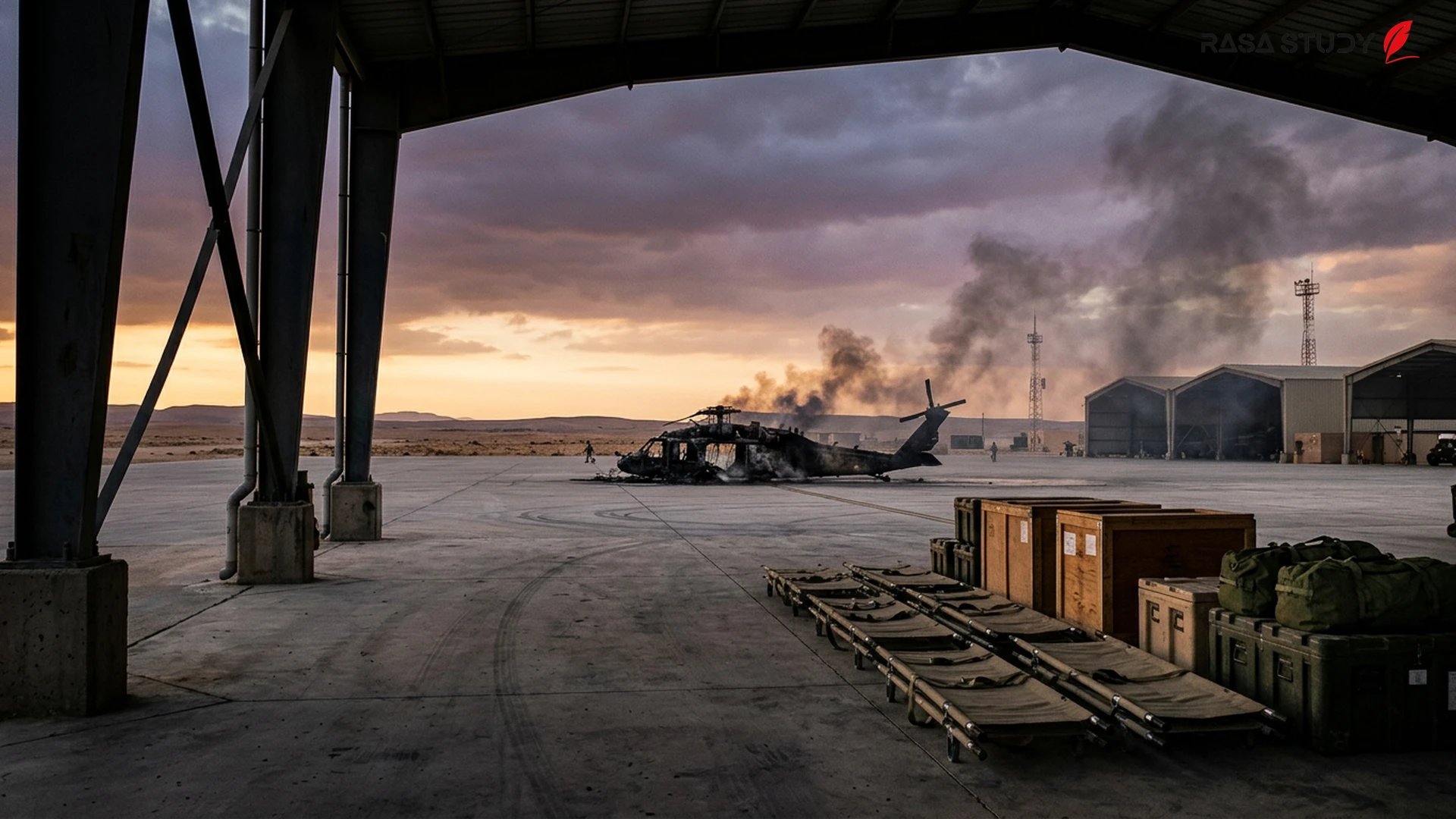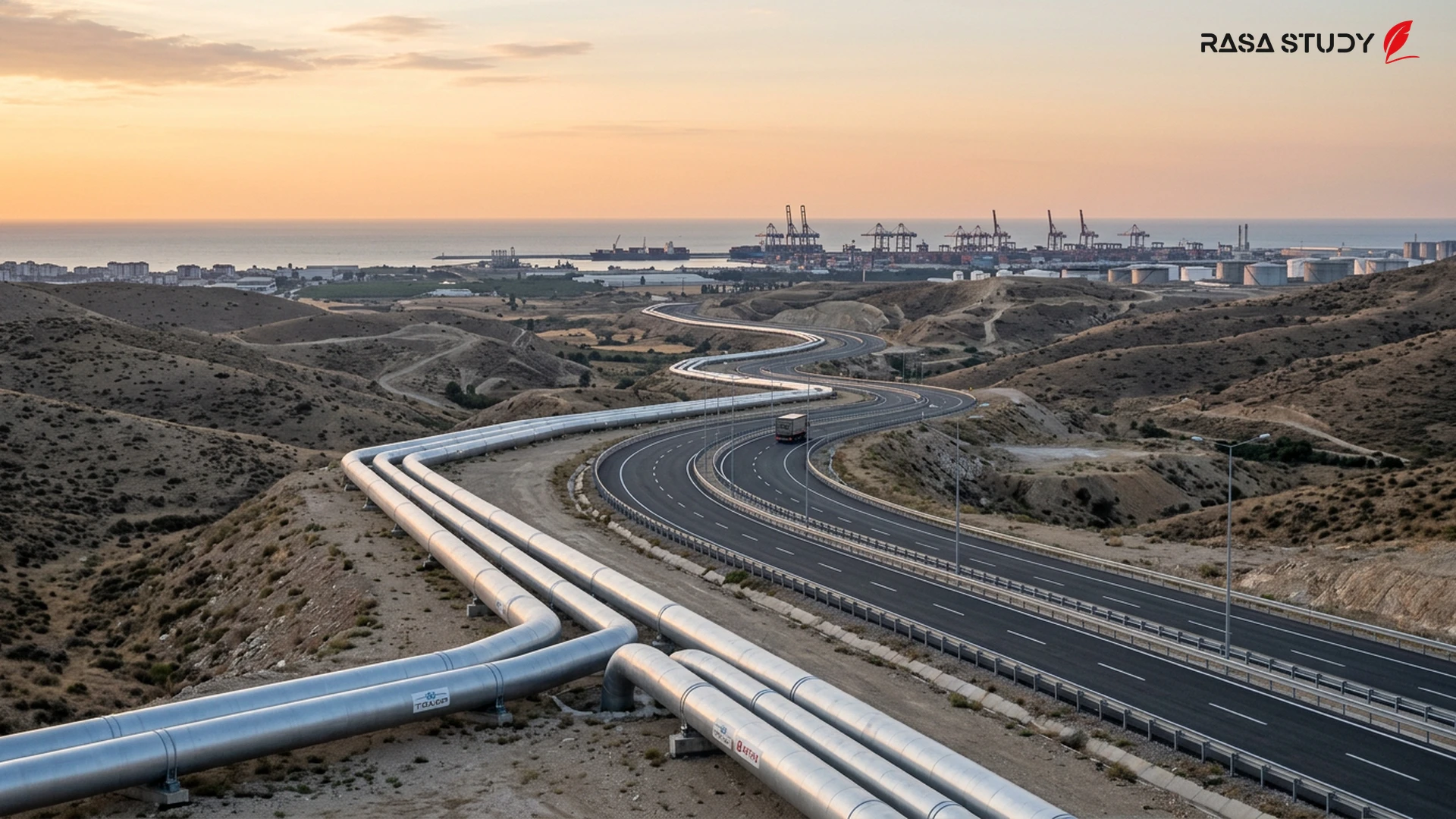
As the crisis and war persist in the region, foreign investors sold $12.3 billion of their assets in Turkish markets, triggering a wave of capital outflow that has challenged regional economic stability.
Wave of Capital Outflow Following Military Tensions
Economic reports published on June 17, 2026, indicate that regional financial markets, particularly Turkey, have faced one of the largest capital flights in recent years due to the direct impact of military conflicts involving Iran. According to official data, foreign investors sold more than $12.3 billion of their assets, including stocks and bonds, during the first five months of 2026 [1]. This massive exit, primarily driven by geopolitical uncertainties and fears of an expanding war, has placed additional pressure on regional national currencies.
Impact of the Iran War on Stock and Bond Markets
Statistical details show that out of the total $12.3 billion in capital outflow, approximately $9.12 billion was related to the bond market and $3.19 billion belonged to the stock market [1]. Analysts believe that the start of military operations in late February 2026 was a turning point that led institutional investors to overestimate the risk of being in the Middle East and move toward safer markets in the West. Meanwhile, regional central banks were forced into heavy currency interventions to prevent the collapse of national currency values; it is reported that the Central Bank of Turkey alone spent $12 billion to support the Lira against the war-induced shock [2].
A Glimmer of Hope with the Peace Agreement Announcement
Despite months of unrest, recent news regarding a framework agreement to end the conflicts has breathed new life into the markets. The announcement of an agreement between the United States and Iran to reopen the Strait of Hormuz and reduce tensions caused regional stock exchanges, including Borsa Istanbul, to witness an upward rally, returning to the 14,500 level [1][3]. However, experts warn that the full return of the $12 billion in exited capital requires lasting stability and the final signing of the peace treaty, which is expected to take place in Switzerland in the coming days.
Challenges Ahead for Re-attracting Capital
Although global markets have reacted positively to the peace news and oil prices have moved away from their peaks, the economic effects of the 2026 war remain. Inflation caused by the energy shock and high borrowing costs is a legacy that regional governments must grapple with [3]. Foreign investors are now looking at the region with more caution, waiting to see if current agreements will lead to long-term security. Restoring confidence in emerging markets after such a heavy exit will be a time-consuming process dependent on political transparency and military stability on Iran's borders.
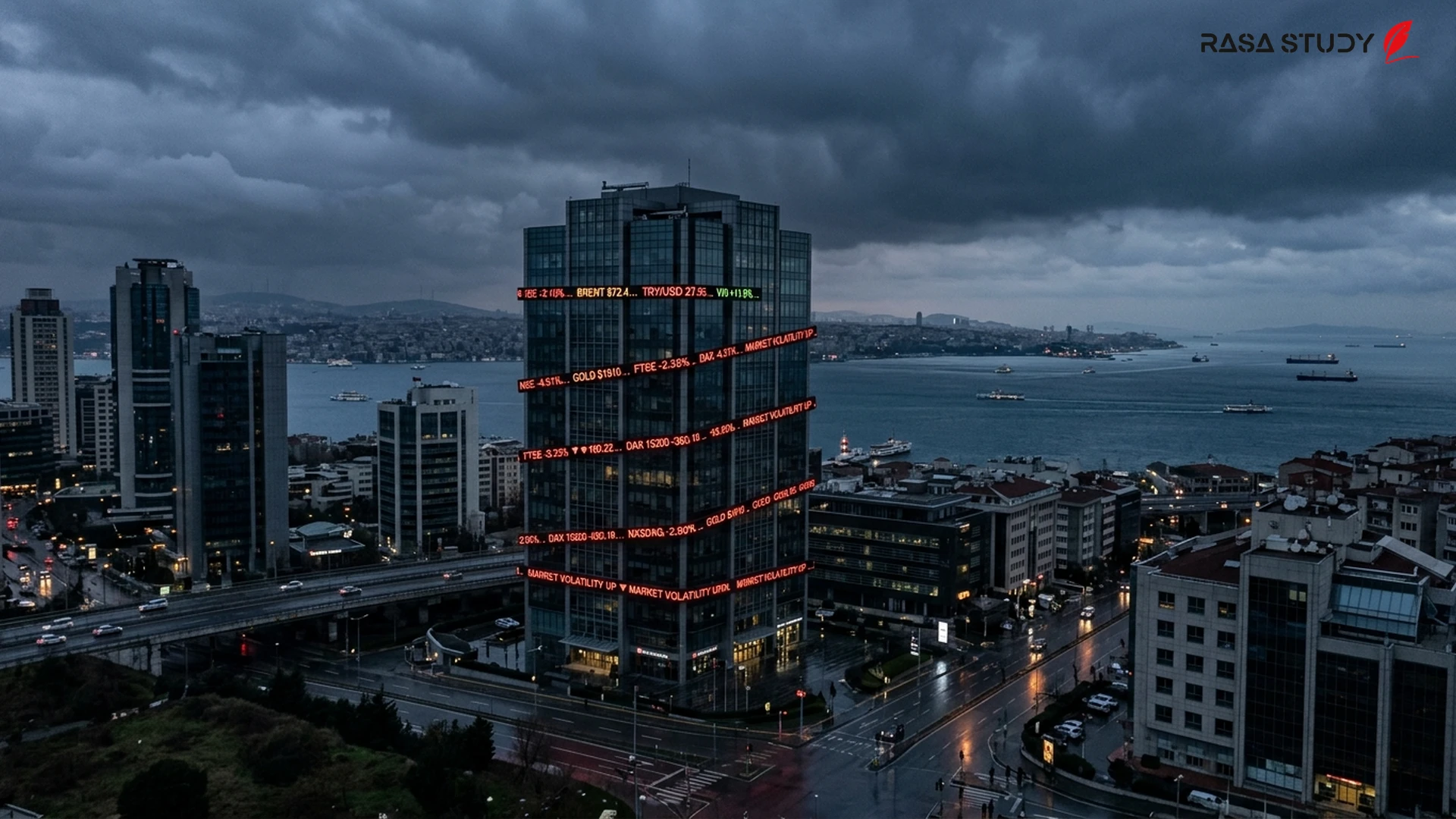
Severe fluctuations in regional financial markets coinciding with the $12 billion exit of foreign investors.
linkSources
- 12 milyar dolarlık satış yapıp gittiler — Nefes Gazetesi (2026-06-17)
- Bloomberg: Türkiye, TL'yi savaş kaynaklı dalgalanmadan korumak için 12 milyar dolar harcadı — T24 / Bloomberg (2026-03-06)
- Stock markets soar, oil falls as US and Iran announce framework to end war — Al Jazeera (2026-06-15)