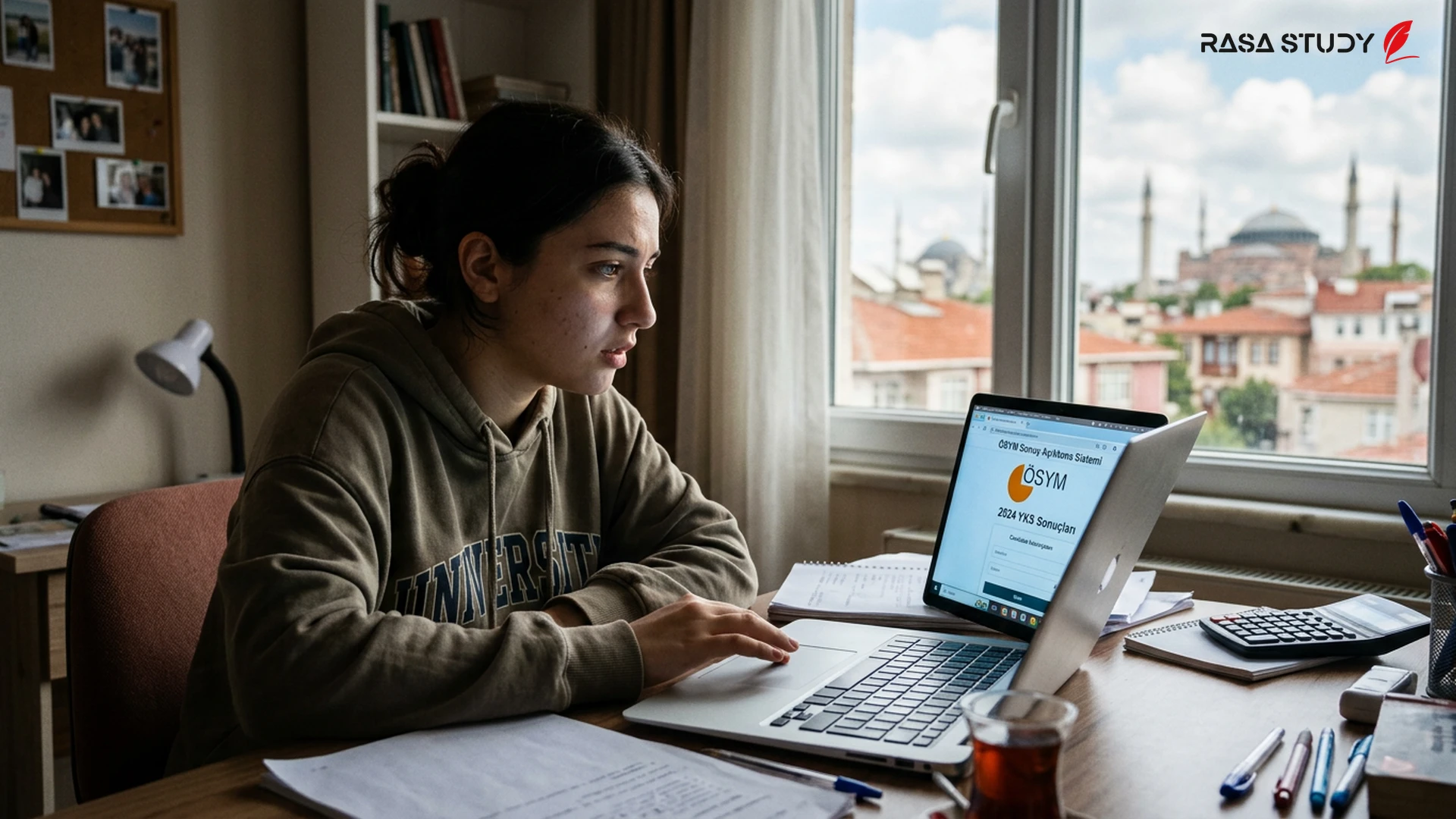
With the start of the 2026 academic year, Turkey's education system is undergoing a fundamental shift. According to new reports, university education will no longer be confined to classroom walls, as hybrid and practical models replace traditional methods.
Beyond Classroom Walls: The 2026 Vision
On July 14, 2026, reports published by Turkish educational and commercial institutions indicated a strategic pivot in the country's higher education system. According to a statement reflected in the media outlet “Turkey Business World News” (Türkiye İş Dünyası Haberleri), the era of purely theoretical education in closed classroom environments has come to an end [2]. This new approach is designed to better align graduates with the actual needs of the labor market.
Strategic University-Industry Cooperation
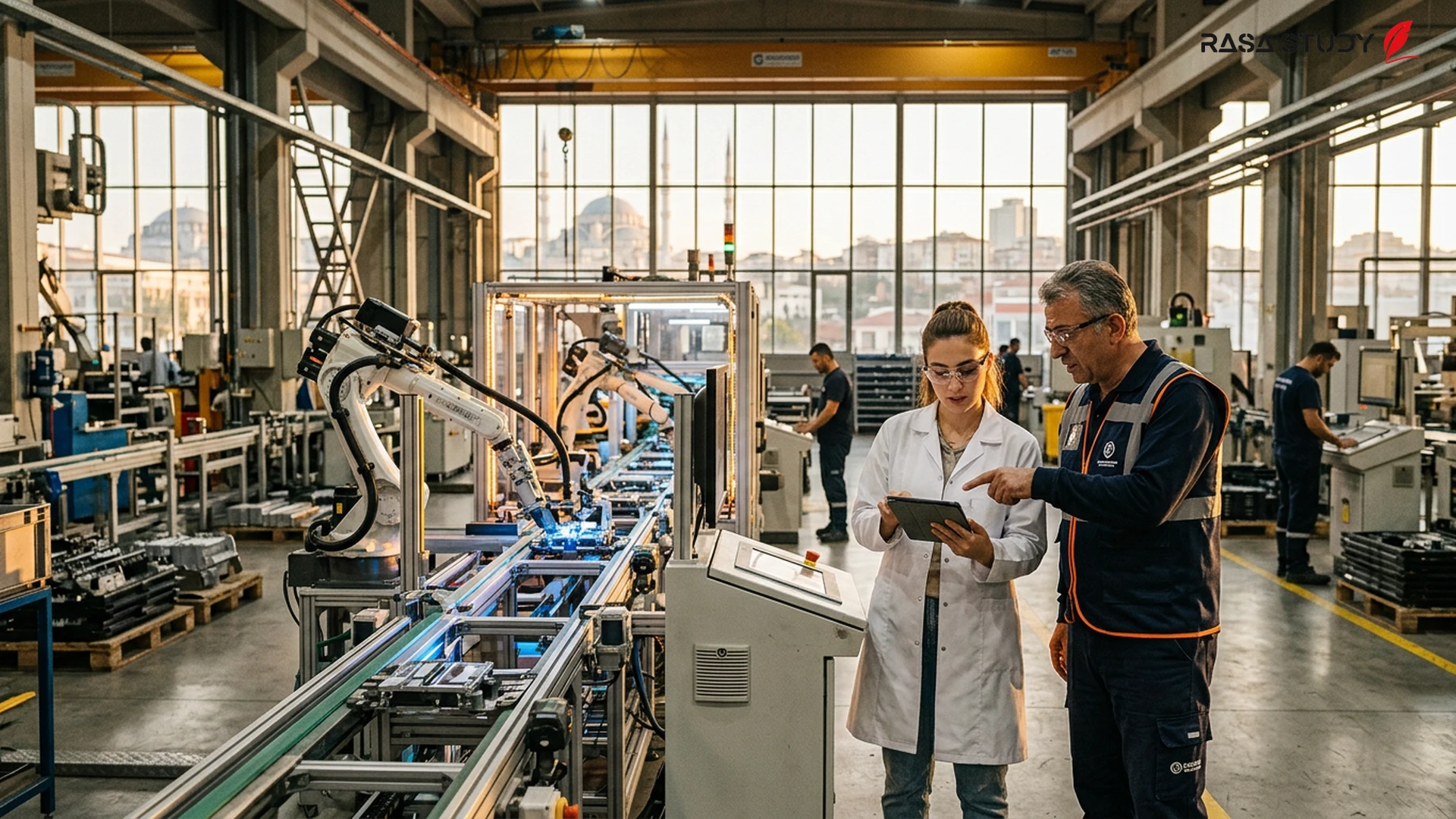
The Council of Higher Education (YÖK) has emphasized in its new directives that at least 30% of undergraduate course units must be completed practically in industrial or professional environments [1]. This move not only enhances students' technical skills but also allows companies to identify and recruit their future talent firsthand. Reports from “Turkey Business World News” indicate that the private sector has declared its full readiness to accept students through advanced internship programs [2].
The Role of New Technologies in Education
One of the main pillars of this transformation is the use of Virtual Reality (VR) and Augmented Reality (AR) to simulate complex work environments. Engineering and medical students can now gain experience in advanced virtual laboratories before entering real-world settings [3]. These technologies have pushed the physical boundaries of the classroom, enabling remote learning with high practical quality.
Impact on Graduates' Career Future
Experts believe that this structural change will significantly reduce the unemployment rate among young graduates by the end of 2027. By removing traditional classroom restrictions, students add not only knowledge but also “lived experience” in the workplace to their resumes [1]. This educational model transforms the university from an isolated environment into a direct bridge to the real world [3].
The new model of higher education in Turkey emphasizes practical experience in real work environments.
linkSources
- Yükseköğretimde Yeni Dönem: Sınıfların Ötesinde Eğitim — Yükseköğretim Kurulu (YÖK) (2026-07-10)
- Türkiye İş Dünyası Haberleri: Üniversite-Sanayi İşbirliği Raporu — Türkiye İş Dünyası Haberleri (2026-07-12)
- Future of Higher Education in Turkey: 2026 Trends — Anadolu Ajansı (2026-07-13)