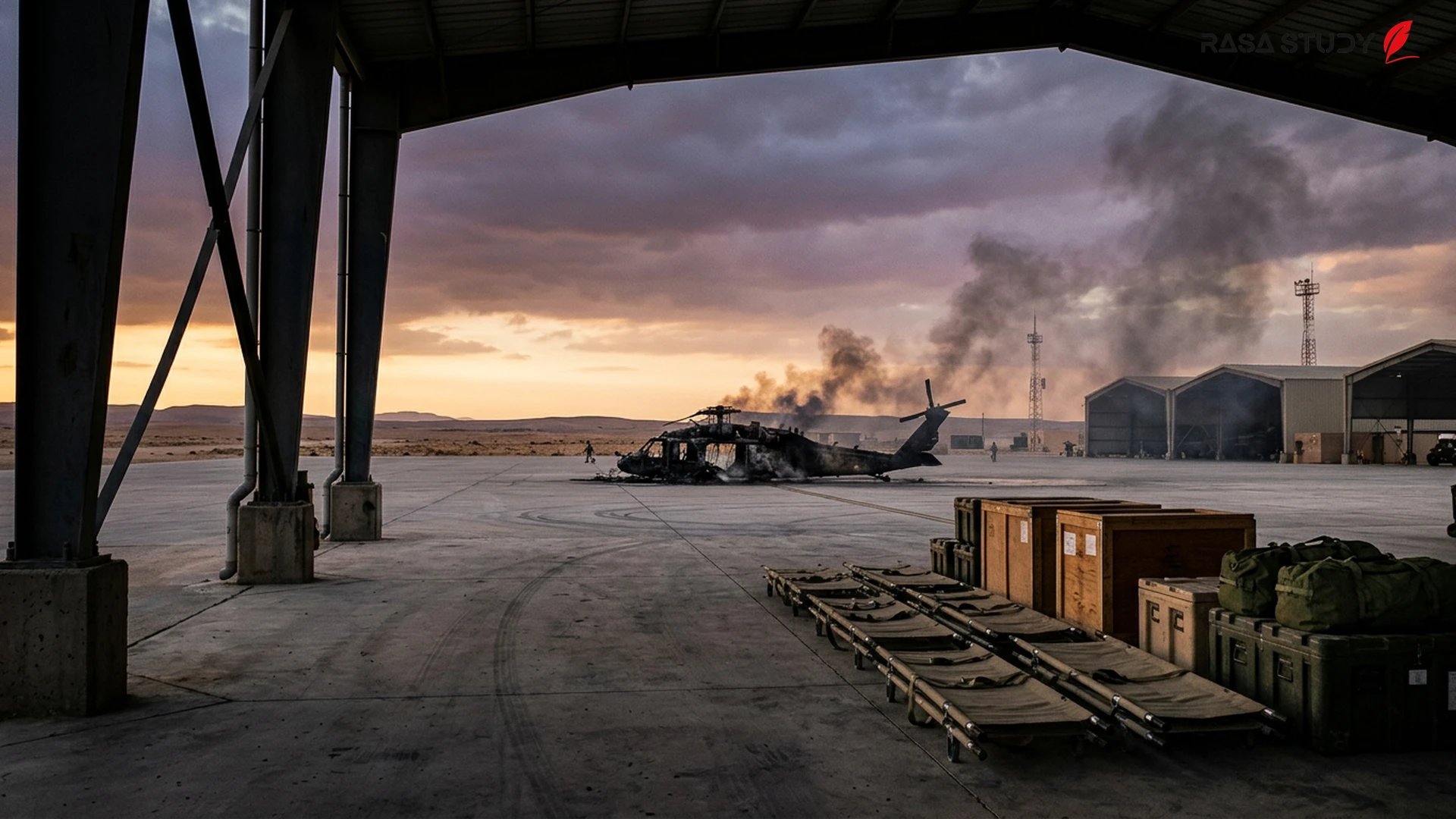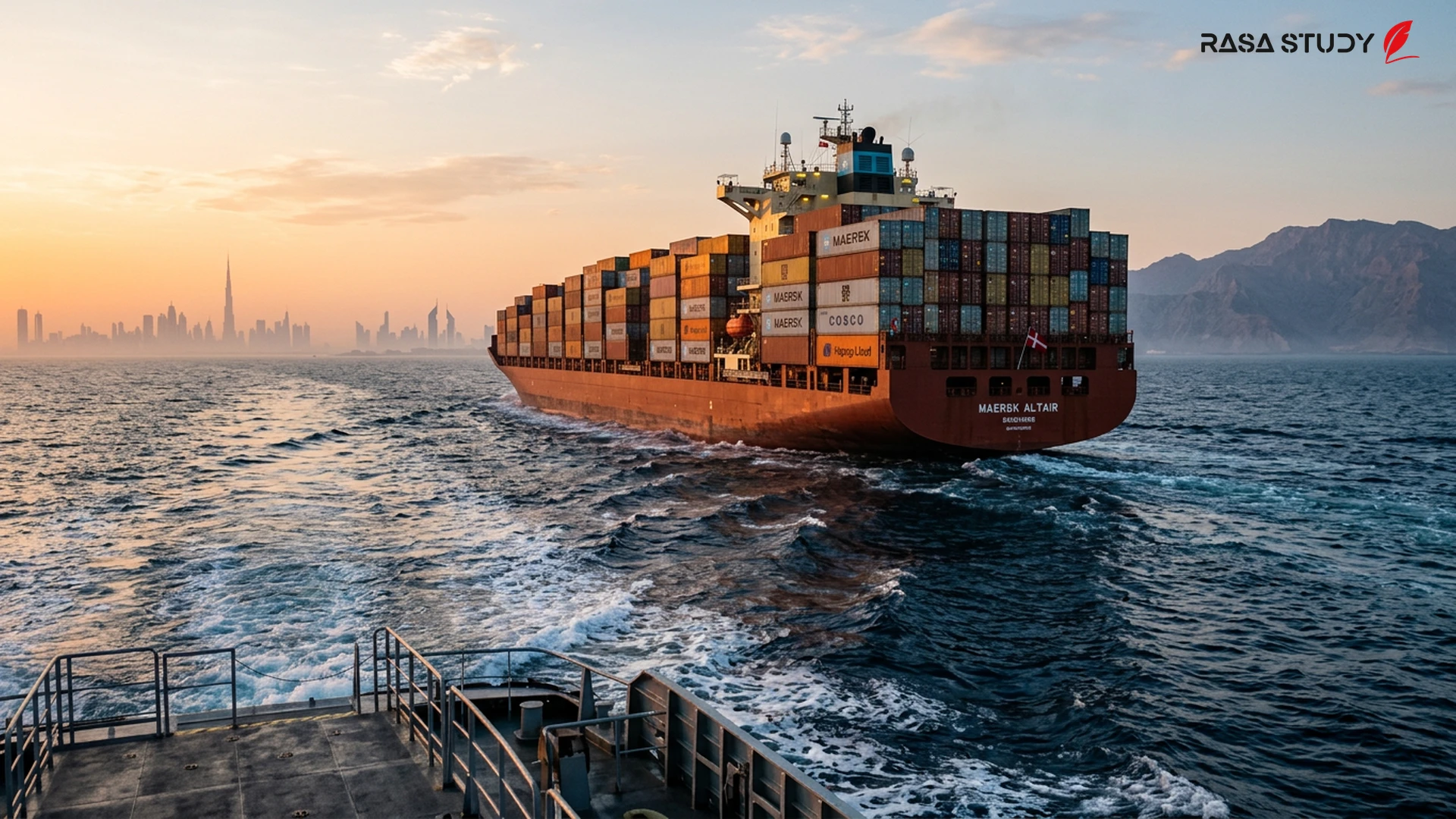
After months of military conflict and the signing of the historic Islamabad Memorandum between Tehran and Washington in June 2026, the Persian Gulf countries now face the vital question of what the new regional order with Iran's presence will look like.
The New Geopolitical Reality After the 2026 War Today, July 2, 2026, the Middle East breathes a sigh of relief as the June 17 agreement between Donald Trump and Masoud Pezeshkian has ended direct military hostilities. However, for the Gulf Cooperation Council (GCC) countries, this peace does not necessarily mean a return to the pre-war era. Recent analyses show that Arab capitals have concluded that Iran is an unremovable geopolitical reality [1].
During the short but devastating war in early 2026, regional countries realized that neither a total collapse of the Iranian system nor regime change would guarantee lasting security; the resulting power vacuum could plunge the entire region into chaos. Consequently, the Gulf states are now looking for an Iran that is "predictable," even if it remains a competitor [4].
The Rift in Riyadh and Abu Dhabi Strategies One serious consequence of recent developments is the emerging difference in perspective between Saudi Arabia and the United Arab Emirates. Throughout the recent crisis, Riyadh adopted a more diplomatic approach, even refusing to cooperate with the United States in "Project Freedom"—the forced reopening of the Strait of Hormuz—to remain immune from Iranian retaliatory attacks [2]. In contrast, the UAE, by strengthening its military and intelligence ties with Israel, seeks to create a technological protective umbrella against Iranian drones and missiles [4].
The recent phone call between Abbas Araghchi and Faisal bin Farhan on June 24, 2026, indicates Riyadh's desire to maintain direct communication channels with Tehran, independent of pressure from Washington [3]. Saudi Arabia seeks an Iran that does not interfere in the internal affairs of Yemen and Iraq, while the UAE is more focused on maritime security and stability in the Strait of Hormuz.
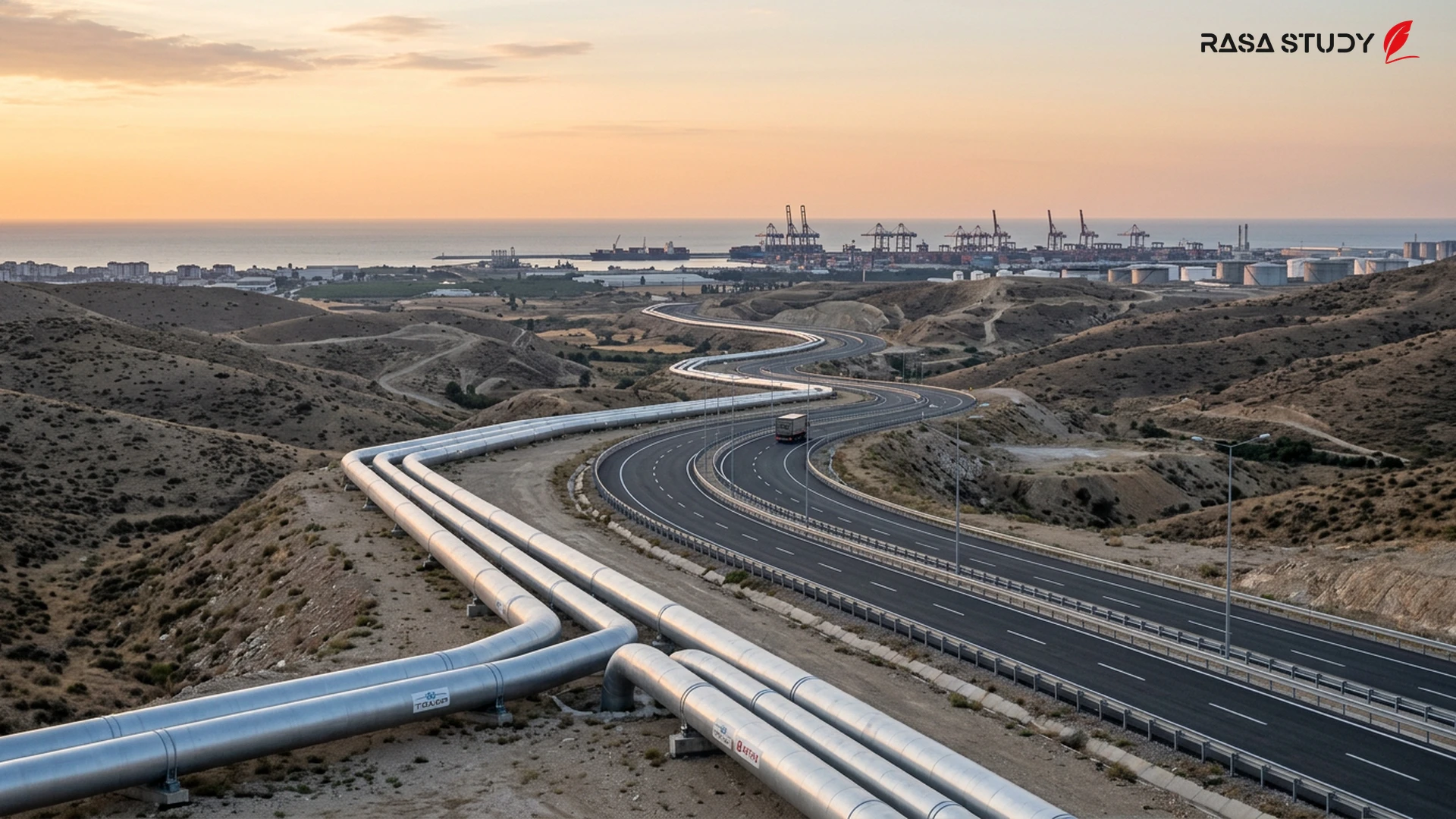
Economy: A Tool for Mitigating Tension A new idea emerging in regional think tanks is the use of a reverse "Violence Trap." Experts believe the only way to curb aggressive tendencies in the region is to create economic interdependence [5]. Projects such as the revival of the Hejaz Railway connecting Turkey to Saudi Arabia and the expansion of trade between Oman and Iran are seen as steps in this direction.
The Gulf states want to integrate Iran into a regional economic network so that the cost of any military conflict for Tehran increases significantly. This approach defines security not as a commodity imported from the West, but as a byproduct of stable trade relations [1][5].
Challenges of the Islamabad Memorandum and an Uncertain Future Despite public support for the June 2026 memorandum, deep concerns remain among America's Arab allies. This agreement, mediated by Pakistan, has not addressed vital issues such as Iran's missile program and the activities of proxy groups [2].
Many in Riyadh and Kuwait fear that lifting sanctions and unfreezing Iranian assets will lead to a re-strengthening of Tehran's regional influence. The Gulf countries want an Iran that respects the national sovereignty of its neighbors not just in words but in practice, and does not hold the Strait of Hormuz hostage as a political pressure tool [1][3]. The coming months and the upcoming 60-day negotiations will determine the true mettle of this cold peace.
Diplomacy in the Persian Gulf after the 2026 war; an effort to transition from confrontation to economic cooperation.
linkSources
- Körfez Nasıl Bir İran İstiyor? — Fokus+ (2026-07-01)
- A bad peace: the Arab Gulf states and the US–Iran memorandum of understanding — IISS (2026-06-26)
- Iranian, Saudi foreign ministers discuss peace talks progress — IRNA (2026-06-24)
- Blowback: How the Iran war may change the world — Brookings Institution (2026-07-01)
- Körfez'in neden İran'la ekonomik iş birliğine ihtiyacı var? — Karar (2026-07-01)