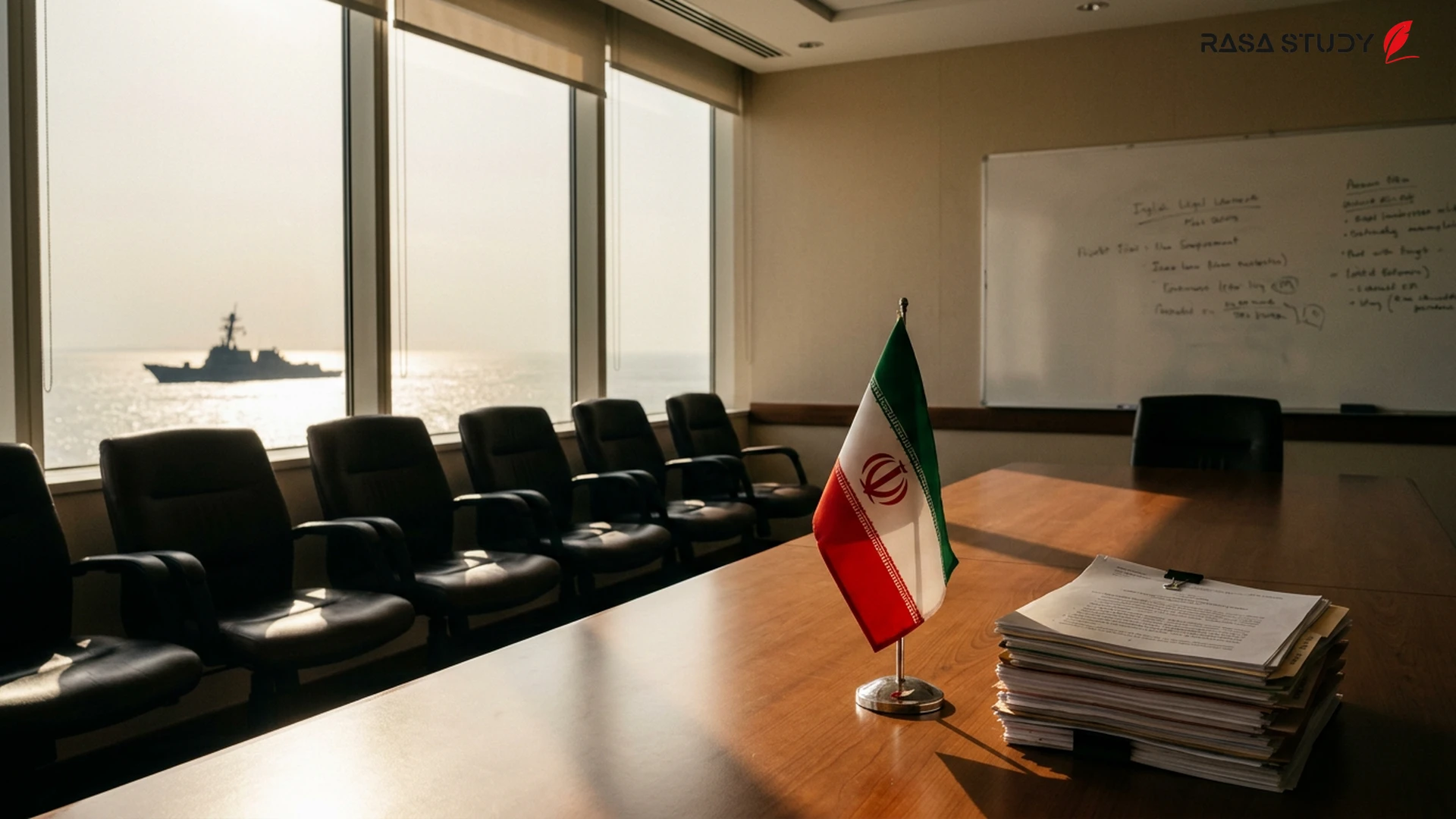
As the Middle East enters a new phase of post-war diplomacy in July 2026, Gürsel Tokmakoğlu, in a comprehensive analysis for Independent Turkish, dissects Iran’s political behavior and the future of regional stability.
On July 1, 2026, the Middle East stands on the brink of a major geopolitical transformation. After months of military conflict that began with Operation 'Epic Rage' in February 2026, signs of a fragile peace have now emerged. Gürsel Tokmakoğlu, former head of the Turkish Air Force Intelligence and a prominent analyst, examined in his recent note for Independent Turkish why Iran chooses peace at critical junctures not as a final goal, but as a tool for bargaining and rebuilding its strength [1].
Iran's Strategy: From the Battlefield to the Negotiation Table In his analysis, Tokmakoğlu points out that Iran constantly fluctuates between the 'ideology of resistance' and 'political realism.' Following the intense conflicts of the first half of 2026, the signing of a peace memorandum in June between Tehran and Washington, mediated by Qatar and Pakistan, indicates a tactical shift in the Islamic Republic's calculations [4]. According to the analyst, by accepting a halt to military operations, Tehran seeks to reduce international pressure and reclaim part of its frozen assets to prevent a total economic collapse.
Internal Crisis; Livelihood Protests in the Shadow of Inflation Field realities inside Iran confirm Tokmakoğlu’s analysis. Reports published on June 30, 2026, show that various Iranian cities, including Kermanshah, Sanandaj, and Isfahan, witnessed widespread protests by retirees and workers due to a livelihood crisis and inflation exceeding 60 percent [2]. These internal discontents have placed additional pressure on the power structure, forcing the political elite to show more flexibility in the international arena. Tokmakoğlu believes that Iran's internal stability is now tied more than ever to the success of diplomatic negotiations.
Turkey's Pivotal Role and the Energy Challenge Meanwhile, Turkey has emerged as a key player and a powerful mediator. While Ankara prepares to host the NATO summit on July 7, 2026, its relations with Iran face complex challenges [1]. The expiration of the 25-year gas contract between the two countries in July 2026 and banking restrictions stemming from the Halkbank case have brought currency payments to Iran to a deadlock [3]. Turkey is attempting to use economic diplomacy to both secure its energy needs and act as a bridge between Iran and the West.
Future Outlook: Peace or a Temporary Ceasefire? Tokmakoğlu’s final analysis suggests that the region is still far from achieving lasting stability. Although the reopening of the Strait of Hormuz and the drop in global oil prices in recent days have brought relief to the markets, fundamental disputes over Iran's nuclear program and regional influence remain [4]. From this analyst's perspective, July 2026 is a major test for diplomacy to determine whether recent agreements will lead to a new order or are merely a short breather to prepare for the next conflicts.
Gürsel Tokmakoğlu believes that internal economic pressures have pushed Iran toward diplomatic flexibility in the summer of 2026.
linkSources
- Gürsel Tokmakoğlu | İran analizi — Independent Türkçe (2026-06-25)
- Iran Protest: Diverse Sectors Take To The Streets Over Economic And Environmental Crises — Eurasia Review (2026-06-30)
- Turkey's expiring gas contract with Iran faces financial hurdle — Forbes (2026-06-29)
- US-Iran peace deal announced with 'permanent' end to military action — Al Arabiya (2026-06-15)


