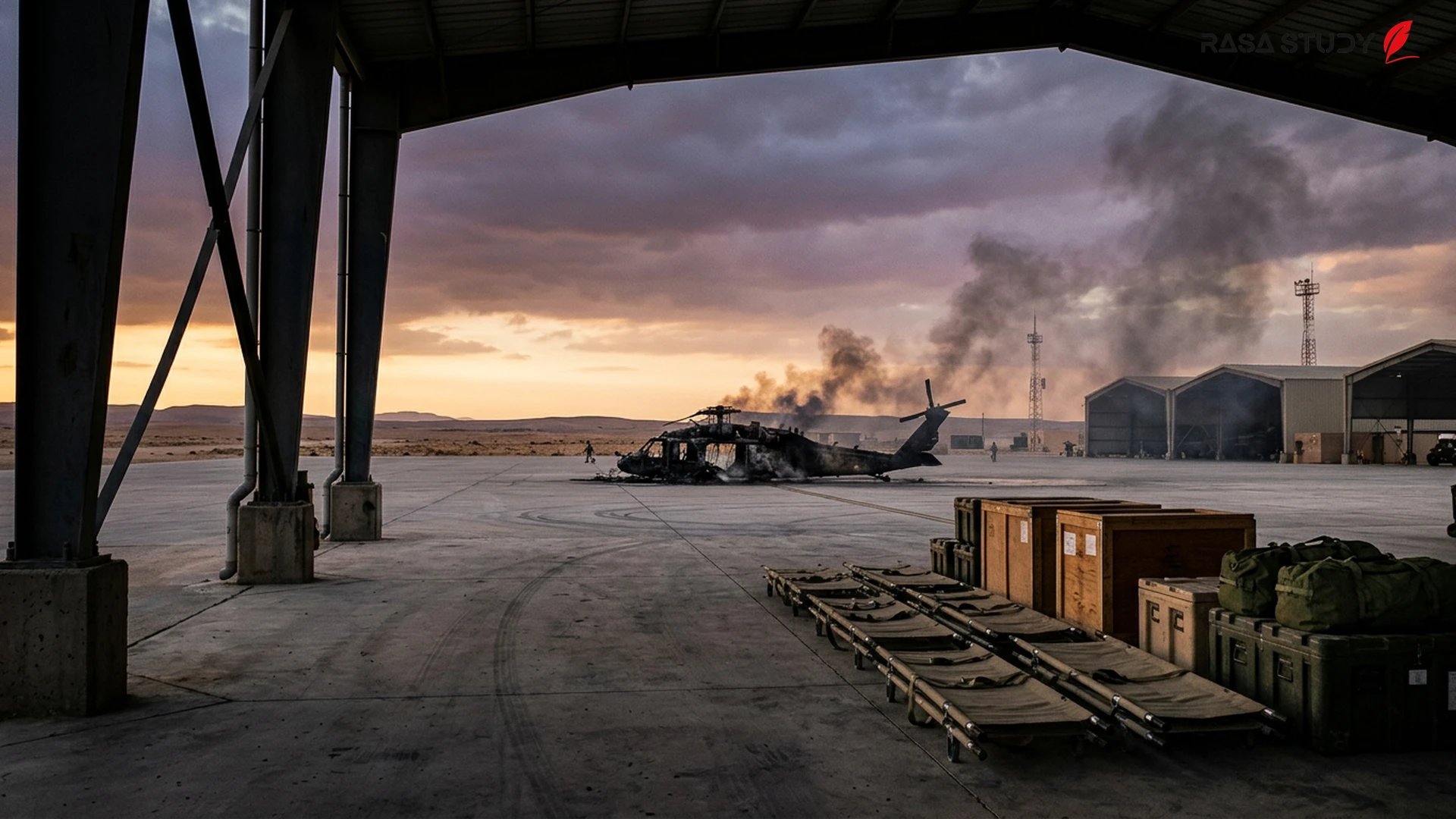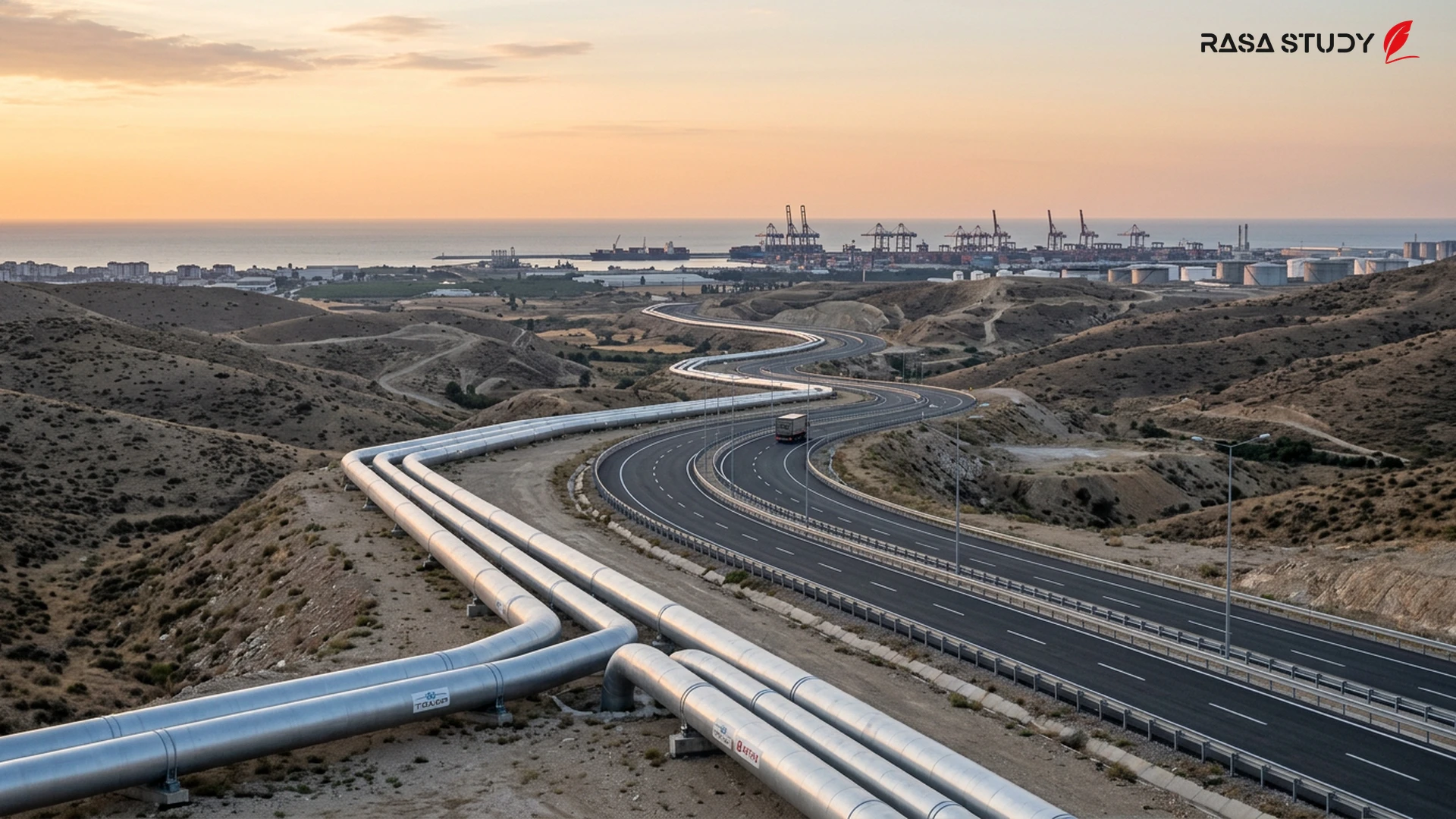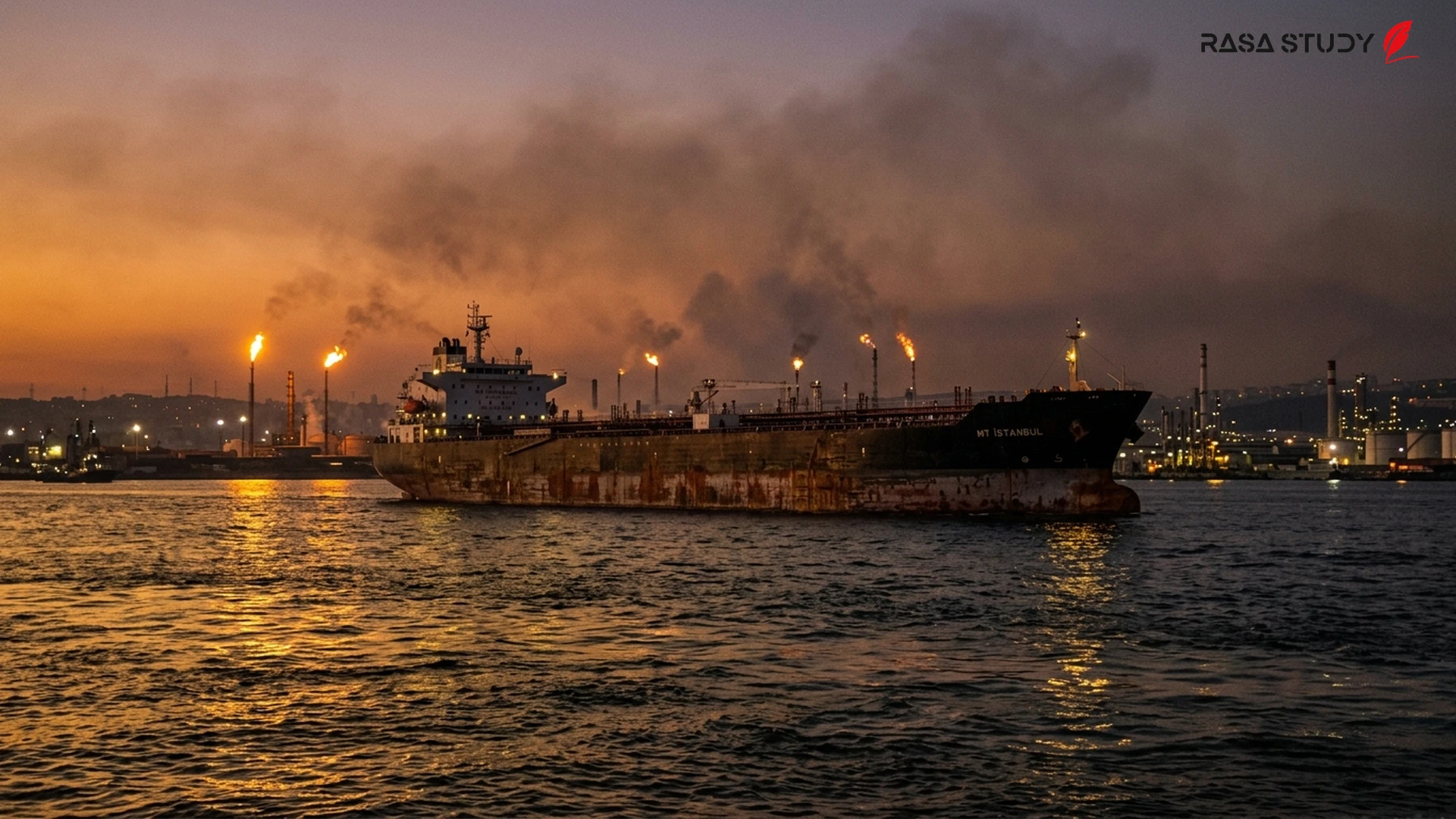
New reports from energy think tanks indicate that the ongoing crisis in the Strait of Hormuz and the surge in fossil fuel prices will impose a heavy financial burden of $14 billion on the Turkish economy by the end of 2026.
Financial Dimensions of the Crisis for Ankara According to a new report by the energy think tank Ember, published on June 15, 2026, the current crisis in the Strait of Hormuz has drastically increased Turkey's energy import costs. It is predicted that if current fossil fuel prices remain stable until the end of this calendar year, Turkey's trade balance will face an additional pressure of $14 billion [1]. This figure represents an approximate 30% increase in the country's total annual energy import bill. Details of the report show that approximately $7.7 billion of this cost is related to oil imports, while another $6.4 billion stems from the increase in natural gas prices [2].
Roots of the Crisis and Price Surges The recent crisis, which began on February 28, 2026, with the escalation of military tensions between the United States, Israel, and Iran, has led to temporary blockades and serious disruptions in ship traffic through the Strait of Hormuz. This waterway, which serves as the transit route for 20% of the world's oil and Liquefied Natural Gas (LNG), plays a vital role in global energy security [3]. Between the start of the conflicts and May 1, 2026, Brent oil prices grew by 50% and natural gas prices in European markets rose by 45%. For a country like Turkey, which is heavily dependent on fuel imports, these price jumps directly translate into an increased current account deficit and pressure on the national currency (Lira) [1][3].
Structural Vulnerability and Import Dependency Turkey currently meets about two-thirds of its energy needs through fossil fuel imports. The country's foreign dependency rate is estimated at 95% in the natural gas sector and 83% in the crude oil sector [2]. Analysts believe that this structural dependency has made the Turkish economy highly vulnerable to geopolitical shocks. In March, April, and May 2026, Turkey's net energy import bill increased by 26% compared to the same period last year, reflecting the immediate impact of the Hormuz crisis on the government budget and industrial costs [1][2].
Reopening Outlook and Market Reaction Despite the concerning statistics, today, June 15, 2026, glimmers of hope are appearing in the financial markets. Reports indicate an initial agreement between Washington and Tehran to reopen the Strait of Hormuz. Following this news, Turkey's Credit Default Swap (CDS) index fell to 225 basis points, the lowest level since the start of the conflict in February [4]. The reopening of this strategic route could moderate global oil prices and alleviate part of the predicted $14 billion pressure on Ankara's economy, although recovering from the losses of the past months will take time [3][4].
The crisis in the Strait of Hormuz has caused a jump in energy prices and a $14 billion pressure on the Turkish economy.
linkSources
- Hürmüz krizi Türkiye'ye 14 milyar dolara mal olacak — Ekonomist (2026-06-15)
- Hormuz crisis could cost Türkiye $14 billion - Ember — Ember (2026-06-12)
- Turkey set to take $14bn hit from Hormuz crisis — bne IntelliNews (2026-06-14)
- Türkiye's CDS falls to lowest level since February as US-Iran deal boosts sentiment — Anadolu Agency (2026-06-15)