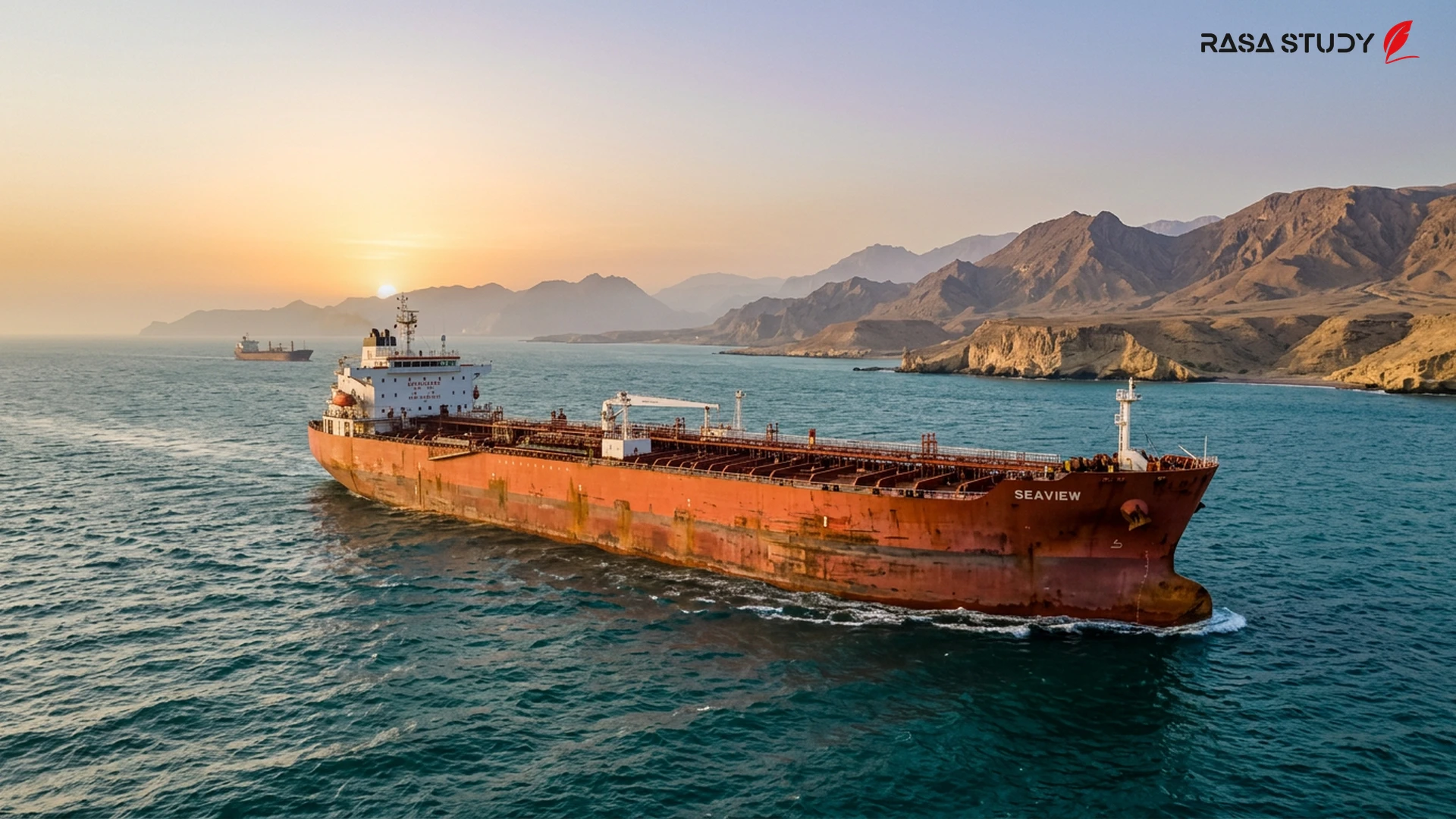
With escalating tensions in the Strait of Hormuz and a sudden spike in global oil prices in July 2026, Turkey's economy is once again under severe inflationary pressure, and concerns regarding an unprecedented increase in the country's current account deficit have reached their peak.
The Strait of Hormuz, as one of the world's most vital waterways for energy transport, has once again become the focus of global markets. For Turkey, which is heavily dependent on energy imports, any disruption in this route means a direct shock to macroeconomic indicators. Recent reports indicate that increased shipping costs and oil prices have posed a serious threat to Ankara's economic plans to curb inflation [1].
Strategic Importance of the Strait of Hormuz for Ankara Turkey secures a major portion of its oil and gas needs through sea routes and pipelines whose pricing is heavily influenced by the stability of the Persian Gulf region. The blockage or even the threat of disruption in the Strait of Hormuz has immediately pushed Brent crude prices above $100 per barrel [2]. This is an economic nightmare for a country like Turkey, which is striving to bring its inflation rate down to single digits. Rising fuel prices not only increase domestic transportation costs but also raise the final price of goods and services across the country.
Oil Shock and the Inflation Spiral in Turkey Economic analysts in July 2026 warn that a new wave of cost-push inflation driven by energy costs could wipe out the recent achievements of the Central Bank of the Republic of Turkey. According to data released by local news sources, energy import costs in the first half of July grew by 30% compared to the same period last year [1]. This situation has caused inflationary expectations among Turkish households and businesses to rise once again, which itself is a factor in the depreciation of the Lira against major global currencies.
Current Account Deficit: The Achilles' Heel of the Economy One of the biggest structural challenges of the Turkish economy is the current account deficit. When global energy prices rise, Turkey's trade balance becomes heavily negative. In recent days, financial reports have shown a deepening gap in the country's balance of payments [3]. Experts believe that if tensions in the Strait of Hormuz do not subside, Turkey will be forced to turn to more foreign borrowing to compensate for this deficit or consume its foreign exchange reserves, both of which increase the country's credit risks in the long term.
Market Reaction and Future Outlook The Borsa Istanbul and the Lira-to-Dollar exchange rate have experienced severe fluctuations in recent days. The Turkish government is trying to reduce the effects of this crisis through diplomatic consultations and diversifying energy supply sources, but the reality is that the region's geopolitics has always cast a shadow over the country's economy [2]. Turkey's success in navigating this crisis depends on the duration of the tensions in the Gulf and the Central Bank's ability to manage liquidity.
July 2026 tensions in the Strait of Hormuz have increased energy import costs for Turkey.
linkSources
- Hürmüz, Türkiye ekonomisini enflasyon ve cari açık konusunda zora sokuyor — Gazete Memur (2026-07-18)
- Global Oil Supply Risks: The Hormuz Factor in 2026 — Reuters (2026-07-17)
- Turkey's Current Account Deficit Widens Amid Energy Volatility — Bloomberg (2026-07-19)


