While the world watches the NATO summit in Ankara and the fragile Iran-US agreement, Dr. Osman Gazi Kandemir challenges analysts' approaches to Tehran's complex issues in a critical column.
Today, July 7, 2026, as NATO leaders gather in Ankara to discuss the future of global security and rising tensions in the Middle East, an analytical column by Dr. Osman Gazi Kandemir has been published on the "Independent Turkish" website, offering a different perspective on the Iran crisis. In his article titled "Reading Iran with the Wrong Questions," Kandemir argues that many political analysts, by posing stereotypical questions, have failed to understand the underlying realities of power in the Islamic Republic [1].
False Paradigms in Iranian Political Analysis Dr. Kandemir believes that excessive focus on simplistic dualities like "Reformist vs. Principalist" or the constant expectation of a "sudden regime collapse" has caused the real dynamics of power in Iran to be ignored. He points out that in the minds of many opponents and Western analysts, the boundary between "country" and "sovereignty" has become dangerously blurred [1]. This approach causes any change in behavior in Iranian foreign policy to be misinterpreted, resulting in diplomatic responses built on false assumptions.
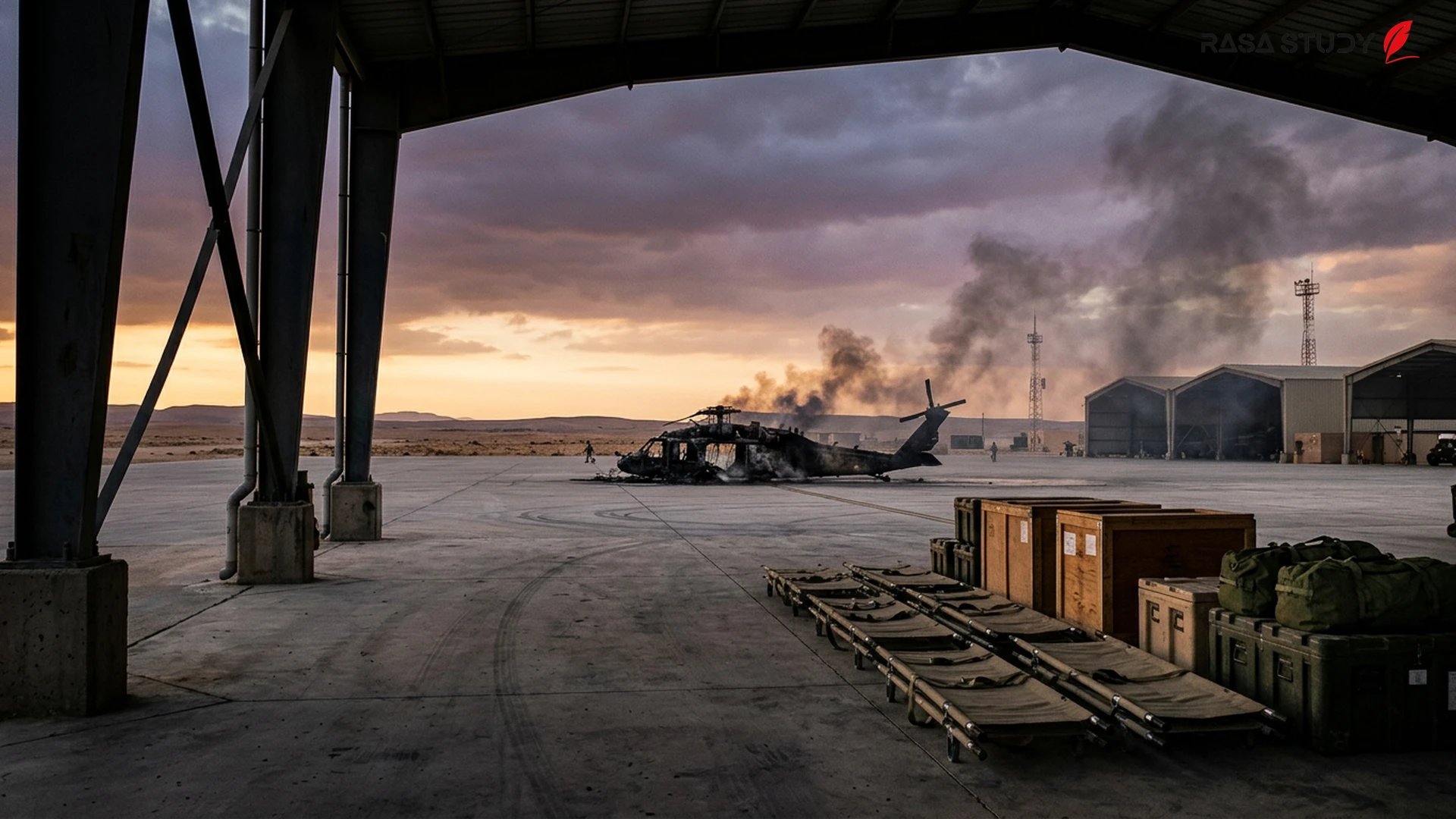
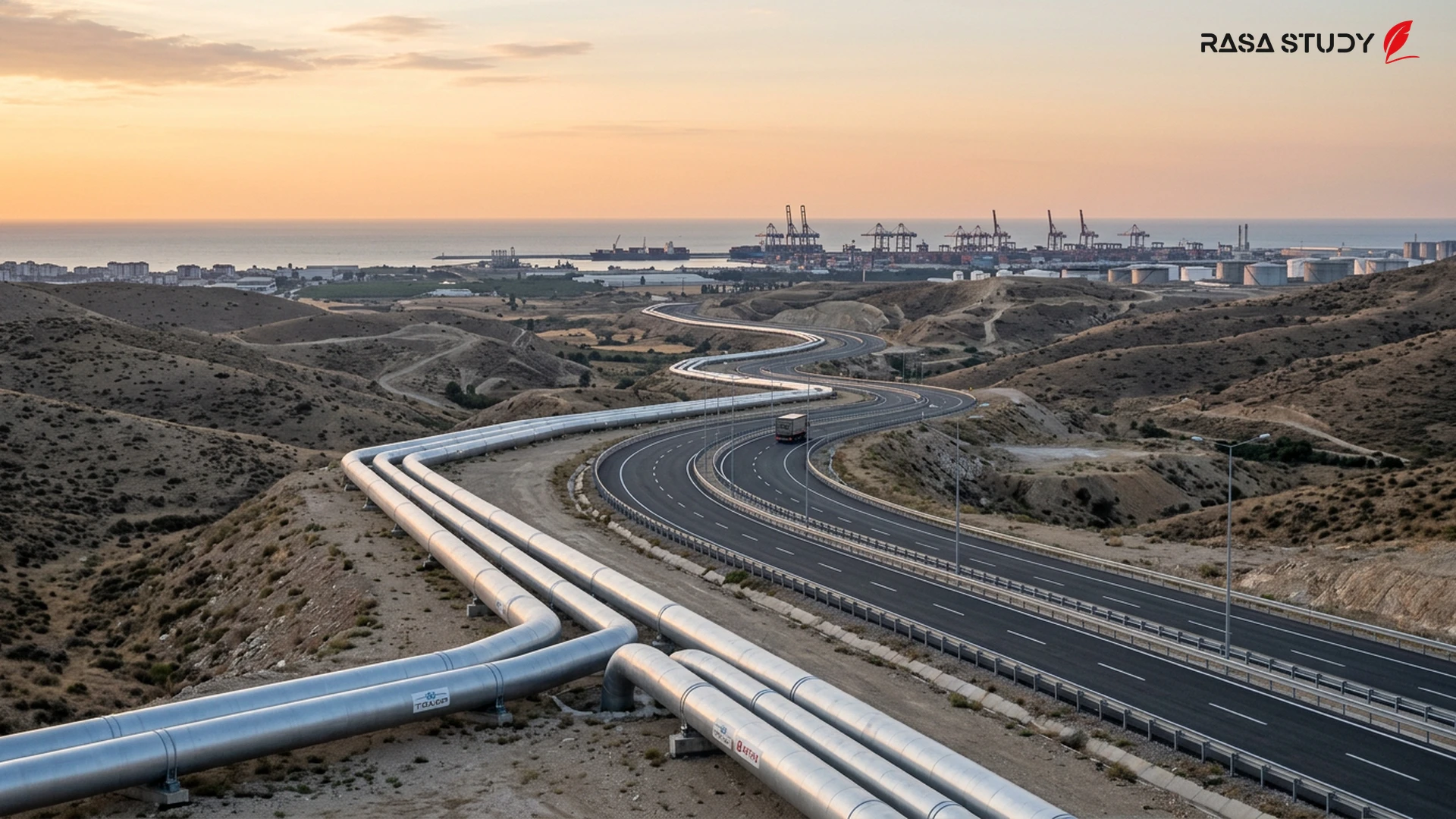
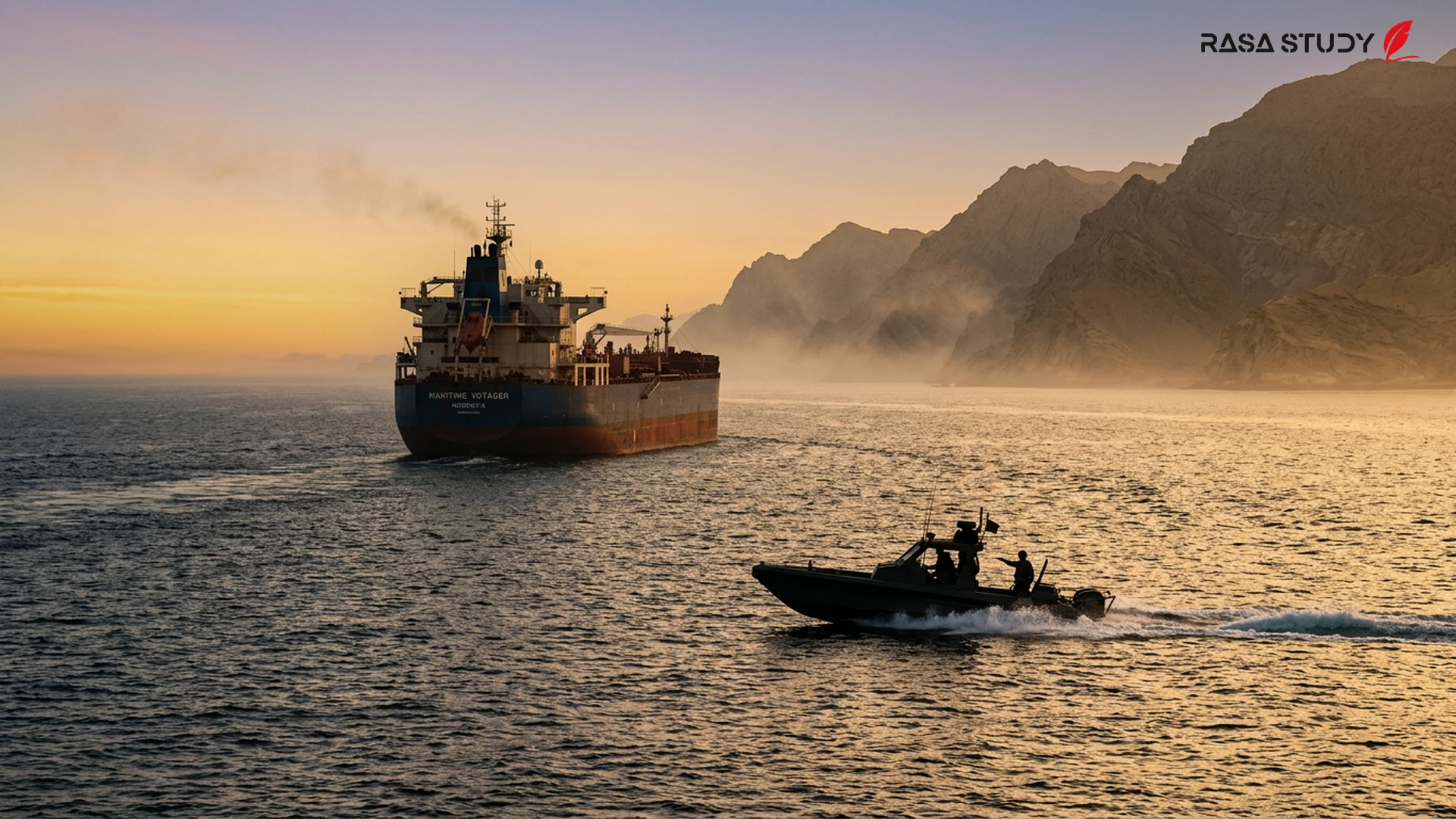
Fragile Agreement and Crisis in the Strait of Hormuz This analysis comes at a time when the region is in a highly sensitive state. Only two days ago, reports were published of an indirect agreement between Iran and the United States mediated by Qatar and Pakistan, which included a 60-day ceasefire and the reopening of the Strait of Hormuz [2]. However, field reports today indicate that Iranian forces have once again launched attacks against commercial vessels in the Strait of Hormuz, severely threatening this fledgling agreement [3]. Kandemir implicitly suggests in his note that these contradictory behaviors are part of Tehran's complex survival and bargaining strategy, which cannot be analyzed with traditional international security questions.
NATO Summit in Ankara and the Heavy Shadow of Iran Simultaneous with the publication of this analysis, US President Donald Trump is in Ankara to attend the 36th NATO Summit. Trump, who has just concluded the celebrations for the 250th anniversary of American independence, is reportedly furious with his European allies for restricting the use of military bases for attacks on Iran during recent conflicts [3][4]. Turkish President Recep Tayyip Erdoğan, meeting with regional officials, warned that Israel or extremists should not be allowed to derail the diplomatic agreement with Iran [2].
The Necessity of Rethinking the Strategic Approach Finally, Dr. Kandemir emphasizes that to correctly understand Iran in 2026, one must move beyond old lenses. He believes that the power structure in Iran, rather than being based on pure ideology, operates on a "survival-based pragmatism" that can simultaneously come to the negotiating table and project power in the Strait of Hormuz [1]. Without understanding this complexity, the international community will remain trapped in a cycle of "wrong questions and ineffective answers."
Dr. Osman Gazi Kandemir, a strategic affairs analyst, critiques Western approaches to Iran in his new column.
linkSources
- İran'ı yanlış sorularla okumak — Independent Türkçe (2026-07-07)
- Türkiye's Erdogan says Israel must not be allowed to derail US-Iran deal — Pajhwok Afghan News (2026-07-05)
- NATO summit in Ankara: Trump still fuming over Iran — Kurdistan 24 (2026-07-07)
- NATO's Photo-Op in Ankara — Asharq Al-Awsat (2026-07-03)