As July 2026 arrives, Iran's diplomatic apparatus is once again the focus of international analysts. The central question is whether Tehran continues to operate on the axis of 'Ayat Diplomacy' or has pivoted toward pure Realpolitik.
The Concept of Ayat Diplomacy in Iran's Political Sphere
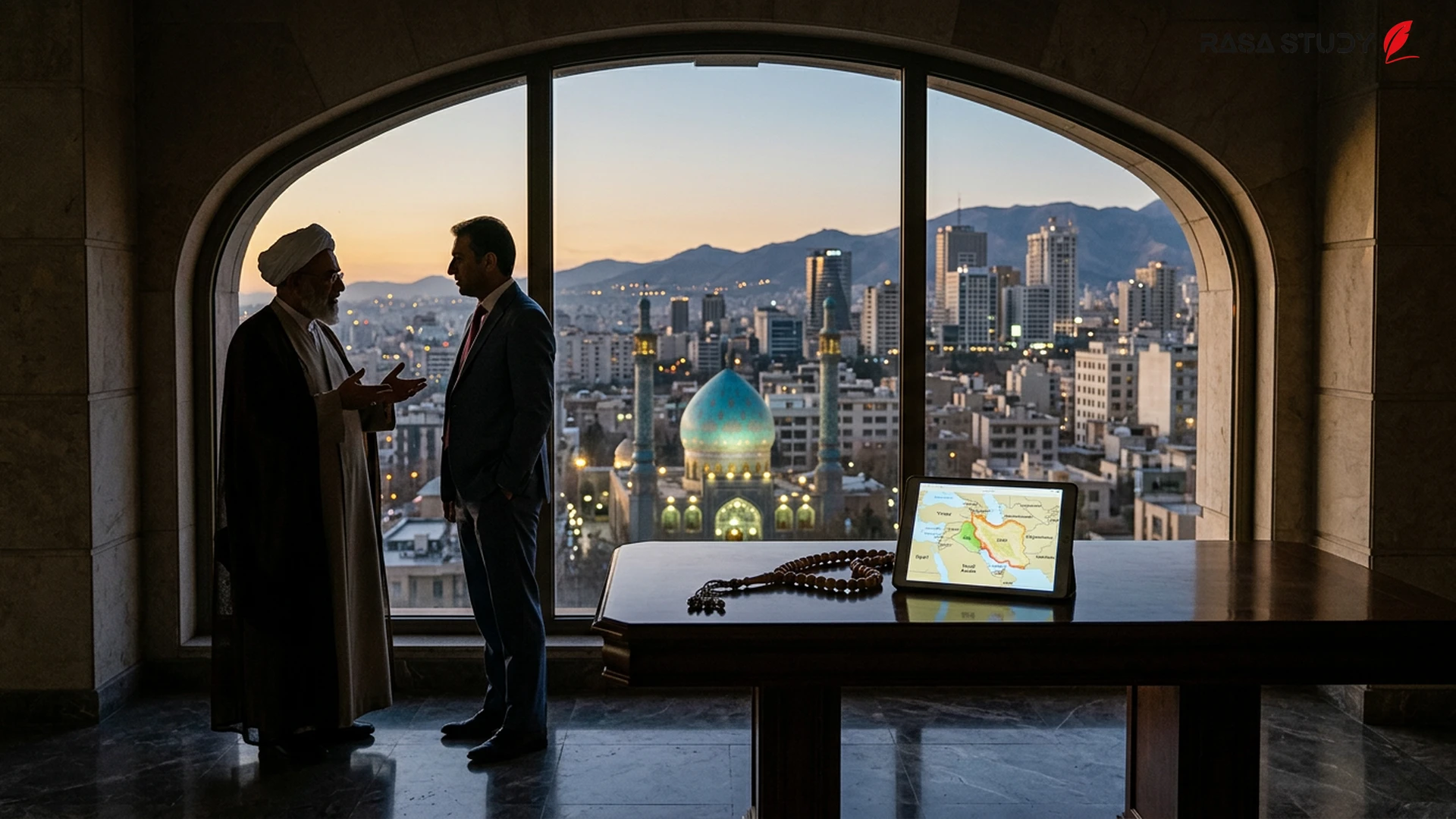
In recent years, the term 'Ayat Diplomacy' has been frequently used to describe Iran's religious and ideological influence in the region. This approach, rooted in jurisprudential and revolutionary foundations, seeks to use religious soft power to create bonds beyond national borders [1]. In July 2026, the question of whether this policy is merely a religious tool or a cover for 'Persian Politics' aimed at expanding historical influence has been increasingly raised in media circles such as 'Afler Khabar'.
Realpolitik: The Necessities of Survival in 2026
Despite ideological slogans, evidence suggests that in its recent interactions with neighbors and global powers, Iran has leaned heavily toward 'Realpolitik' or political realism [2]. Recent trade agreements and efforts toward regional de-escalation indicate that national interests and economic survival sometimes take precedence over traditional Islamic diplomacy priorities. Analysts believe Tehran is undergoing a structural transition where 'Ayats' serve not as the goal, but as a bargaining tool at international negotiation tables [3].
Persian Politics or Islamic Diplomacy?
One of the main challenges in understanding Iran's foreign policy is the distinction between national (Iranian) identity and religious (Islamic) identity. Critics believe that what is presented as Islamic diplomacy is, in fact, a modern reconstruction of traditional Persian policies to maintain regional hegemony [1]. This duality has led Iran's regional partners to view Tehran's peace initiatives with greater caution. However, in the summer of 2026, it appears that Iran has managed to create a synthesis of these two identities to maintain domestic legitimacy while achieving its geopolitical goals [2].
Future Outlook: Diplomacy in a Time of Transition
Looking at the developments of July 2026, it is clear that Iran can no longer rely solely on one of these dimensions. The pressure of remaining sanctions and rapid changes in the global balance of power have forced Tehran to strike a delicate balance between 'religious idealism' and 'geopolitical necessities' [3]. The future of Iranian diplomacy depends on how it can adapt its revolutionary identity to the requirements of the new world order in the second half of the 2020s.
Iranian diplomacy in 2026 fluctuates between religious traditions and political necessities.
linkSources
- İRAN’IN AYET DİPLOMASİSİ: Acem Siyaseti mi? İslam Diplomasisi mi? Reel Politik mi? — Efeler Haber (2026-07-08)
- Iran's Regional Strategy in 2026: Balancing Ideology and Interest — Al Jazeera (2026-07-05)
- The Evolution of Tehran's Foreign Policy: From Revolution to Realpolitik — Tehran Times (2026-07-09)