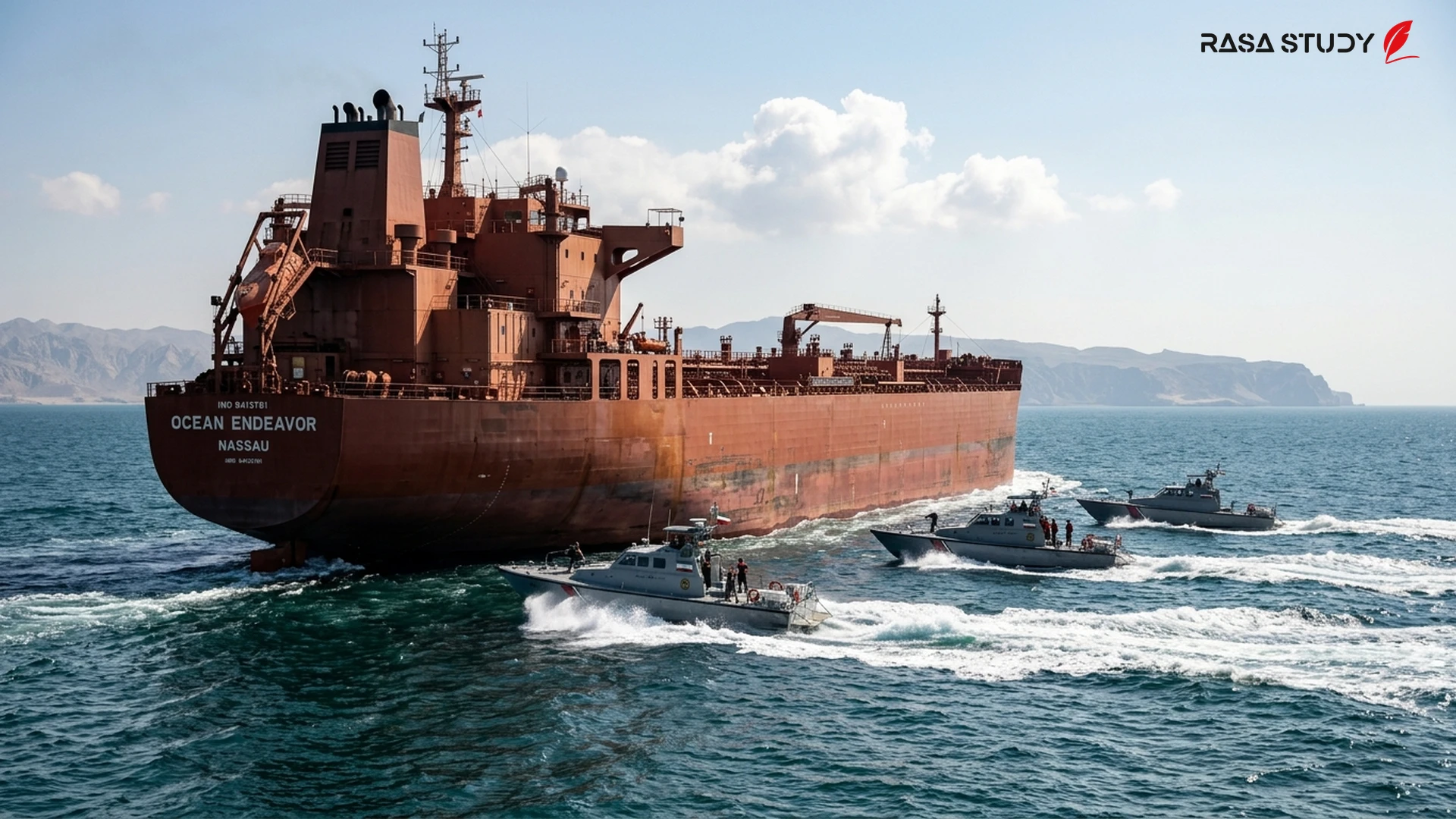
Recent reports from the Persian Gulf region indicate that Iranian naval forces have prevented a tanker from moving in the Strait of Hormuz. This action in one of the world's most vital waterways has created new concerns in global markets.
Incident Details in the Strait of Hormuz According to reports published by news sources, Iranian naval forces have blocked the path of a tanker intending to enter the Strait of Hormuz in a new move [1]. This incident occurs while maritime security in this region is always under intense international surveillance. No precise details regarding the identity of the tanker's owner or its flag have been released yet, but this action indicates the continuation of Iran's strict policies in controlling traffic in this strategic waterway.
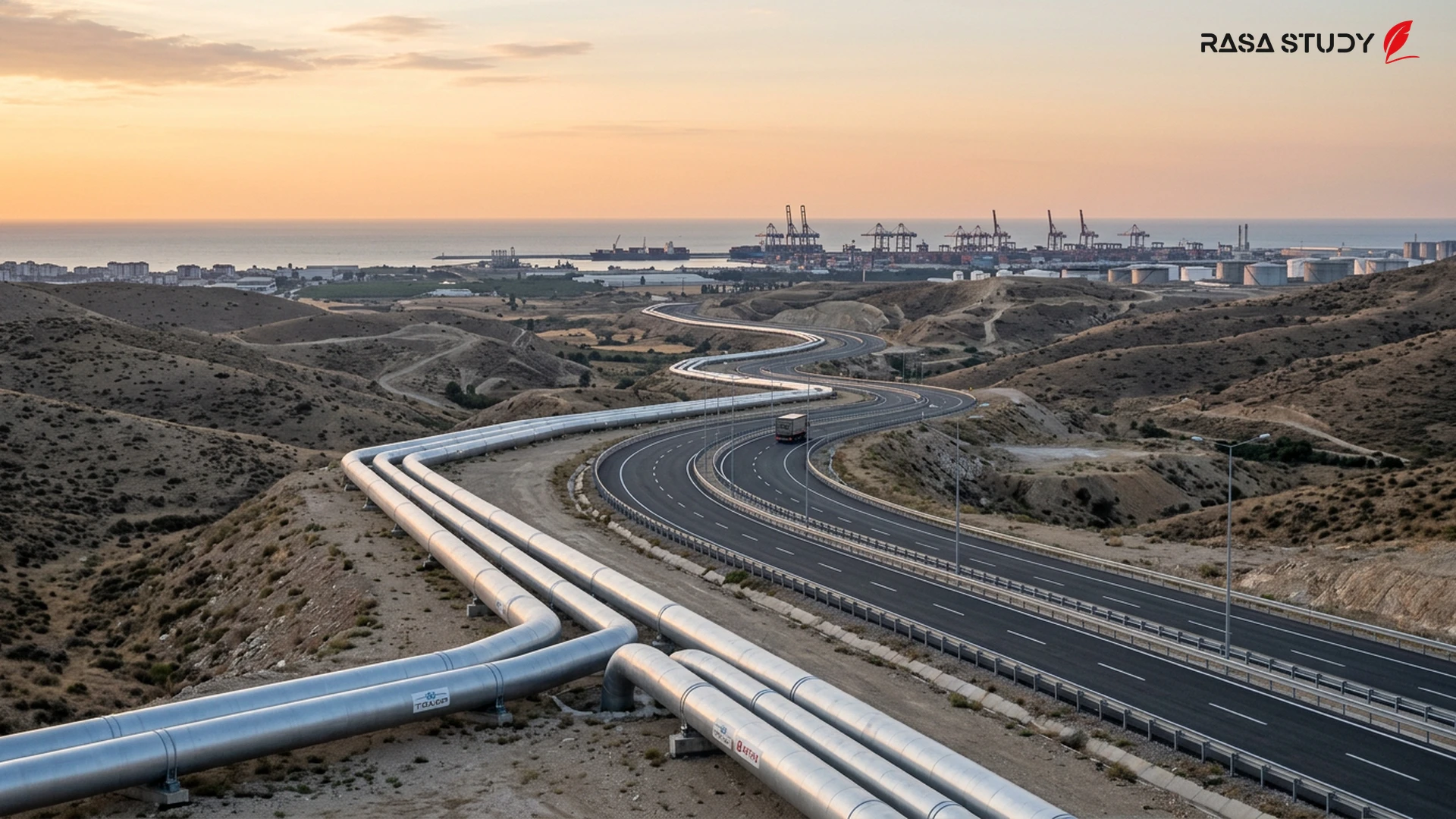
Strategic Importance of the Strait of Hormuz The Strait of Hormuz is known as the most important oil transit point in the world. Approximately 20% of the world's crude oil consumption passes through this narrow passage. Any disruption in the movement of vessels in this area can quickly affect global energy prices [2]. Experts believe that preventing the passage of tankers is more than just a military action; it is considered a political message to global powers and major oil buyers in Asia and Europe.
History of Maritime Tensions and International Reactions This is not the first time Iranian forces have seized or prevented the passage of commercial vessels. In recent years, similar incidents have led to an increased presence of international fleets to escort tankers [3]. The United States and its allies have always considered these actions a disruption to free trade security and have called for an end to interventions in international routes. On the other hand, Iranian officials usually justify these actions within the framework of enforcing maritime laws and responding to potential vessel violations.
Economic and Security Consequences Energy market analysts warn that the recurrence of these incidents could lead to increased shipping insurance costs and ultimately higher final fuel prices. Additionally, the possibility of escalating physical conflicts in the Persian Gulf region has made investors worried about regional stability. In the hours following the release of this news, oil prices in global markets have seen upward fluctuations, indicating the high sensitivity of this sector to news from the Strait of Hormuz.
Conclusion and Future Outlook While the international community calls for restraint and the maintenance of maritime security, it seems the Strait of Hormuz will continue to remain a point of leverage in the region's political equations. It remains to be seen whether this blockage will lead to a long-term seizure or be resolved through diplomatic consultations.
The Strait of Hormuz, the vital energy transit artery, has once again become the center of maritime tensions.
linkSources
- İran Hürmüz Boğazı’نا giren tankerin geçişi engellendi — Yeni Akit (2023-05-03)
- Iran seizes oil tanker in Strait of Hormuz, US Navy says — Al Jazeera (2023-05-03)
- Iran's Navy seizes second oil tanker in a week -US Navy — Reuters (2023-05-03)