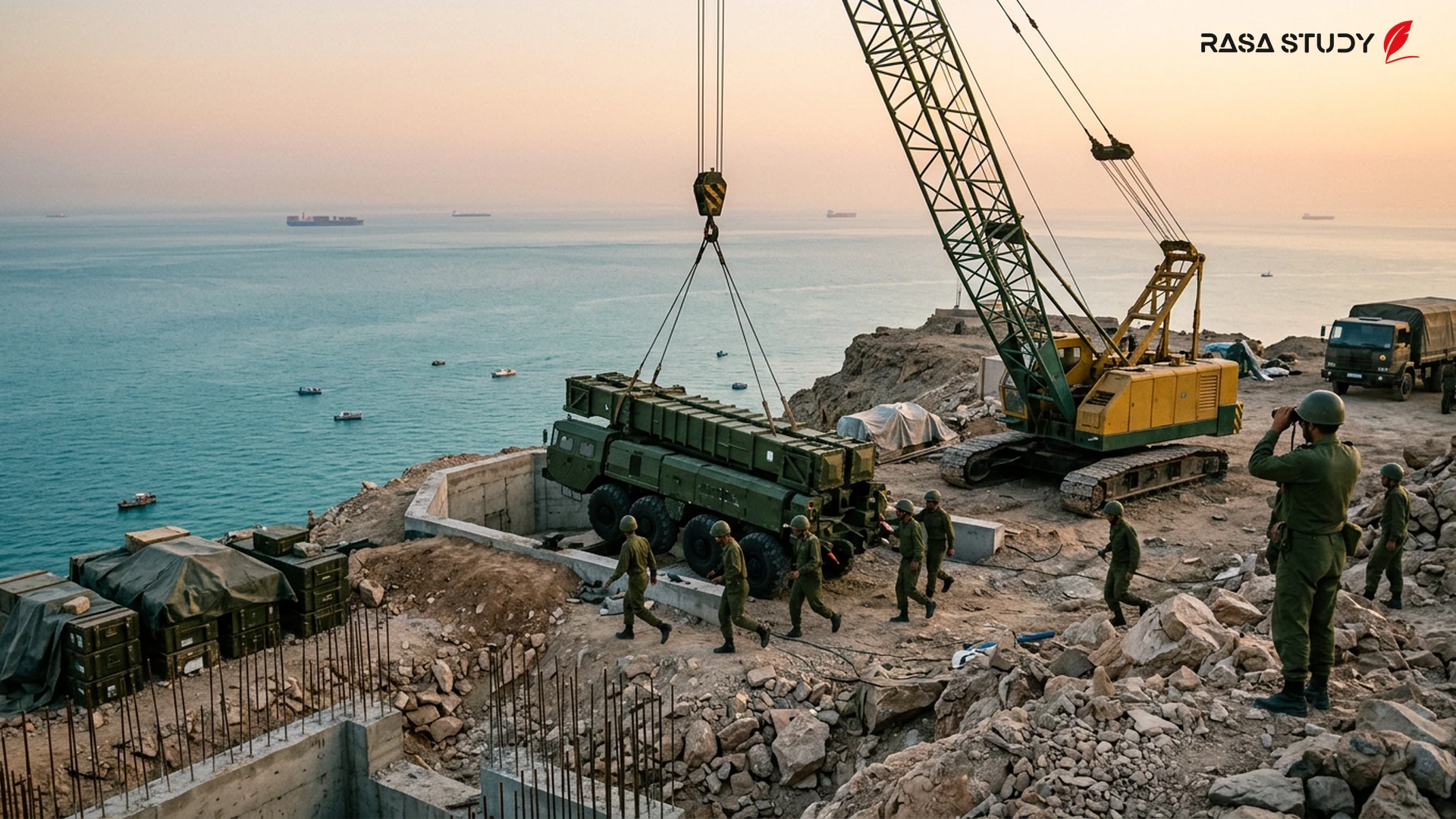
The spokesperson for the Army of the Islamic Republic of Iran announced today, July 5, 2026, that Tehran is utilizing any pause in hostilities to rebuild and upgrade its military capabilities, vowing not to waste a single moment of the ceasefire.
While the region remains in a fragile ceasefire, recent statements by Iranian military officials indicate a strategic approach to periods of combat cessation. Brigadier General Mohammad Ekraminia, the spokesperson for the Iranian Army, emphasized on the sidelines of the farewell ceremony for Iran's late leader at the Imam Khomeini Mosalla in Tehran that the armed forces are utilizing the current opportunity to strengthen their defensive and combat infrastructure [1].
Military Reconstruction Under the Shadow of Diplomacy According to reports published on July 5, 2026, Ekraminia stated: "We have repeatedly declared that we use every ceasefire opportunity to upgrade our combat capabilities and will not overlook even a single moment" [2]. These remarks come as indirect negotiations between Iran and the United States in Doha have been temporarily suspended due to the funeral ceremonies for the late Iranian leader, with talks scheduled to resume on July 11 [3].
Analysts believe this stance is a clear message to Washington and its regional allies that Iran maintains its readiness to return to military confrontation despite accepting the June 17 memorandum. This agreement, mediated by Pakistan and Qatar, included the reopening of the Strait of Hormuz and a halt to reciprocal attacks, but it has faced numerous violations in recent weeks [4].
Warning Against Enemy Miscalculations Warning opposing parties, the Iranian Army spokesperson noted that any "miscalculation" by enemies would be met with a "decisive and devastating" response [1]. He emphasized that the presence of millions at the funeral ceremony demonstrates public support for the country's defense policies and resistance against "global hegemony" [2].
Meanwhile, intelligence reports indicate that Iran is negotiating the release of its frozen assets to provide for basic needs and economic reconstruction, while simultaneously insisting on its sovereign control over the Strait of Hormuz and the collection of transit fees from vessels [3].
Outlook for Upcoming Negotiations As the July 11 date for the new round of talks approaches, an atmosphere of mistrust continues to loom. The United States, led by Donald Trump, has warned that if negotiations do not reach a desired outcome, the military option remains on the table [4]. On the other hand, Iran is using the remaining time of the 60-day ceasefire to enhance the accuracy of its ballistic missiles and rebuild air defense sites that were damaged in the conflicts of early 2026 [1].
Brigadier General Mohammad Ekraminia, Iranian Army spokesperson, emphasized using the ceasefire opportunity to strengthen defensive capabilities.
linkSources
- Iran says the ceasefire is an opportunity to bolster its fighting capabilities — Vietnam.vn (2026-07-05)
- Iran Army Spokesperson: Ceasefires Used to Upgrade Combat Capabilities — WANA News Agency (2026-07-05)
- Iran's military says ceasefire being used to heighten combat readiness — Dawn (2026-07-05)
- US and Iran trade strikes as both sides accuse the other of endangering ceasefire — The Guardian (2026-06-28)


