The IRGC Navy announced the complete closure of the Strait of Hormuz today, July 12, 2026. This move, following the targeting of a commercial vessel and extensive US airstrikes, has sent global energy markets into shock.
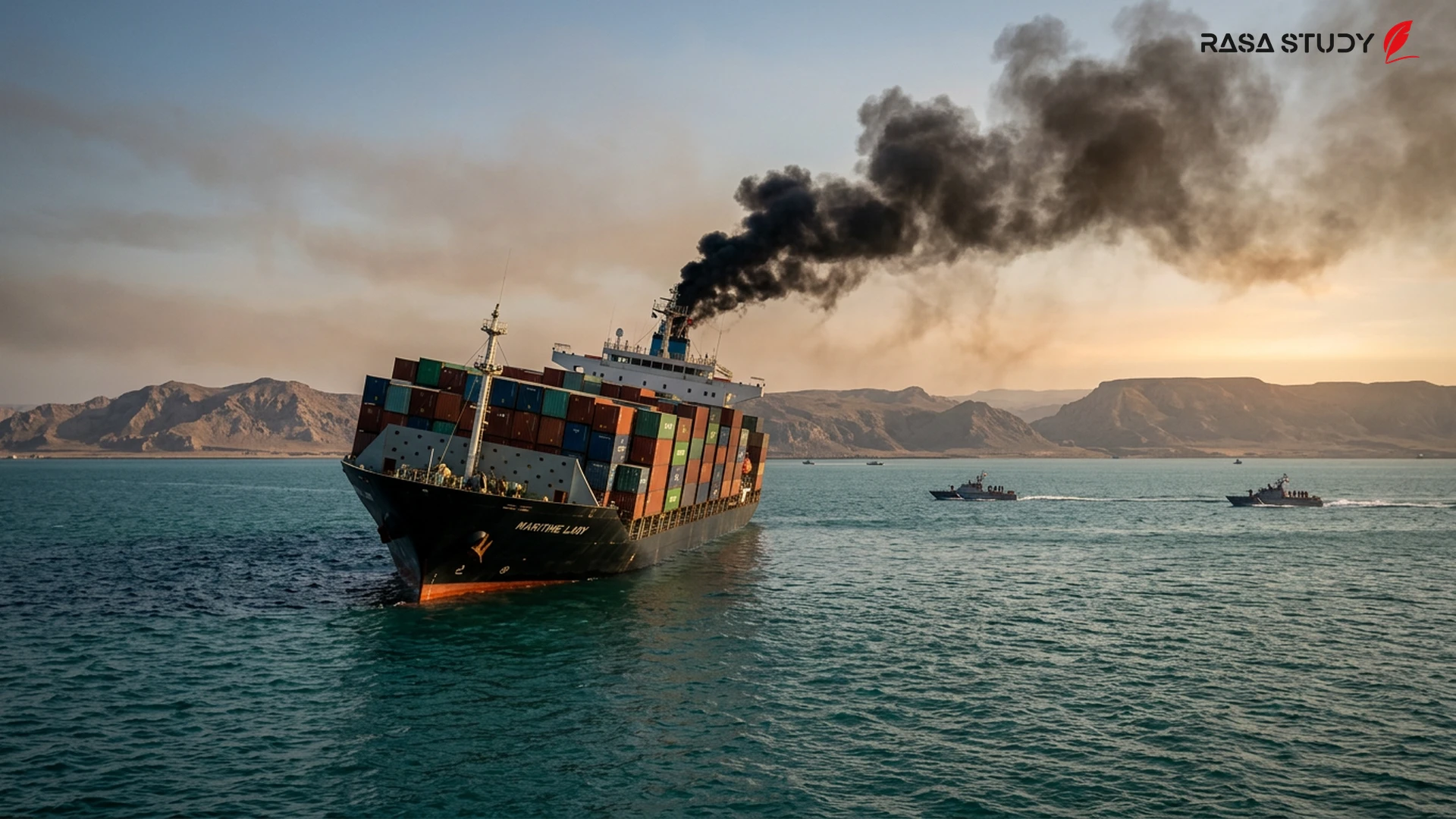
Closure of the Strait of Hormuz; From Warning Shots to Full Halt Early today, July 12, 2026, the Islamic Revolutionary Guard Corps Navy announced in an official statement that the Strait of Hormuz is completely closed "until further notice" and until the end of what it called "US interventions in the region" [1]. This decision was made after Iranian forces fired warning shots and stopped a Cyprus-flagged container ship named M/V GFS Galaxy, which they claimed was traveling an "illegal route" and had turned off its tracking systems [3][5]. According to reports, the ship suffered serious engine room damage and a fire broke out.
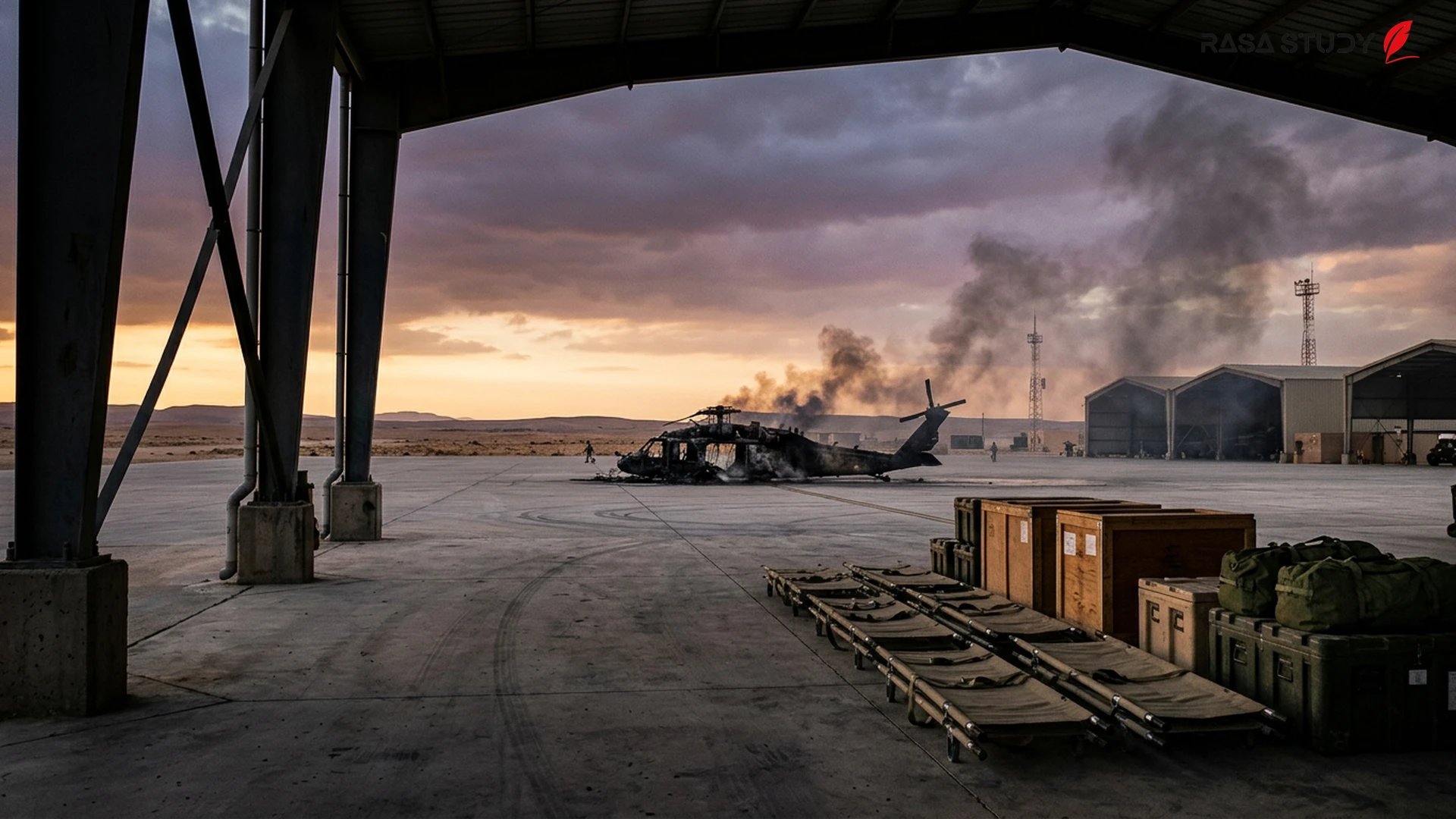
Heavy CENTCOM Response; 140 Positions Targeted in Southern Iran Only hours after the closure announcement, US Central Command (CENTCOM) announced the start of its third wave of air and missile strikes against positions in Iran. According to US officials, approximately 140 targets including missile sites, drone hangars, naval equipment warehouses, and command centers in areas such as Bandar Abbas, Qeshm Island, Chabahar, Bushehr, and Asaluyeh were targeted [2][3]. CENTCOM stated these strikes aimed to "weaken Iran's ability to attack civilian vessels" and were in response to violations of freedom of navigation [5].
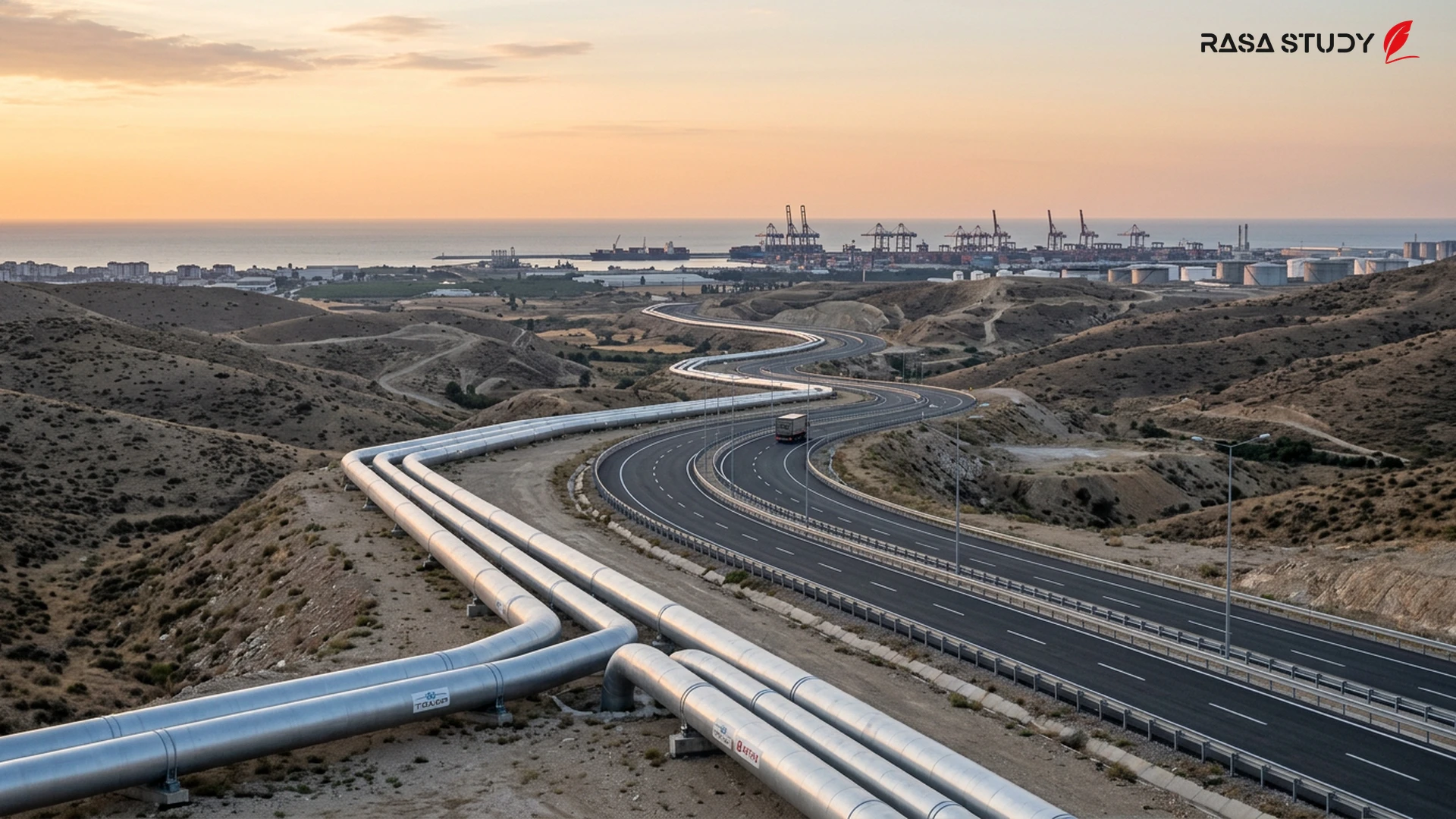
Turmoil in Energy Markets and Economic Consequences The closure of the Strait of Hormuz, through which more than 20% of the world's crude oil and liquefied natural gas (LNG) passes, immediately caused a price spike in global markets. Brent crude prices rose 6% to over $80 per barrel, and analysts warn that if this situation continues, prices could reach $120 [4]. Asian countries including India, China, and Japan, which are heavily dependent on Persian Gulf oil, are most affected, with reports of fuel rationing in some areas [4].
Diplomacy at a Deadlock; Fate of the Islamabad Memorandum These unprecedented tensions occur as recent diplomatic efforts based on the "Islamabad Memorandum" have effectively failed. Iran has stated it will not accept any negotiations until US attacks stop and foreign forces withdraw from the region [3]. On the other hand, the US government has set a deadline, demanding a written guarantee from Iran to reopen all shipping routes and halt nuclear activities [1]. The current situation has placed the region on the brink of a full-scale conflict, and the international community is anxiously following the moment-by-moment developments of this vital waterway.
The Strait of Hormuz, the world's most strategic waterway, has become the center of a global crisis following Iran's order to halt traffic.
linkSources
- Iran's IRGC navy says Strait of Hormuz closed until further notice — The Times of Israel (2026-07-12)
- Iran and US exchange strikes over Hormuz ship incident — The Guardian (2026-07-12)
- IRGC announces closure of Strait of Hormuz, US strikes Iran in retaliation — Jerusalem Post (2026-07-12)
- 2026 Strait of Hormuz crisis — Wikipedia (2026-07-12)
- سپاه: تنگه هرمز بسته شد / یک کشتی مورد اصابت موشک اخطار قرار گرفت — Entekhab News (2026-07-12)