Following Donald Trump's claims of reaching a "complete agreement" with Iran, official media and diplomatic officials in Tehran rejected these reports, stating that no final text has been approved yet.
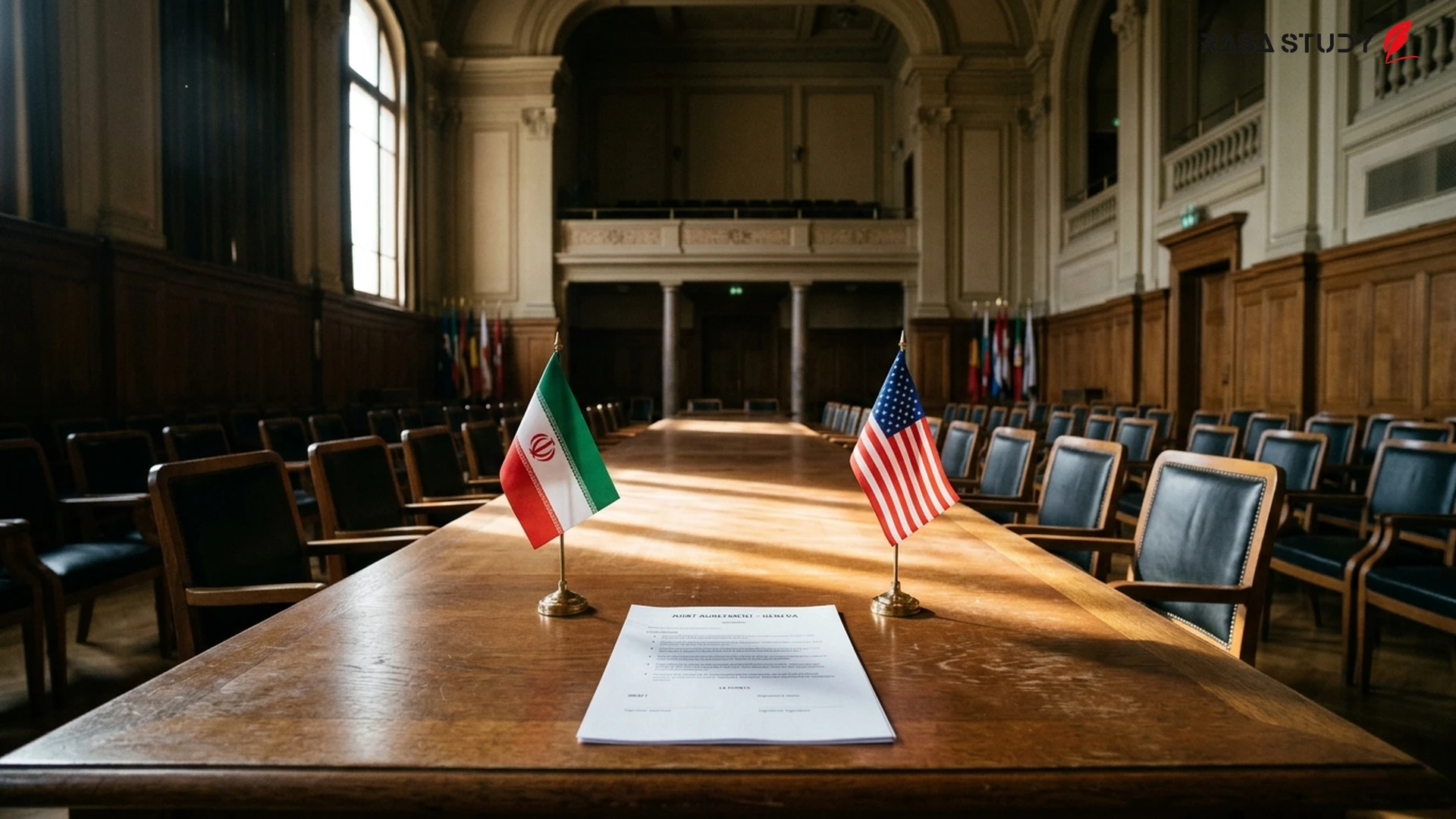
Conflicting Narratives Between Washington and Tehran On June 12, 2026, the diplomatic atmosphere between Iran and the United States faced a wave of contradictory news. US President Donald Trump, in controversial remarks, claimed that the two countries had reached a "perfect" agreement to end conflicts and that the signing ceremony could be held this Sunday in Geneva [1]. Trump also announced that with this agreement, the Strait of Hormuz would be reopened immediately and Iran has committed to never seeking nuclear weapons [4].
However, Iranian domestic media, including Fars and Tasnim news agencies, quickly denied these claims. An informed source in the Iranian negotiating team called the reports regarding the finalization of the memorandum text and the setting of a time for its signing in Geneva "pure lies" and "media fabrication" [2]. According to these sources, the process of review and decision-making at the highest levels of the system in Tehran has not yet concluded.
Official Reaction from the Ministry of Foreign Affairs Esmaeil Baghaei, the spokesperson for the Iranian Ministry of Foreign Affairs, emphasized in response to these developments that the potential understanding is still in the "internal conclusion" stage and no definitive decision has been made [3]. He considered Western media speculation about the time and place of the signing meeting to lack an official basis. At the same time, Foreign Minister Abbas Araghchi noted in a milder tone that although the two sides are closer than ever to a Memorandum of Understanding (MoU), there will be no agreement until all details are finalized [4].
Details Leaked from the 14-Point Draft Despite official denials, some regional and domestic media have published details of a 14-point draft said to be the basis of recent negotiations. These items include [1][4]: * 60-Day Ceasefire: Complete cessation of hostilities on all fronts, including Lebanon. * Reopening the Strait of Hormuz: Lifting the naval blockade and allowing free passage for commercial vessels. * Release of Assets: Transfer of $24 billion of Iran's frozen assets. * Limited Sanctions Relief: Suspension of oil and petrochemical sanctions in exchange for compliance with nuclear commitments.
Trump's Anger and Market Reaction Following repeated denials from Tehran, Donald Trump strongly criticized Iranian officials on his social network (Truth Social), calling them "unreliable." He claimed that the Iranian media's narrative of the agreement's terms differs from what was discussed in writing [4]. Despite these verbal tensions, global oil markets reacted to the hope of de-escalation, and Brent crude prices fell significantly to below $87 per barrel [4]. Analysts believe that this conflict of narratives is part of the diplomatic pressure in the final stages of the sensitive June 2026 negotiations.
Media tensions between Tehran and Washington in June 2026 over the finalization of a peace memorandum.
linkSources
- İran basını ABD’nin anlaşma iddialarını yalanladı — Manşet Haber (2026-06-12)
- Media Claims about Finalization of Text for Iran-US Understanding False — Tasnim News Agency (2026-06-11)
- بقائی: تفاهم احتمالی در مرحله جمعبندی داخلیست — Al-Alam (2026-06-12)
- Trump fumes at 'dishonorable' Iranians amid leaks on emerging deal — The Times of Israel (2026-06-12)