In a new interview with Nevzat Çiçek, Professor Foad Izadi emphasized that Iran is adopting a multilateral approach, preparing for a new era of diplomatic activities and strengthening military capabilities to counter threats.
While the summer of 2026 has been marked by unprecedented tensions in the Persian Gulf and exchanges of fire between American and Iranian forces, Professor Foad Izadi, a faculty member at the University of Tehran and international affairs analyst, revealed new dimensions of Tehran's strategy in a special conversation with Nevzat Çiçek on Independent Turkish. According to Izadi, Iran is now in a position where it must simultaneously prepare for diplomacy and a new military era [1].
Diplomacy in the Shadow of Threat: The Shaky June Memorandum On June 17, 2026, Donald Trump and Masoud Pezeshkian signed a Memorandum of Understanding (MOU) to end hostilities and reopen the Strait of Hormuz. However, this agreement, which was supposed to initiate a 60-day period of technical negotiations, has proven to be highly unstable [3]. Criticizing excessive optimism, Foad Izadi believes that the opposing side (the United States and Israel) has not yet paid the real cost of aggression. He warns that premature acceptance of a ceasefire without receiving objective guarantees only gives the enemy an opportunity to rebuild its military forces [4].
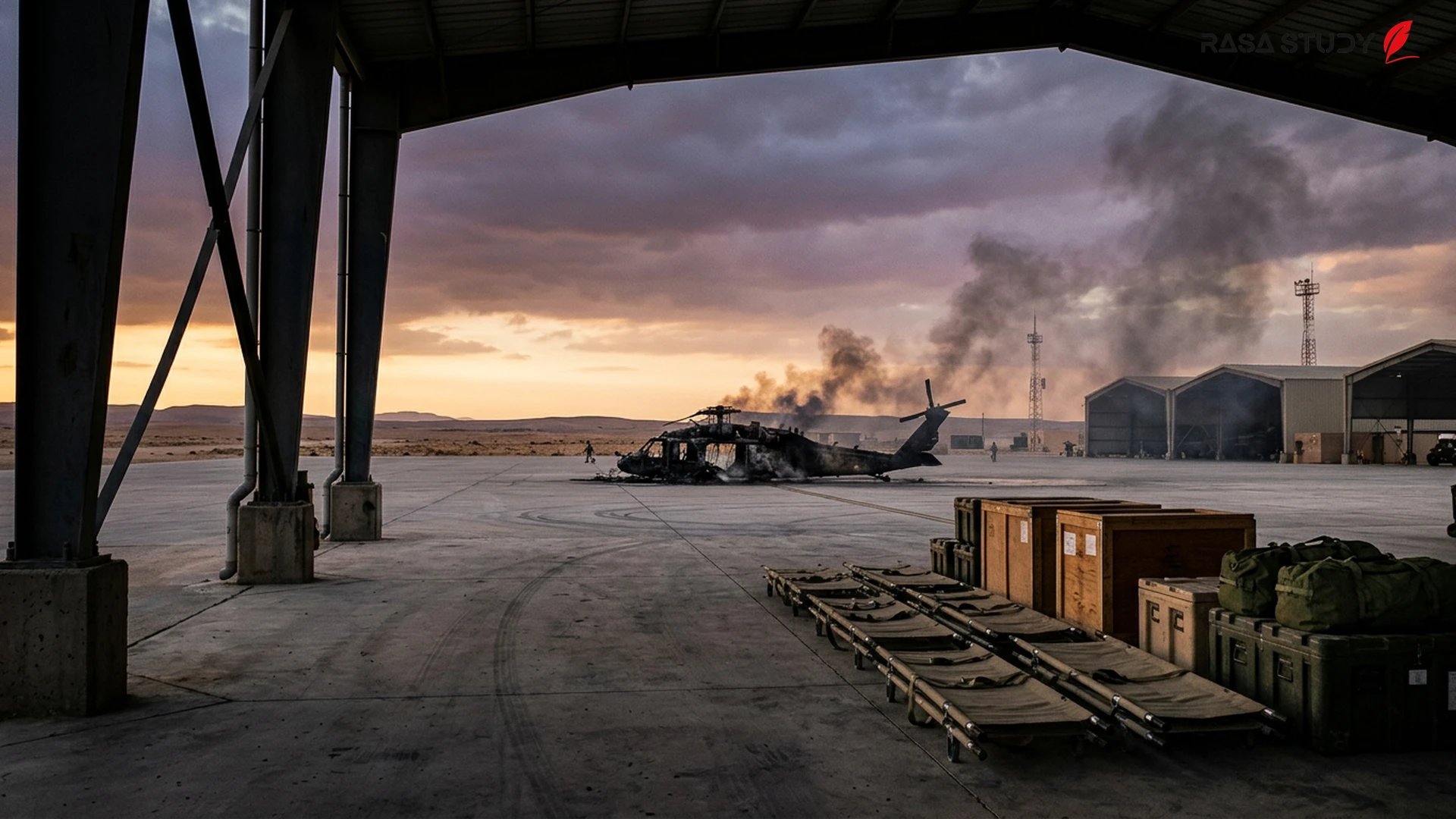
A New Military Era: Deterrence Beyond Borders In his analysis, Izadi refers to the term "new military era." This concept involves shifting Iran's defense doctrine to a point where the cost of any attack would be unbearable for Washington and Tel Aviv. In recent days, CENTCOM has attacked more than 90 targets on Iranian soil, and in response, Iran has targeted US bases in Bahrain and Kuwait [3][2]. Izadi believes Iran must have a list of the enemy's vital and strategic facilities in the region ready to deliver a devastating and long-term response in case of repeated attacks, which would take years to rebuild [4].
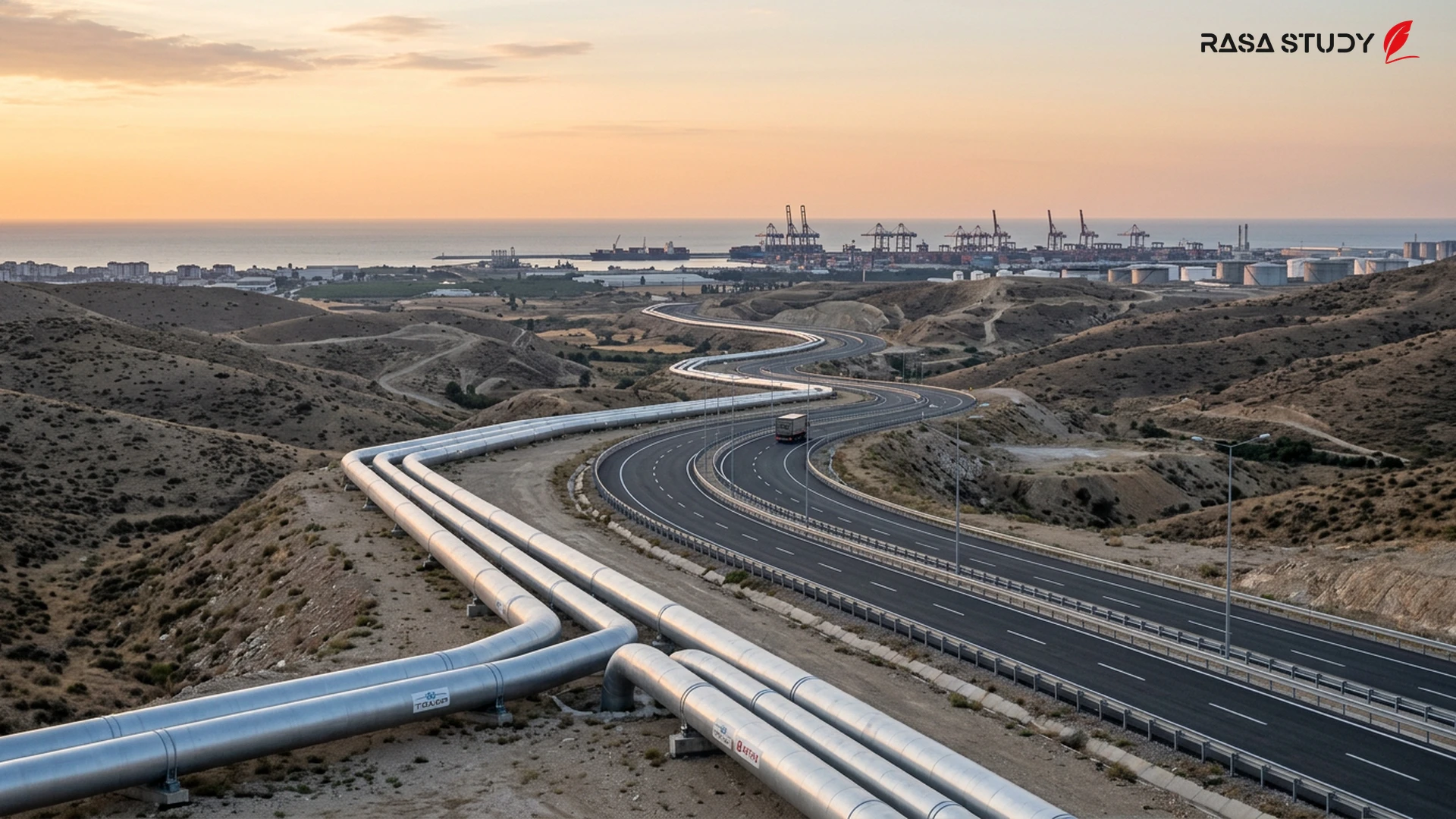
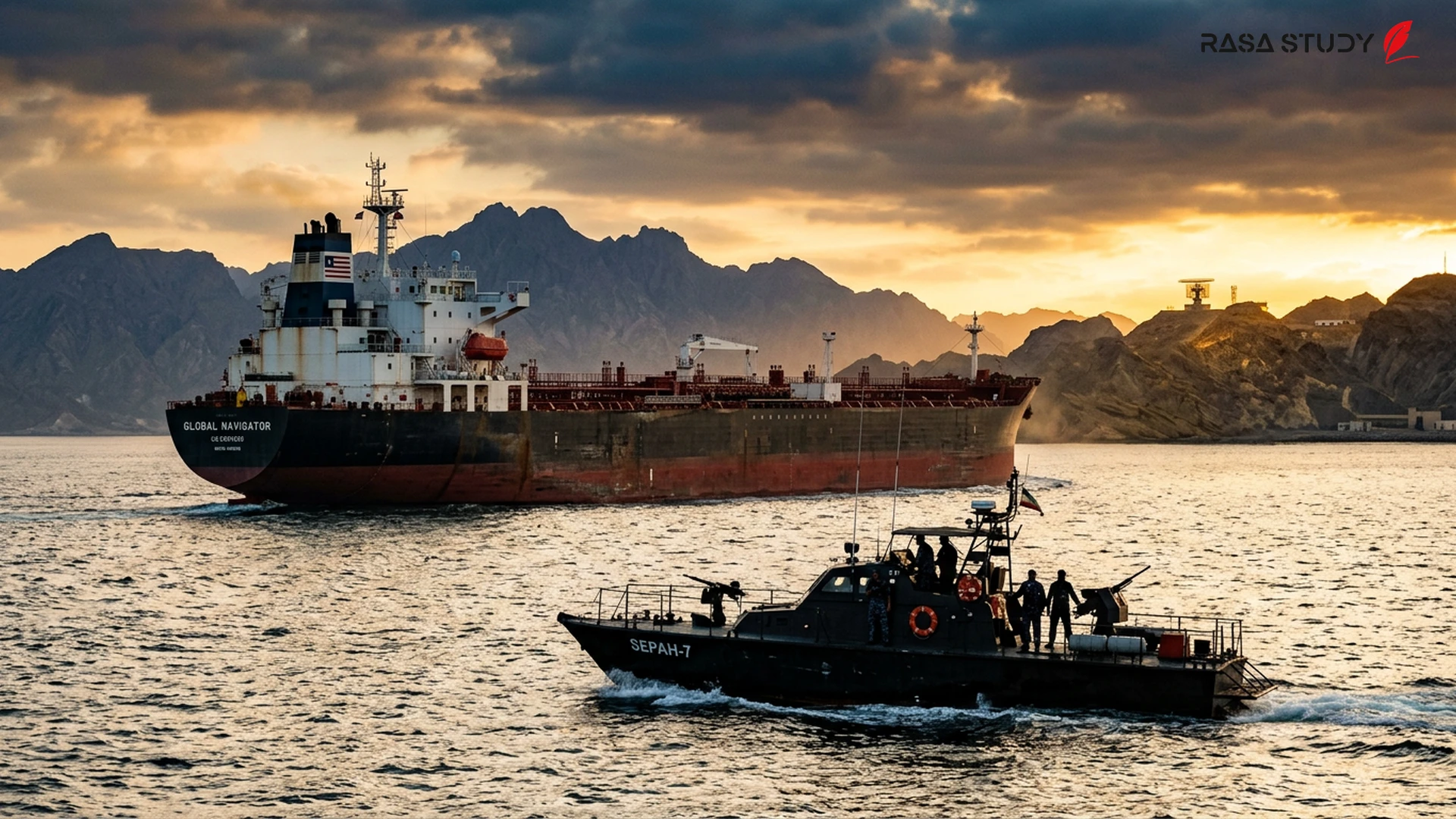
The Strait of Hormuz: Economic Leverage A key part of Iran's strategy at this stage is control over the flow of energy in the Strait of Hormuz. Izadi emphasizes that if Iran cannot sell its oil freely, there is no reason for other countries in the region to have export security [1]. Recent attacks on tankers on July 6 and 7 showed that Tehran is ready to use this lever to pressure global markets and force Trump to retreat [3]. According to this analyst, diplomacy will only be successful when supported by superior military power and the ability to damage the global economy [1][4].
Conclusion: Balance Between the Negotiating Table and the Field Field realities on July 10, 2026, show that the region is in a state of "neither war nor peace." While Trump has issued contradictory messages, sometimes speaking of the end of the ceasefire and sometimes of the continuation of negotiations [2], Izadi's analysis suggests that Tehran has charted its path to strengthen deterrence independent of the short-term results of the negotiating table. Iran's new military era is built on lessons learned from recent conflicts and the necessity of creating heavy human and economic costs for aggressors.
Foad Izadi believes Iran must make the cost of military aggression unbearable for the United States.
linkSources
- Nevzat Çiçek | Prof. Dr. Fuad Izadi: İran, hem diplomasiye hem de yeni bir askeri döneme hazırlanıyor — Independent Türkçe (2026-07-10)
- Trump threatens more strikes on Iran as ceasefire falters — Washington Post (2026-07-08)
- Iran-U.S. Conflict Update: July 9, 2026 — JINSA (2026-07-09)
- نقد فواد ایزدی به توافق ۱۴ مادهای ایران و آمریکا — Ensaf News (2026-06-12)