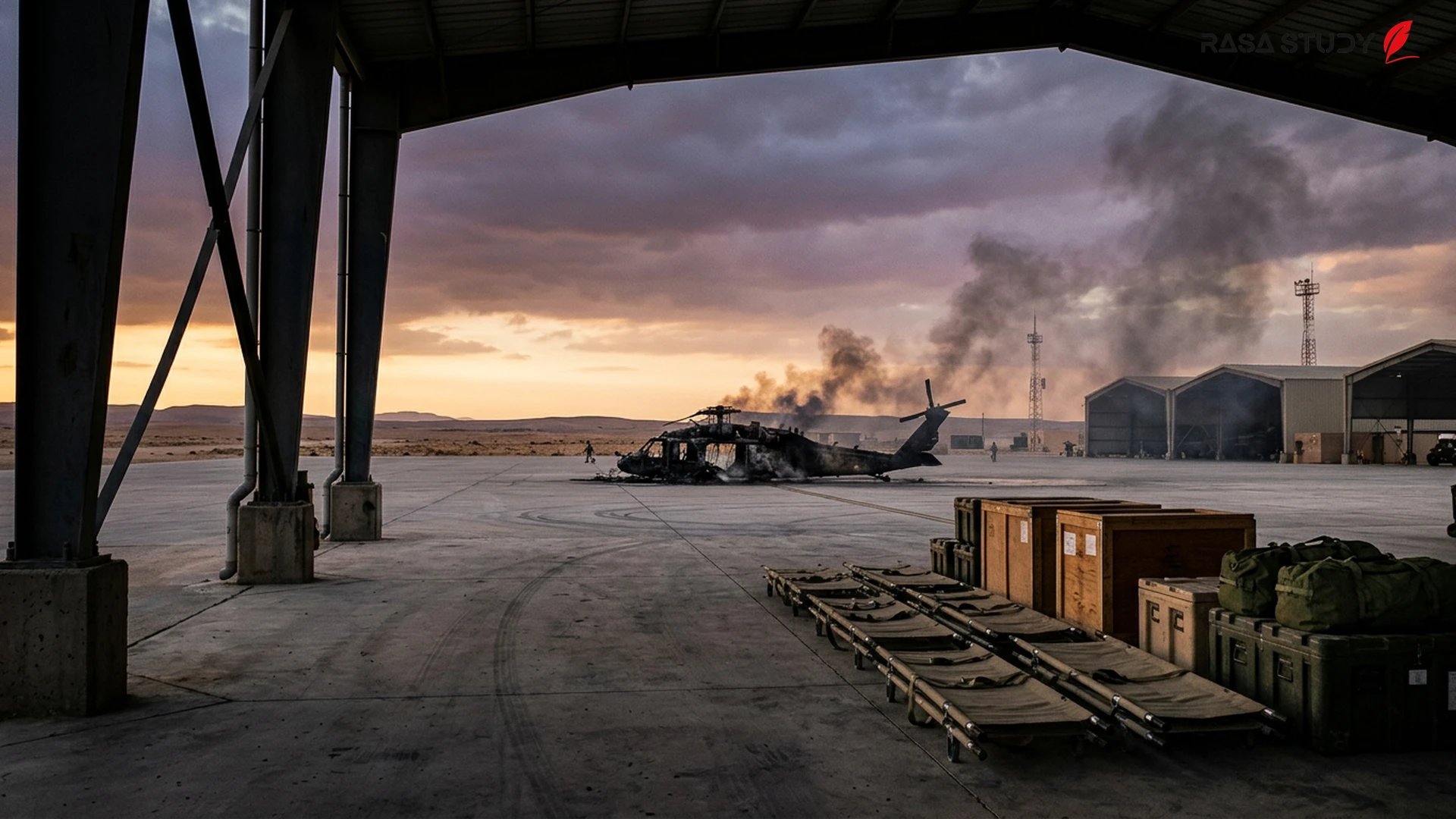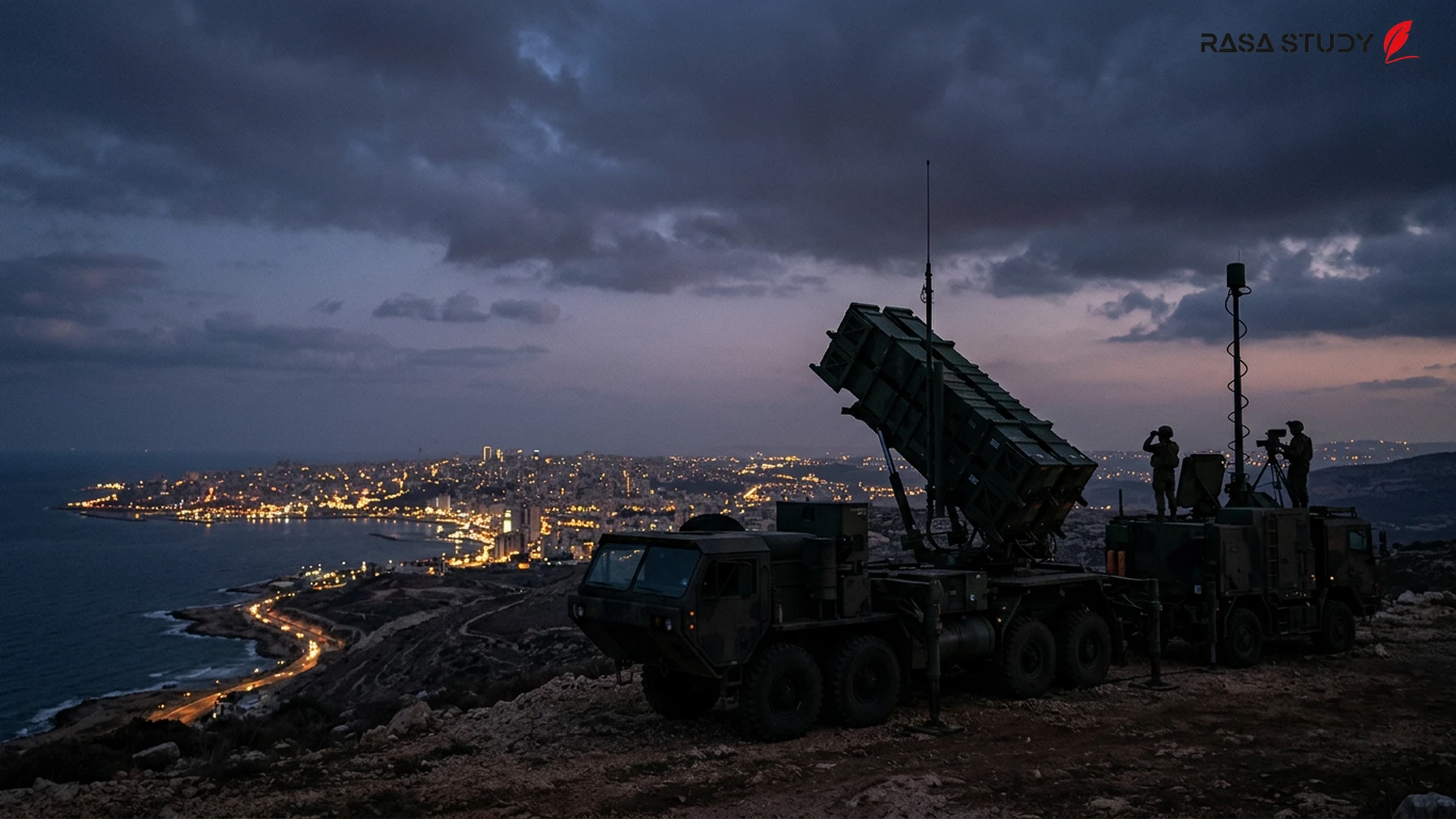
On July 11, 2026, sharp warnings from Iranian security officials about targeting Israeli infrastructure if adventures continue have created a wave of concern in Tel Aviv and triggered a hasty reaction from the regime’s defense minister.
Zolfaghar’s Message; Shivers in Israeli Political Circles Reports published in regional media indicate that the recent message from Mohammad Bagher Zolghadr, Secretary of Iran’s Supreme National Security Council, has created a wave of panic among senior Israeli officials [1]. Zolghadr explicitly warned in a statement that no point in Israel would be safe from Iran’s response to attacks against national infrastructure. This message, issued in the heated atmosphere following recent conflicts, directly identified the "Zionist regime" as responsible for any escalation [3].
According to the "Aydınlık" newspaper, this level of explicitness in Tehran's tone has caused the Israeli security cabinet to hold emergency meetings. Analysts believe that this time, beyond diplomatic warnings, Tehran has emphasized the operational readiness of its armed forces to strike sensitive economic and military centers [1][2].
Israel Katz’s Reaction; Attempting to Maintain Appearances Against Threats Israel Katz, the Israeli Defense Minister known as one of the "hawks" and hardliners of the cabinet, claimed in a swift reaction to the statements of Iranian officials that the country's army is ready for any scenario [2]. On his social media account, Katz tried to manage the psychological atmosphere created in Tel Aviv by reposting Iran's threats. He stated: "The IDF is always ready in defensive and offensive modes and will respond with power to any action against itself" [1].
However, local media report that despite these authoritative statements, the Israeli army has raised the alert level to the highest possible degree on the northern borders as well as around strategic facilities. These reactions indicate the seriousness of Iran's threats in Tel Aviv's security calculations [4].
Context of Tensions; From the Islamabad Agreement to Ceasefire Violations The current crisis is rooted in the events of recent weeks. While the two countries had reached an agreement on June 14, 2026, under the title of the "Islamabad Memorandum" for a 60-day negotiation period, US airstrikes on July 8 against positions inside Iran brought this agreement to the brink of collapse [3]. In response to these attacks, Iran targeted US military bases in Kuwait, Bahrain, and Qatar, emphasizing that Israel would not be exempt from these responses [2][3].
Currently, the region is in a state of "neither war nor peace." US President Donald Trump, by canceling previous agreements, has paved the way for direct confrontation. Meanwhile, Israel is concerned about becoming the main target of retaliatory attacks by Iran and its regional allies [4].
Potential Consequences for Middle East Security International analysts warn that any miscalculation in Tel Aviv could lead to a full-scale regional war. Iran's message that "the occupying regime will not be safe from the response of the fighters" indicates a shift in Tehran's strategy from strategic patience to direct and proportionate response [1][3]. Given the current situation, the coming days will be vital for determining the fate of stability in the Middle East, as both sides walk on the edge of a knife.
Israeli Defense Minister Israel Katz called for full army readiness in response to Iran's warning messages.
linkSources
- İran'ın mesajı İsrail'de panik yarattı! Hükümetin şahin isminden açıklama — Aydınlık (2026-07-10)
- İsrail Savunma Bakanı Katz, İran'ın kararlılık mesajına panik içinde yanıt verdi — Hürseda (2026-07-10)
- Iran's Supreme National Security Council warns Israel of response — Anadolu Agency (2026-07-11)
- Israel on high alert following Iranian threats to infrastructure — The Times of Israel (2026-07-11)