As July 2026 begins, regional financial markets are facing a new wave of uncertainty and extreme volatility following reports of increased political tensions in Iran, sparking concern among economic actors.
Roots of Tension in Regional Financial Markets
In the early days of July 2026, reports published by regional media, including "Nafas" Newspaper, indicate an emergency situation in financial markets stemming directly from political developments in Iran [3]. These tensions, rooted in diplomatic uncertainties and international pressures, have caused investors to act with greater caution. Past experiences, particularly during elections and structural power shifts in Tehran, have shown that any political fluctuation in this country can quickly spread to neighboring markets [1].
Stock Market and Currency Reactions to Recent Developments
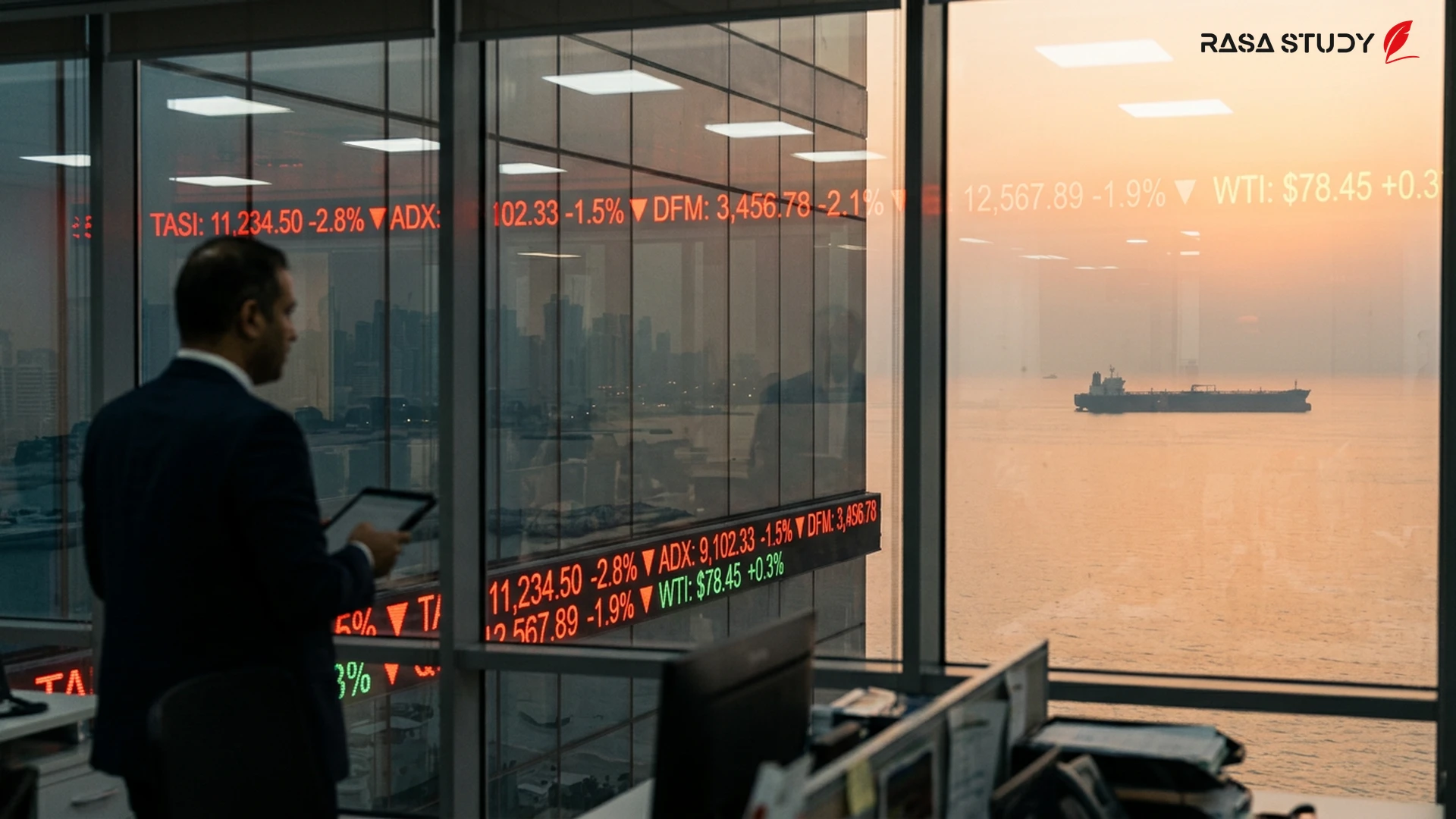
According to reports, the currency markets of Turkey and the Persian Gulf countries have reacted swiftly to the "Iran tension" news. While the Iranian Rial is under inflationary and structural pressures, parallel markets have also faced increased demand for safe-haven currencies such as the Dollar and Euro [2]. Economic experts believe this psychological pressure in the market stems from fears of disruption in trade routes and reduced cross-border exchanges. Regional stock exchanges also saw a decline in indices during this morning's trading, indicating a temporary exit of capital from risky assets.
Impact on Global Oil and Energy Prices
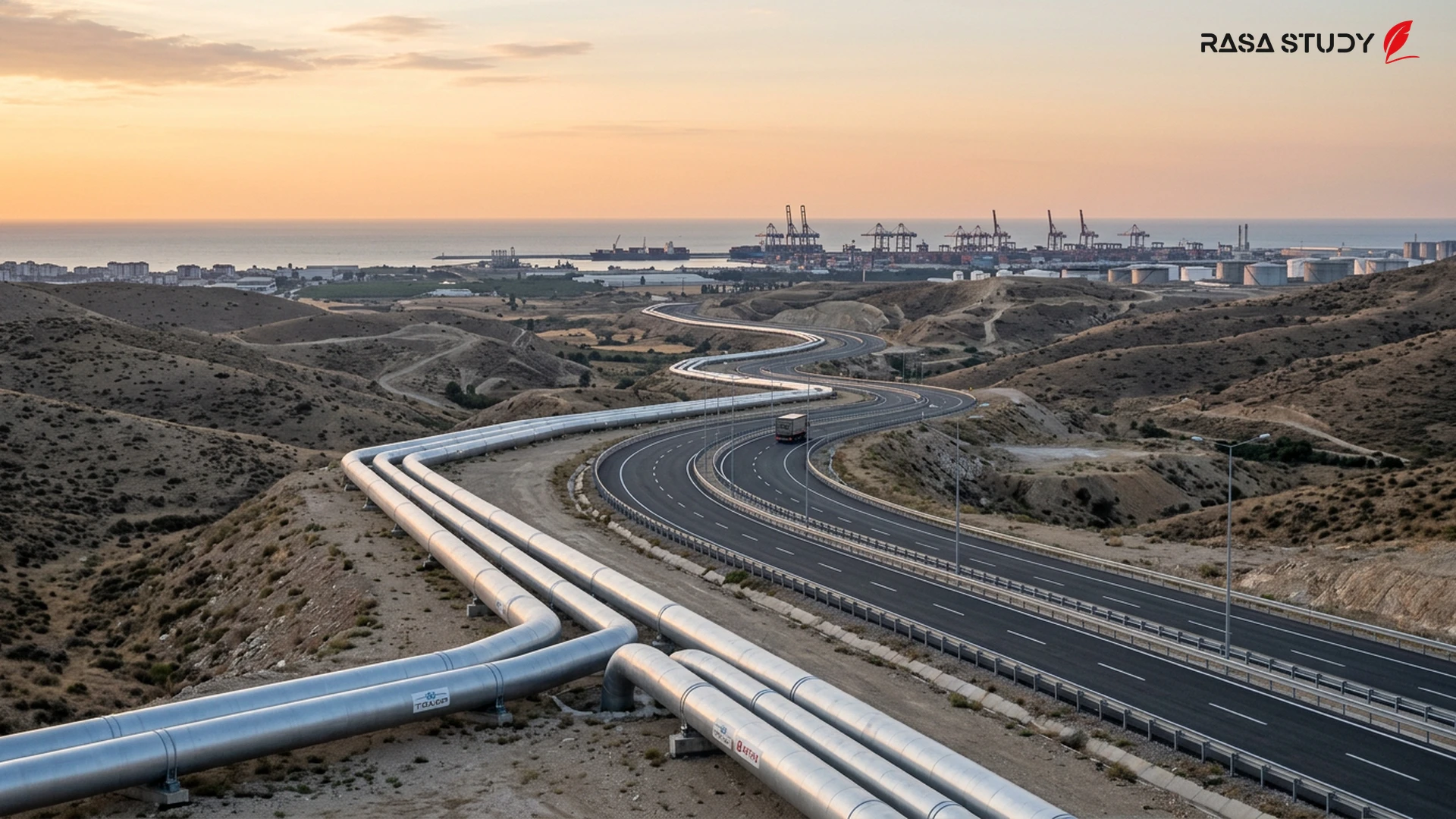
As a key player in the energy market, Iran has always played a decisive role in oil price fluctuations. With tensions rising in July 2026, crude oil prices in global markets have seen a growth of several percent. Traders are concerned that the continuation of this situation will lead to restrictions on oil supply through the Strait of Hormuz. This issue not only affects economies dependent on energy imports but has also increased international shipping costs [3].
Expert Forecasts for the Market Future
Analysts believe that if positive diplomatic signals are not issued in the coming days, markets may enter a period of stagflation. Stability in regional financial markets heavily depends on how the crisis is managed in Tehran and the reaction of global powers [1]. Currently, the main recommendation to retail shareholders is to remain calm and avoid emotional behavior in buying and selling assets, as history has shown that these tensions, if managed correctly, can be transitory [2].
Severe fluctuations in regional markets following news of new tensions in Iran.
linkSources
- Iran's presidential election heads to runoff between Pezeshkian and Jalili — Reuters (2024-06-29)
- Iran's economy stagnates ahead of presidential election — Al-Monitor (2024-06-25)
- Piyasada İran tansiyonu — Nefes Gazetesi (2026-07-01)