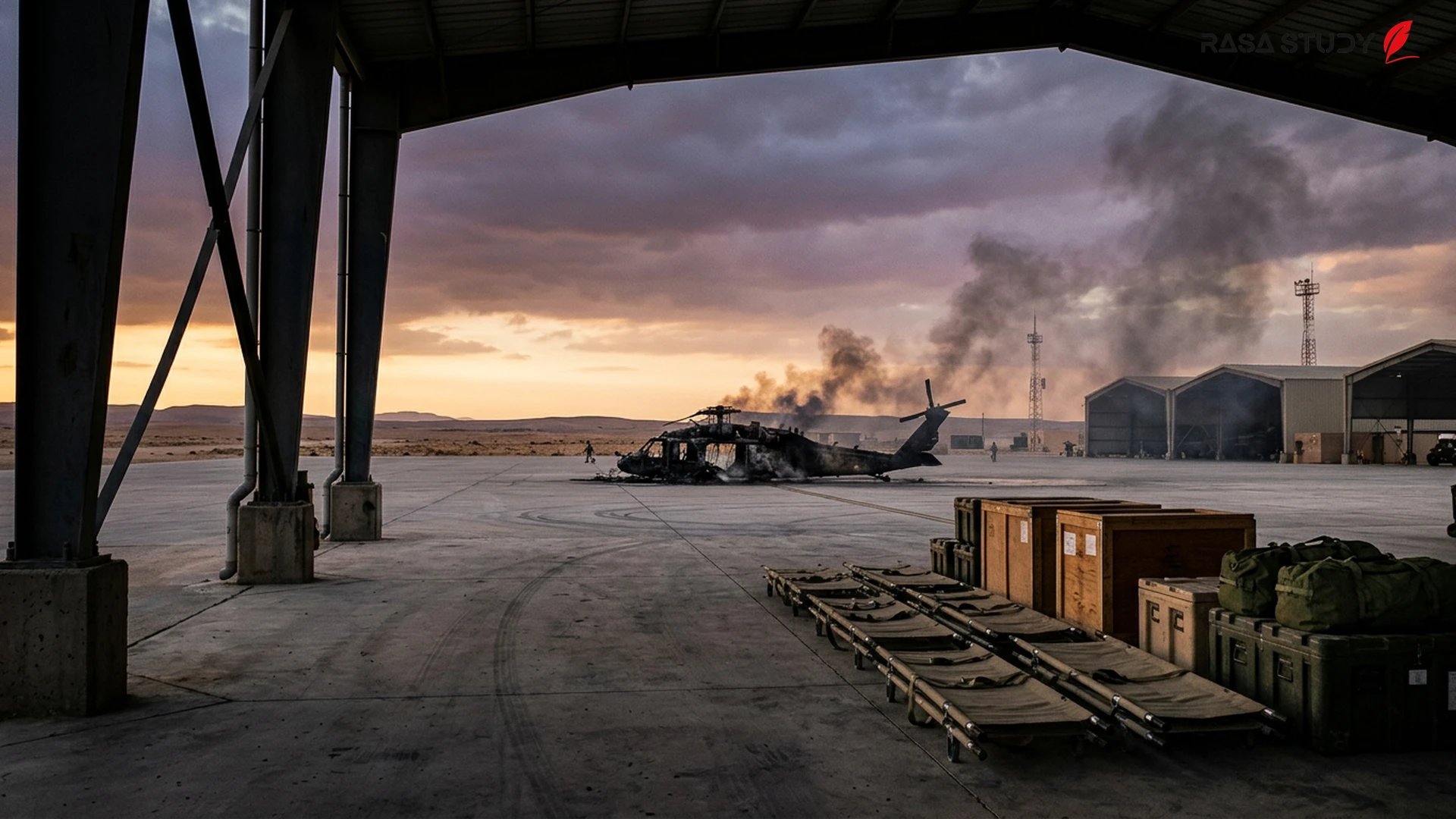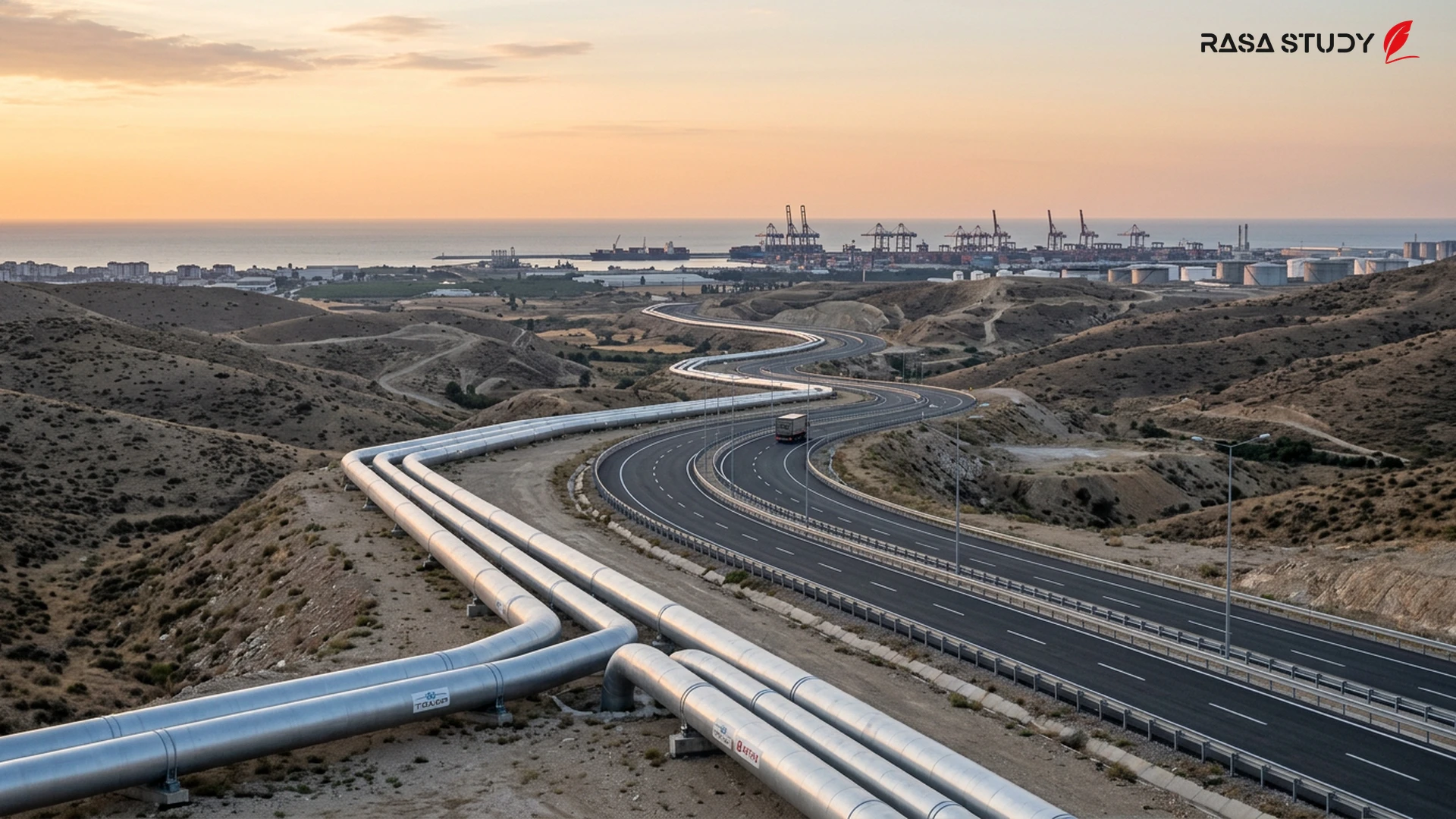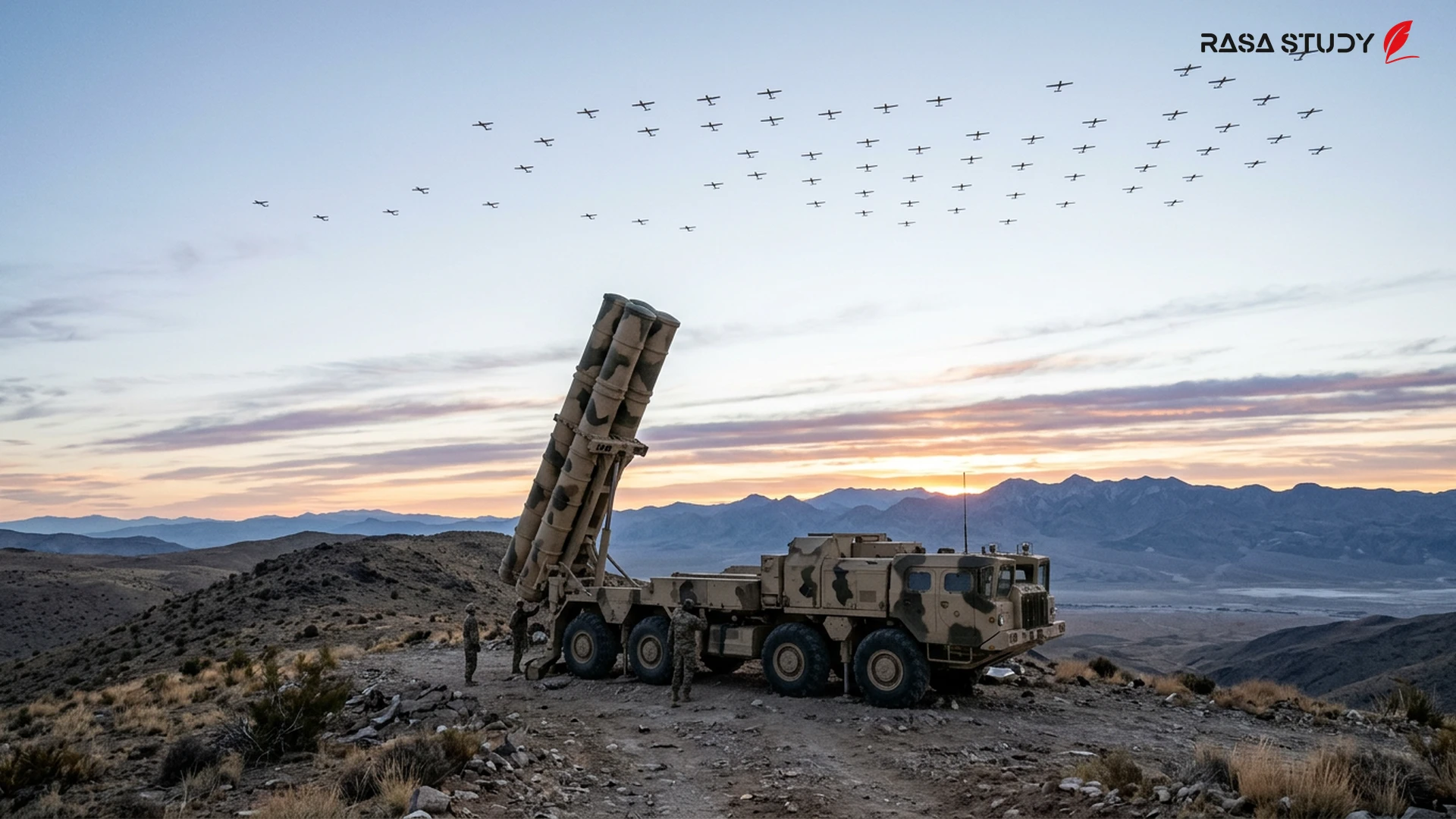
A prominent Syrian strategist, citing recent geopolitical shifts, announced that while Western nations remain in a state of strategic confusion, Iran's military and defensive readiness has reached its highest level.
Analysis of Iran's Defensive Readiness in 2026
As regional tensions reach their peak in July 2026, reports from military analysts indicate a significant leap in the defensive capabilities of the Islamic Republic of Iran. According to a report by the "Yakın Doğu Haber" news agency, a Syrian strategist emphasized that the Iranian armed forces are now in a state of "full readiness" [1]. This level of preparedness includes the modernization of missile systems, the strengthening of drone networks, and unprecedented coordination between conventional and asymmetric forces across the region.
This analyst believes that by closely monitoring international movements, Iran has managed to establish its deterrence in a way that makes any military action against it extremely costly for the opposing side. This readiness is not limited to Iran's geographical borders but also encompasses the country's strategic depth throughout the Axis of Resistance [2].
Confusion on the Western Front and the Decision-Making Crisis
In contrast, the report points to instability and uncertainty in the policies of Western countries. According to this Syrian source, Western capitals are currently facing a strategic identity crisis. Internal disputes within NATO and a lack of consensus on how to deal with new challenges in the Middle East have left the West in a state of political "coma" or confusion [1].
Many observers believe that domestic economic pressures and political shifts in Europe and the United States in 2026 have diminished these countries' ability to adopt a unified stance toward rapid regional developments. This gap in decision-making has created a space where regional powers like Iran have been able to seize the initiative [3].
Geopolitical Consequences for Regional Security
The confrontation between Iran's "maximum readiness" and Western "confusion" has shifted the balance of power in Summer 2026 in favor of local regional actors. Syrian strategists believe this situation could lead to a decline in traditional Western influence in the Eastern Mediterranean and the Persian Gulf. Relative stability on the Syrian and Yemeni battlefronts is also seen as evidence of the success of Iran's deterrence model against external pressures [2].
Ultimately, what matters at this juncture is Iran's ability to turn threats into strategic opportunities. While the West continues to review its old doctrines, Tehran, relying on domestic capabilities and regional alliances, has consolidated its position as an undeniable power [1][3].
Analysts believe Iran's military readiness has reached its highest level in recent decades.
linkSources
- Suriyeli stratejist: Batı kafa karışıklığı içindeyken, İran'ın hazırlık seviyesi en üst noktada — Yakın Doğu Haber (2026-07-05)
- Strategic Shifts in the Levant: Iran's Deterrence Power in 2026 — Al-Mayadeen (2026-07-06)
- Western Geopolitical Hesitation and Middle East Dynamics — Tehran Times (2026-07-04)