Israel's Channel 12 news reported in an urgent dispatch that Iran has agreed to a five-year suspension of its missile program within the framework of peace negotiations with the United States; a claim that has met with varying reactions.
New Details Revealed by Israeli Media As the Middle East stands on the brink of a major diplomatic shift, Israel's Channel 12 (Kanal 12) reported that Tehran agreed to a temporary five-year halt of its ballistic missile program during intensive negotiations to end recent conflicts [1]. This report, which has been widely reflected in international media, indicates a potential pivot in Iran's defensive stance in exchange for the full lifting of sanctions and the receipt of reconstruction aid [2].
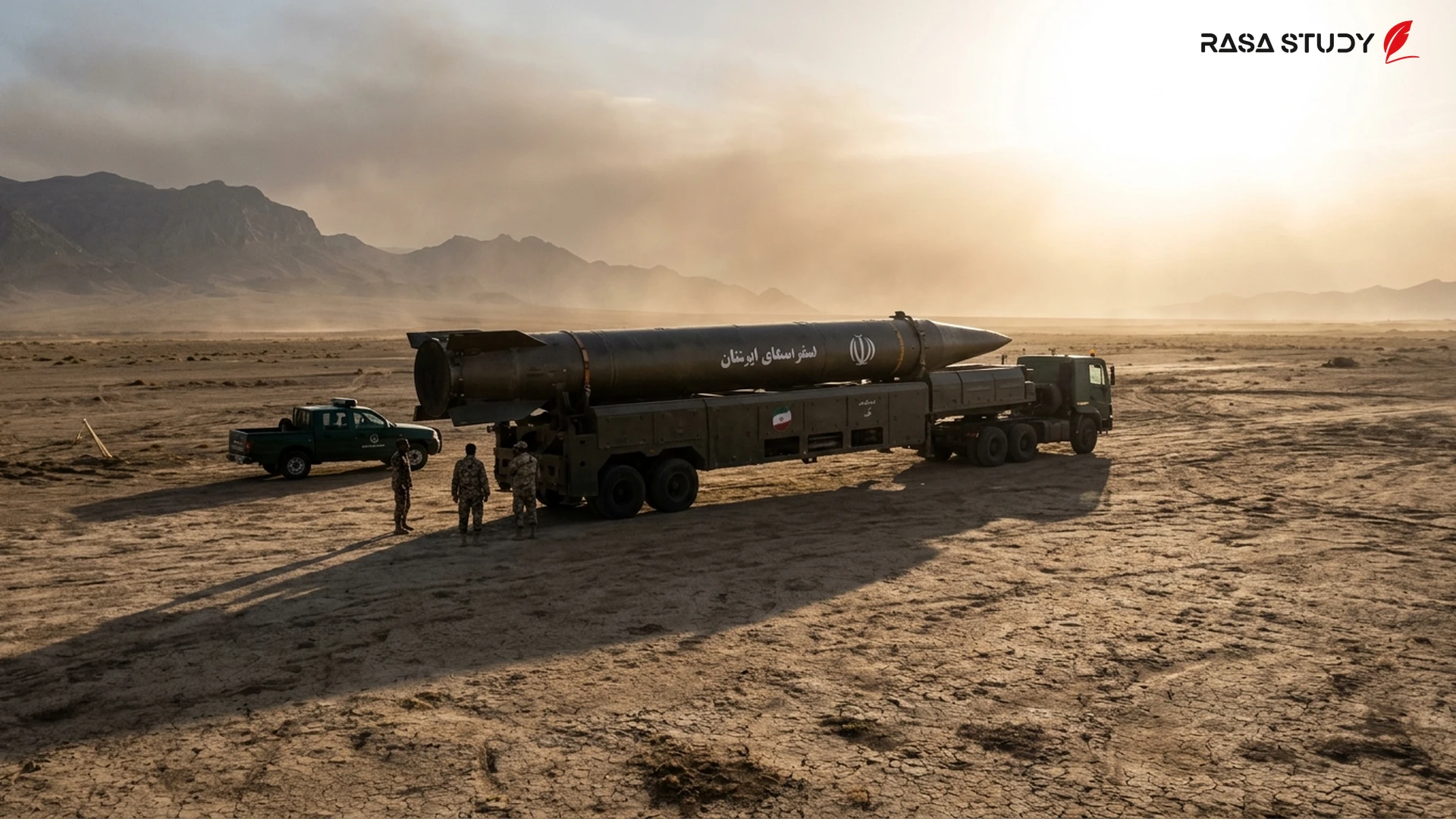
Conflicting Narratives: Red Line or Bargaining Chip? Despite the Israeli media reports, official sources in Tehran, including the IRNA and Mehr news agencies, have strongly denied any negotiations over missile capabilities. According to internal Iranian reports, the 14-point draft memorandum of understanding set to be signed between Tehran and Washington focuses solely on nuclear issues, the reopening of the Strait of Hormuz, and the lifting of oil sanctions [3]. Iranian officials have emphasized that the missile program remains a non-negotiable "red line" as a deterrent tool and has been removed from the final talk agenda [2][5].
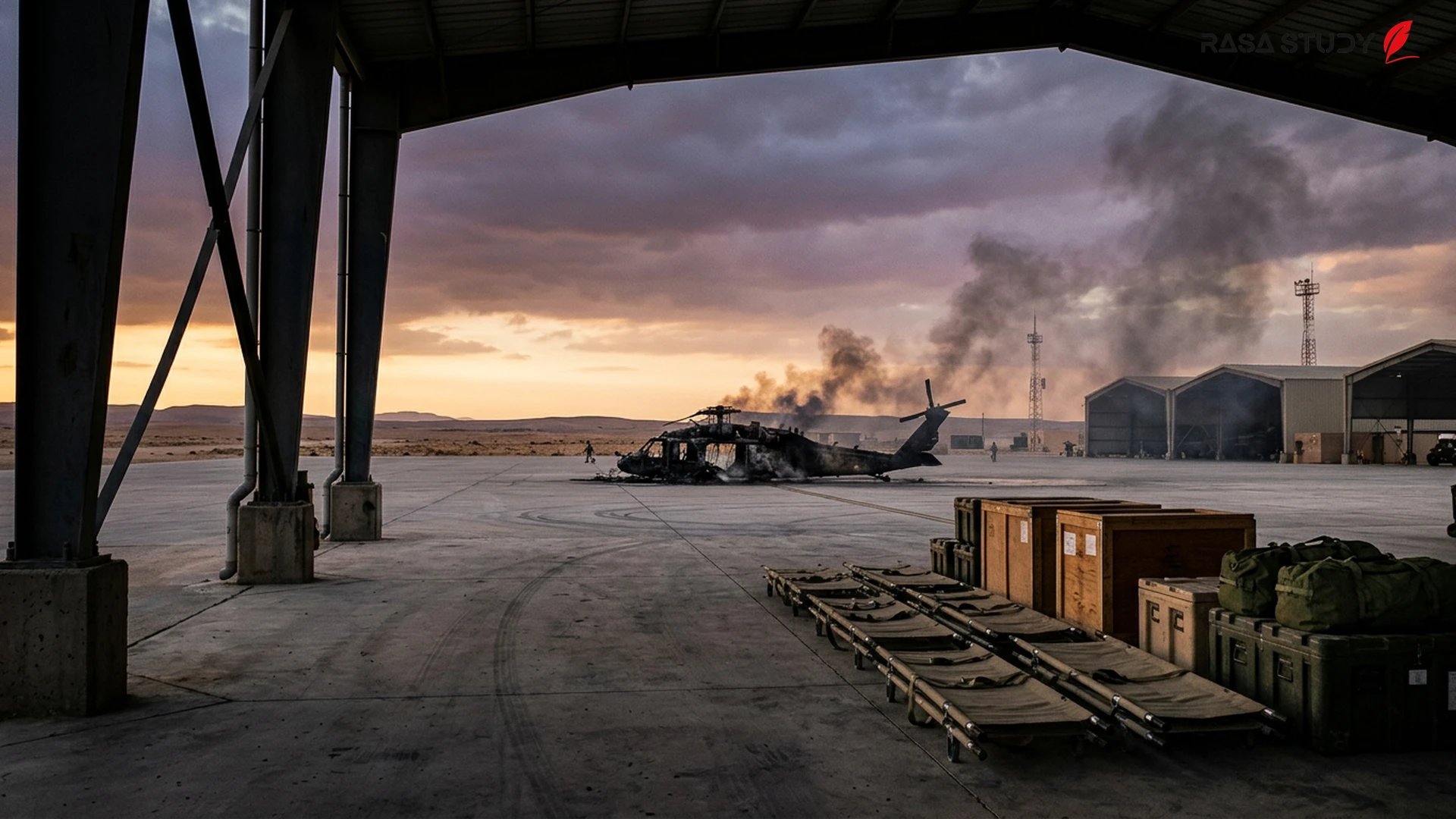
Historical Context: From the February War to the June Ceasefire These developments occur while the world is still reeling from the "2026 Iran War," which began on February 28 with massive US and Israeli airstrikes [4]. This conflict, which led to heavy infrastructure damage and the closure of the Strait of Hormuz, entered a fragile ceasefire phase last April [6]. Reports now indicate that US President Donald Trump is seeking to finalize a deal that includes the release of $24 billion in frozen Iranian assets and a $300 billion reconstruction plan in exchange for nuclear and maritime restrictions [3][8].
Israeli Pressure and Final Deal Ambiguities Israeli Prime Minister Benjamin Netanyahu, in repeated contacts with Washington, has demanded written guarantees for the complete dismantling of Iran's missile and nuclear capabilities [7]. However, analysts believe that the Channel 12 report regarding the five-year suspension may be part of a psychological operation or diplomatic pressure to force Tehran into a retreat in the final minutes of the Geneva negotiations [9]. While Trump speaks of approaching a "historic deal," the ambiguity surrounding the fate of Iran's ballistic missiles remains the largest obstacle to lasting stability in the region.
Unconfirmed reports of a possible 5-year suspension of Iran's missile activities within the framework of a new agreement.
linkSources
- İsrail medyası İran'ın füze programını durdurmayı kabul ettiğini iddia etti — Sözcü Gazetesi (2026-03-23)
- Iranian report: US will lift sanctions, release frozen funds in deal; missile program not up for discussion — The Times of Israel (2026-06-12)
- Missile capabilities excluded from proposed nuclear talks framework — IRNA (2026-06-12)
- 2026 Iran war | Explained, United States, Israel, Strait of Hormuz — Britannica (2026-06-12)