On July 12, 2026, as the Middle East faces an unprecedented military crisis, Iran's Ministry of Foreign Affairs issued an official statement denying requests for direct talks with the United States while emphasizing continued resistance against Washington's pressure.
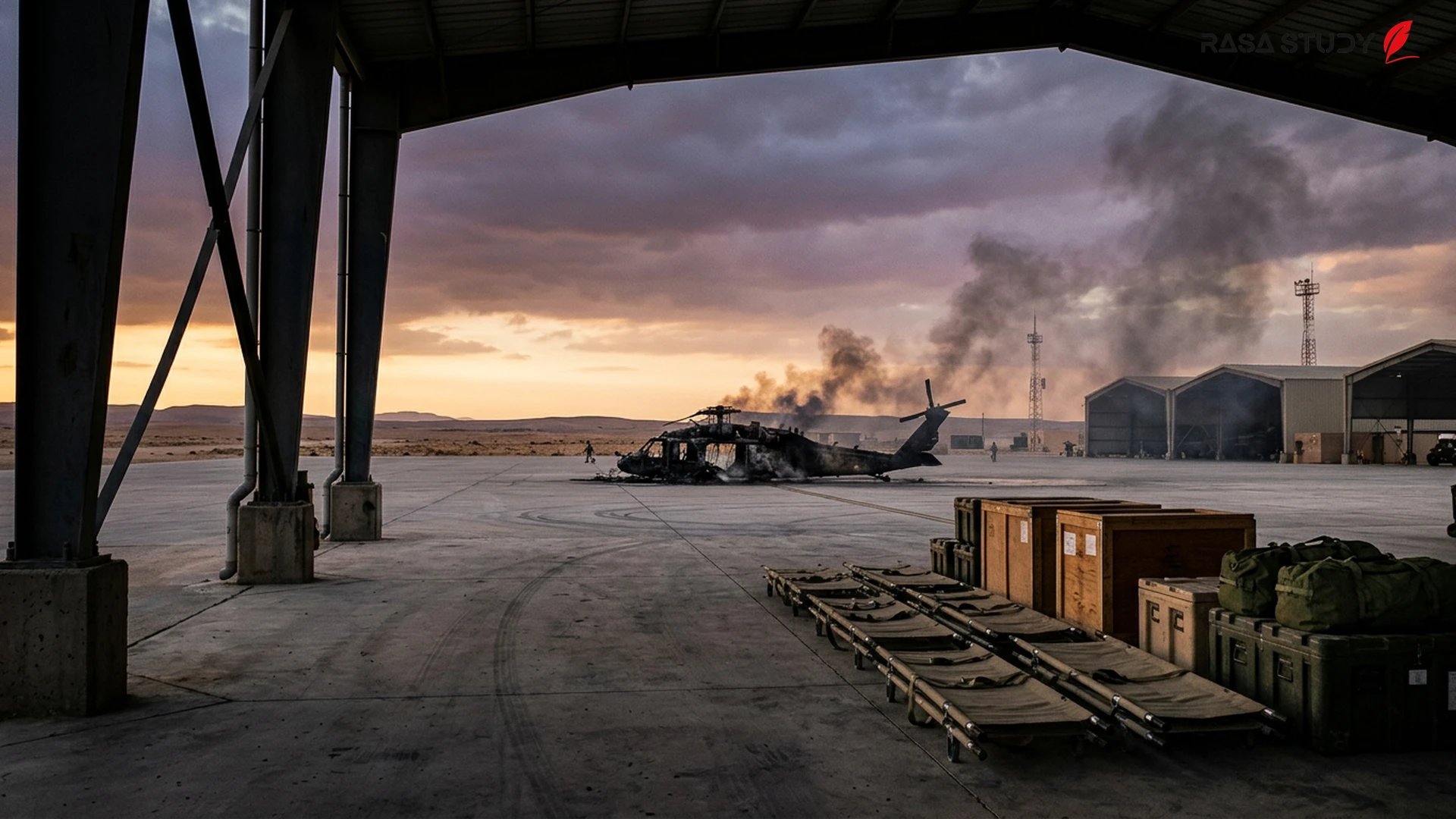
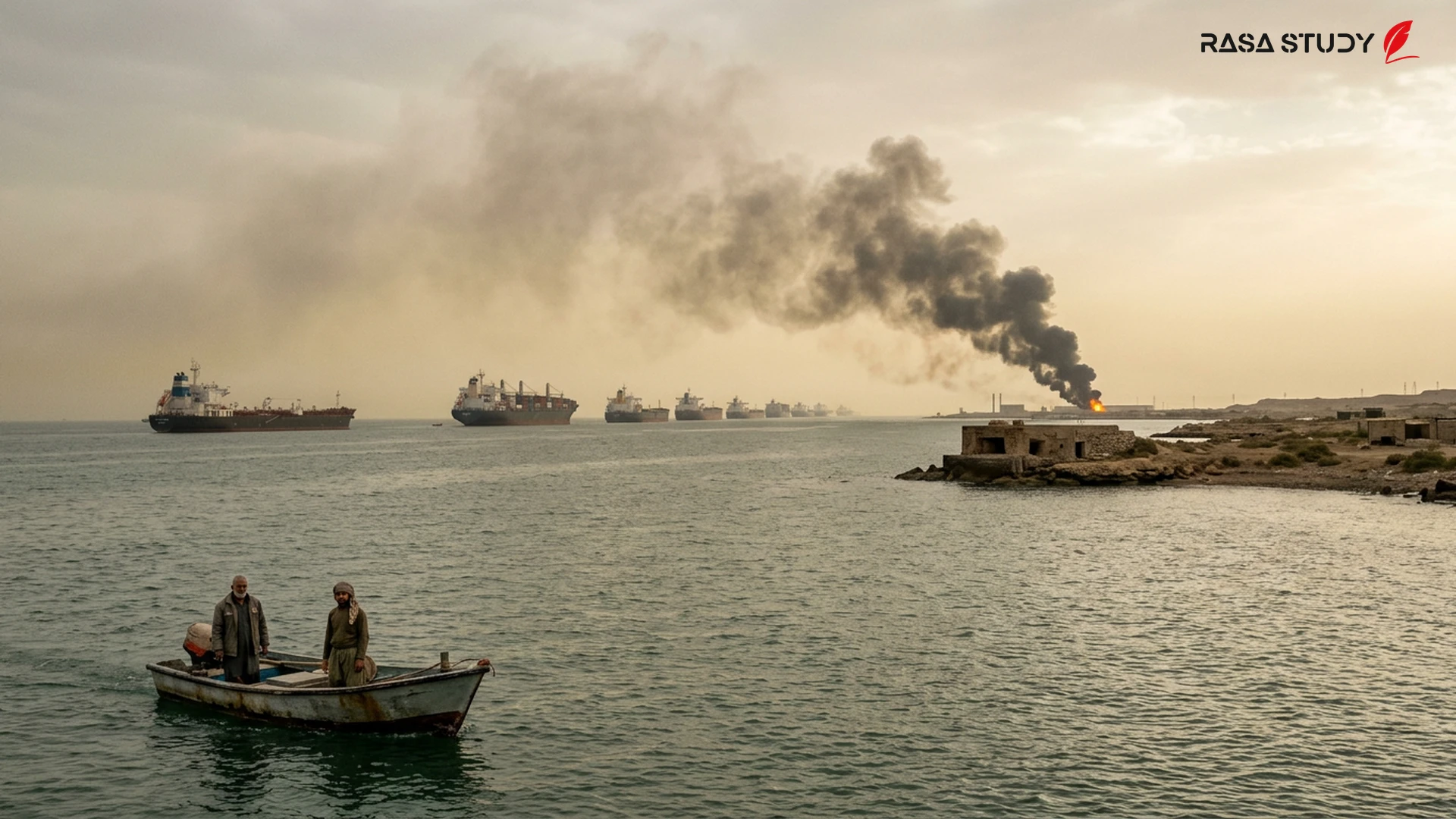
Escalation of Military Conflicts and Closure of the Strait of Hormuz The crisis in the Persian Gulf reached its peak in the early hours of July 12, 2026. After the Islamic Revolutionary Guard Corps targeted a Cyprus-flagged container ship in the Strait of Hormuz, it declared the strategic waterway closed until further notice [1]. In response, the United States Central Command (CENTCOM) conducted extensive strikes against 140 targets within Iranian territory, including missile sites, drone facilities, and communication networks [2]. These clashes occur despite the two countries having previously reached a Memorandum of Understanding in Islamabad in June, though both sides now accuse each other of violating its terms.
Denial of Direct Negotiation Request with Washington Esmaeil Baghaei, spokesperson for the Iranian Ministry of Foreign Affairs, strongly denied claims by Donald Trump regarding Tehran's request for dialogue [3]. He stated that Iran has made no request for direct negotiations with the United States and that Tehran's policy remains based on the principle of "commitment for commitment." Baghaei emphasized that Washington violated clauses 9 and 1 of the Islamabad MOU by imposing new sanctions and conducting military strikes [3]. However, he noted that Iran has not completely closed the path of diplomacy through regional mediators such as Qatar and Oman.
Legacy of New Leadership and Mutual Threats This crisis is also tied to internal developments in Iran. Ayatollah Mojtaba Khamenei, the new leader of the Islamic Republic, emphasized revenge for his father and predecessor in a statement, warning that this retaliation will be certain [1]. In response, Donald Trump declared in a sharp tone that "1,000 missiles are ready to fire" at Iran and that the United States is prepared to completely destroy Iranian infrastructure in the event of any assassination attempt against American officials [4]. This threatening atmosphere has further darkened the prospects for any lasting agreement.
Diplomatic Efforts in Muscat: The Last Window of Hope Despite the field conflicts, diplomatic activities continue behind the scenes. Abbas Araghchi, Iran's Foreign Minister, met with his Omani counterpart in Muscat to discuss mechanisms for the safe passage of ships through the Strait of Hormuz [5]. Reports indicate that Iran has offered proposals for managing maritime traffic through designated routes, but Washington insists on the full and unconditional reopening of the international waterway [4]. Analysts believe that without a tactical retreat from both sides, the region may enter a long-term war of attrition.
Military tensions in the Strait of Hormuz reached their highest level in 2026.
linkSources
- US Launches Fresh Strikes On Iran After Tehran Closes Strait Of Hormuz — Radio Free Europe/Radio Liberty (2026-07-12)
- Iran and the US exchanged fresh strikes early on Sunday over what Tehran said was unauthorised use of the strait of Hormuz — The Guardian (2026-07-12)
- İran'dan Trump'ın müzakere iddiasına yalanlama — Bloomberg HT (2026-07-11)
- Iran Update Special Report, July 11, 2026 — Institute for the Study of War (2026-07-11)
- President Pezeshkian warns against regional sabotage, stresses adherence to commitments — IRNA (2026-07-10)