Weeks after the signing of the ceasefire agreement and the end of bloody conflicts, the big question remains: how much does Iran under Mojtaba Khamenei's leadership differ from the pre-war era?
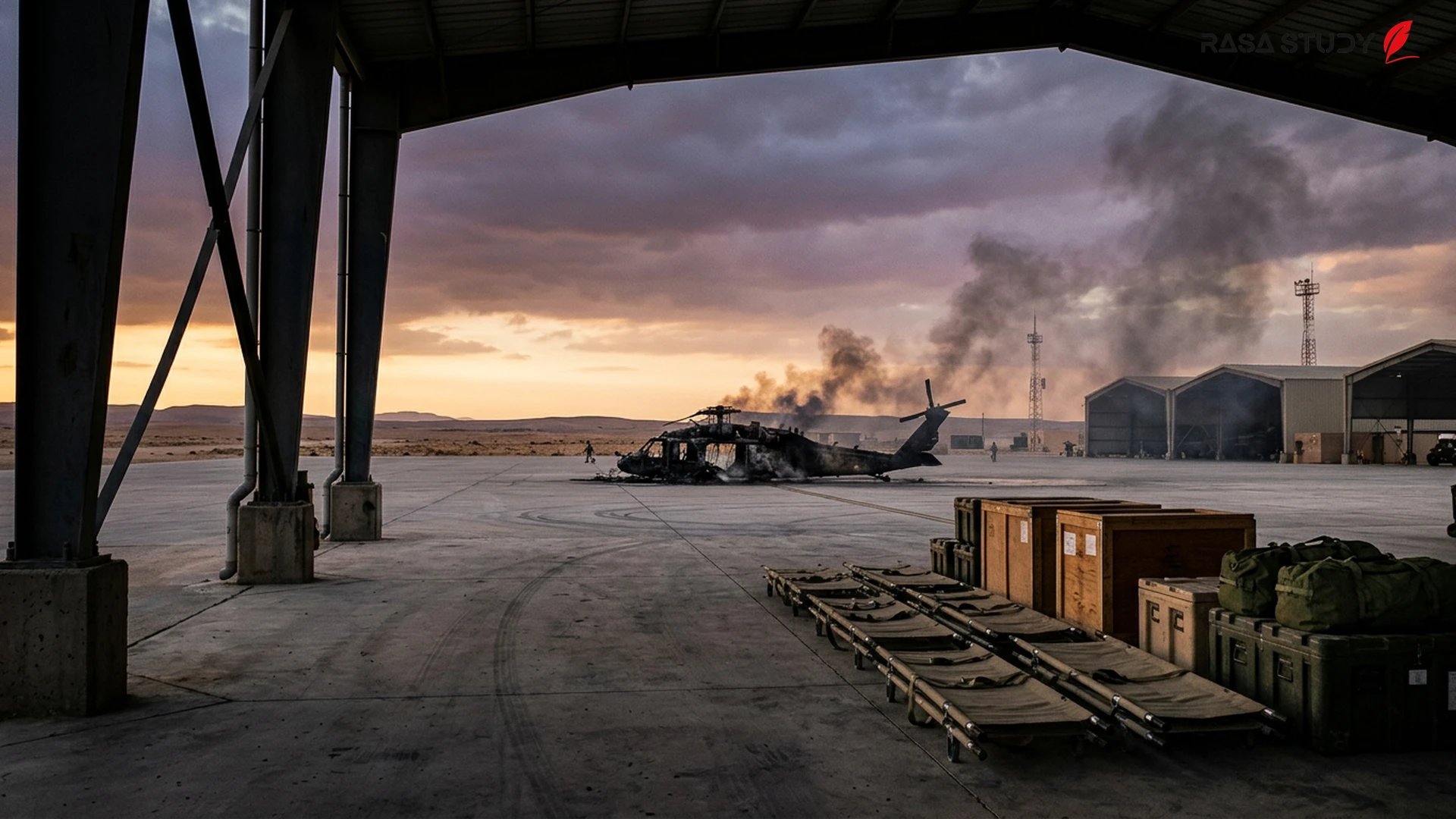
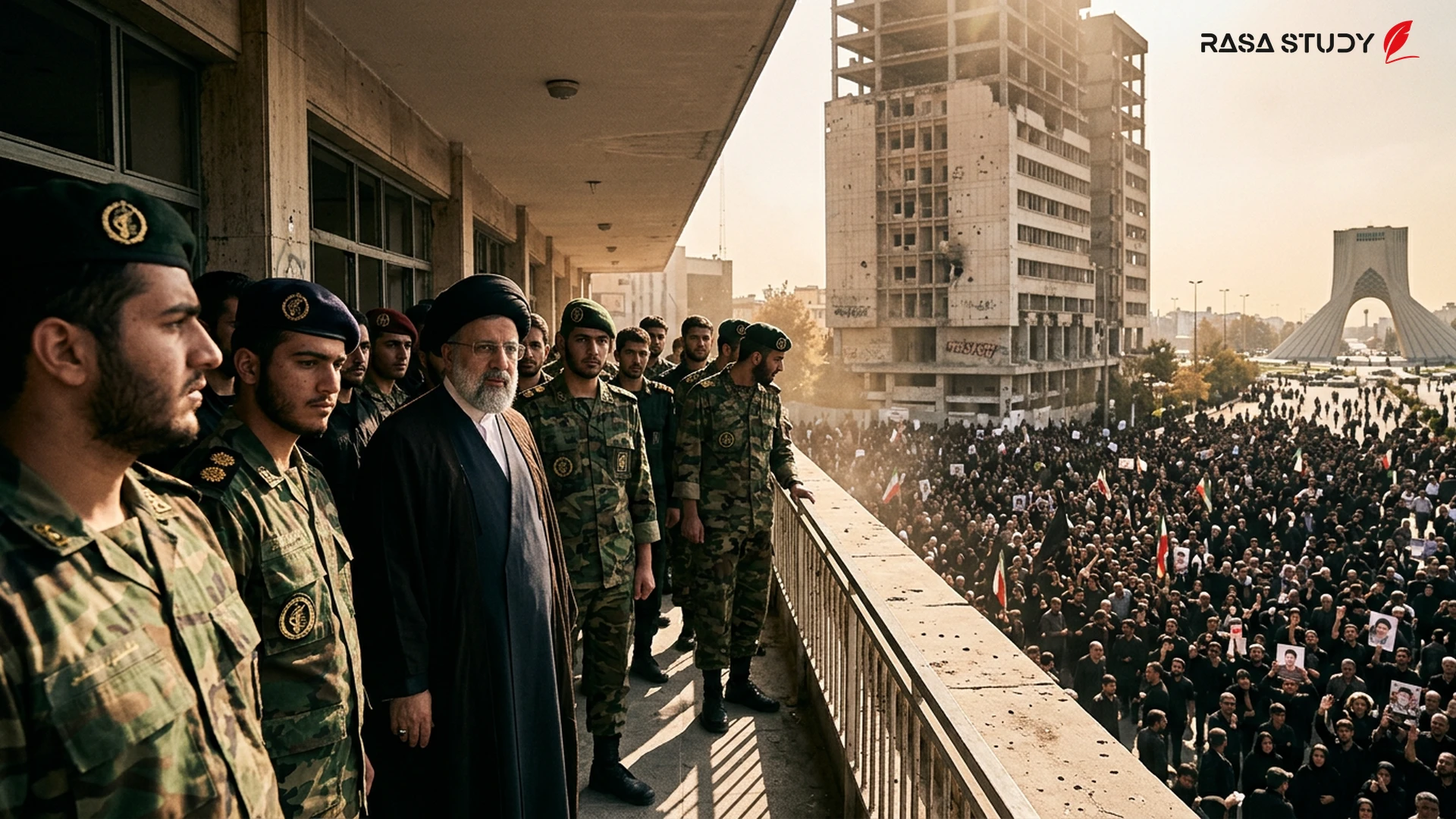
Today, July 5, 2026, as Tehran witnesses the official funeral of Ayatollah Ali Khamenei, Iran has entered a new phase of its political history. The short but devastating war that began on February 28, 2026, with massive US and Israeli strikes, has not only reshaped the region's military geography but also profoundly altered the power structure within the Islamic Republic [4].
The Rise of a New Generation in the Power Pyramid The death of Ali Khamenei in the first wave of airstrikes created a power vacuum that was quickly filled by his son, Mojtaba Khamenei. Contrary to Donald Trump's predictions of an immediate collapse of the system, the new regime did not fall; instead, it reconstructed its structure by relying on a new generation of Revolutionary Guard commanders such as Ahmad Vahidi [2]. BBC analysts believe this "new generation" has fundamental differences from its predecessors; they are younger, more skilled in using soft power tools, and simultaneously more ruthless in domestic suppression [1].
Failure of the "Regime Change" Strategy Although the operation known as "Epic Fury" dealt heavy blows to Iran's nuclear and military infrastructure, Washington's ultimate goal of regime change was not realized [4]. In fact, external pressure led to a "rally 'round the flag" effect in parts of society, especially after the Minab girls' school tragedy where 170 civilians lost their lives [3]. The new regime has now redefined itself as the protector of national sovereignty against foreign aggression, even though its domestic legitimacy was severely damaged by the suppression of the January 2026 protests [1].
Coercive Diplomacy and the Post-War Economy The recent agreement in Versailles indicates a pragmatic shift in Tehran's foreign policy. By accepting strict limits on the nuclear program in exchange for the release of billions of dollars in frozen assets, Mojtaba Khamenei demonstrated that he prioritizes the survival of the system over ideological ideals [2]. However, internal disputes between hardliners and pragmatists like Mohammad Bagher Ghalibaf over the management of reconstruction costs and control of the Strait of Hormuz continue [5].
A Society Waiting for Real Change While the regime claims victory and survival, social rifts appear deeper than ever. The shattered economy and war-induced inflation have pushed the middle class to the brink of destruction. Although the regime has shown tactical retreats in some social areas like the hijab due to the need to rebuild public trust, analysts warn that these changes may only be the "calm before the storm" [1].
Senior Iranian officials at the funeral of Ali Khamenei, July 5, 2026
linkSources
- İran'ın yeni rejimi savaş öncesinden ne kadar farklı? — BBC Türkçe / Haberler (2026-07-05)
- Iran’s regime has emerged emboldened, contradicting Trump’s claim — Washington Post (2026-07-04)
- After the war, Iran's rulers face their biggest question — Iran International (2026-07-04)
- Operation Epic Fury and the 2026 Iran War — Britannica (2026-07-02)
- Iran Update Special Report: July 4, 2026 — ISW (2026-07-04)