In an unprecedented diplomatic development on June 14, 2026, Iran and the United States reached an understanding on a draft agreement under which Tehran renounces the pursuit of nuclear weapons and the Strait of Hormuz is immediately reopened.
Today, June 14, 2026, the Middle East region is witnessing one of the largest diplomatic shifts in recent decades. According to reports published by reputable media outlets, including the newspaper "Yeni Akit," Iran and the United States have reached a historic agreement that could end months of military conflict and an energy crisis [1]. This agreement, achieved through the mediation of Pakistan, includes an explicit commitment by Tehran to stop its military nuclear program and the immediate reopening of the Strait of Hormuz to global trade [3].
End of the Nuclear Deadlock and Tehran's New Commitments According to leaked details from the draft "Islamabad Memorandum of Understanding," Iran has committed to refraining from producing or acquiring nuclear weapons [2]. A senior Iranian official told Reuters that Tehran has agreed to dilute its stockpiles of highly enriched uranium and maintain the status quo at its nuclear facilities until a final agreement is reached [3]. This strategic retreat is a response to heavy international pressure and military conflicts over the past three months that had brought the region to the brink of an all-out war [5].
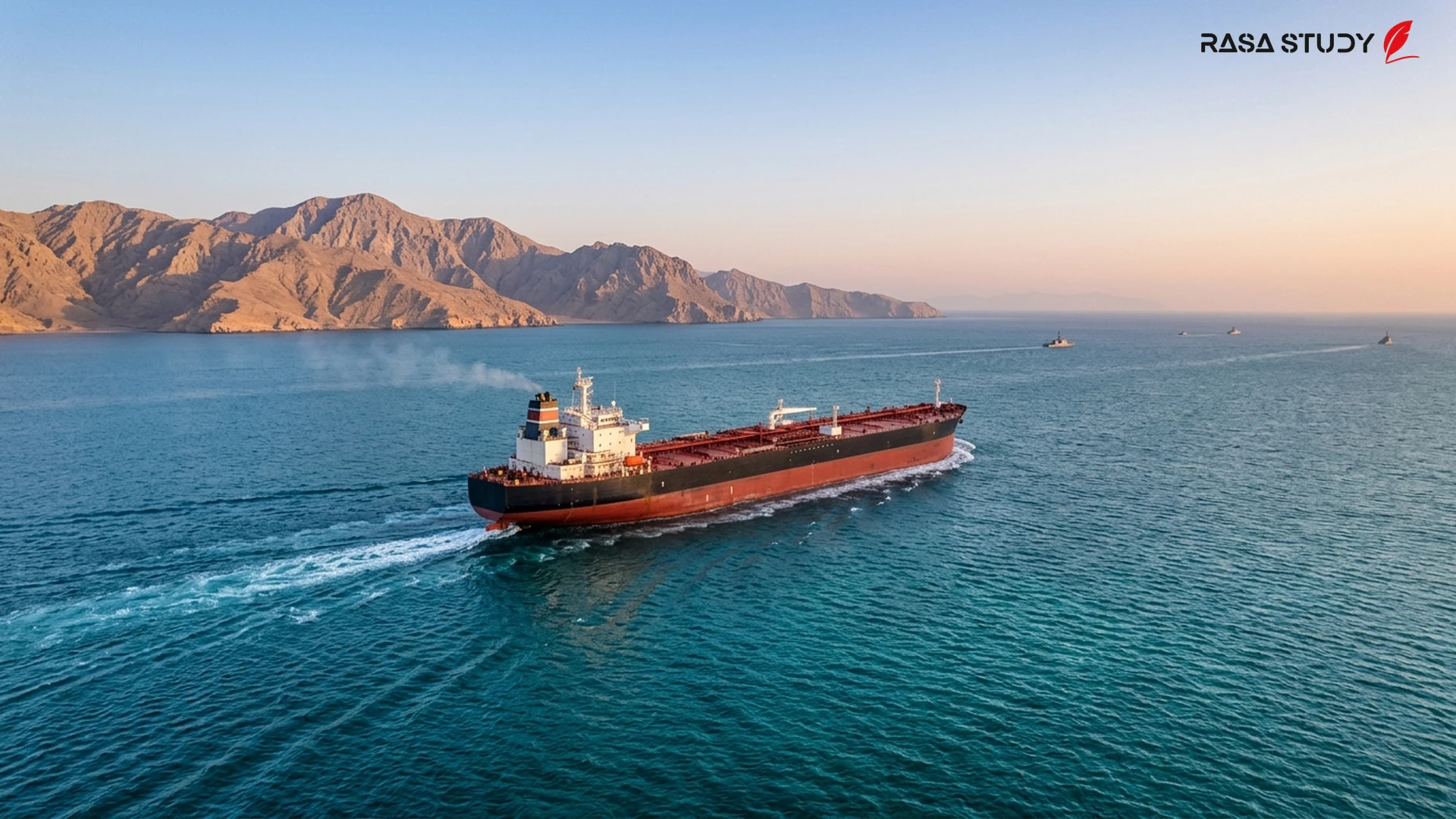
Reopening the World's Vital Energy Artery One of the most important clauses of this agreement is the immediate reopening of the Strait of Hormuz. This vital waterway, through which approximately 25 percent of the world's maritime oil trade passes, had been effectively blocked since February 2026 following the start of hostilities [5]. Under the new agreement, Iran has committed to lifting all restrictions on commercial shipping, and in return, the United States will end the naval blockade of Iranian ports [3]. This news immediately caused a drop in global oil prices and a rise in stock indices in international markets [4].
Economic Concessions and Release of Assets In exchange for these major steps, the United States has agreed to release $25 billion of Iran's frozen assets [2]. Additionally, Washington has granted special oil waivers for a specific period so that Tehran can resume its oil exports and recover its foreign exchange earnings [3]. The agreement also includes a halt to the imposition of new sanctions against Iran until negotiations are finalized within a 60-day window [4].
Political Dimensions and Trump's Role U.S. President Donald Trump has called this agreement a major victory for his diplomacy and announced that the final document will be signed today [1]. However, some news sources in Tehran have pointed to the coincidence of this announcement with Trump's 80th birthday, viewing it as part of a political maneuver [1]. Despite these side issues, international observers believe that this agreement, regardless of political motives, could be the end of the bloody 2026 crisis in the Persian Gulf [5].
The Strait of Hormuz reopened to global trade following the historic June 14, 2026 agreement after three months of naval blockade.
linkSources
- Orta Doğu’da tarihi gün: İran nükleerden vazgeçti! Hürmüz Boğazı herkese açılıyor — Yeni Akit Gazetesi (2026-06-14)
- Senior Iranian official: Deal draft says Tehran won't produce or acquire nuclear weapons — The Times of Israel (2026-06-14)
- Iran says draft US deal includes oil sanctions waiver, nuclear limits and asset release — The Business Times (2026-06-14)
- Iran's foreign minister details proposed memorandum with US — Anadolu Ajansı (2026-06-12)
- 2026 Strait of Hormuz crisis — Wikipedia (2026-06-14)