Given Iran's shared borders with Central Asia, Tehran's macro policies directly affect the stability and development of the region's Turkic-speaking countries; a subject that has become the main axis of regional diplomacy in July 2026.
Iran's Geopolitical Importance for the Turkic World Iran, as a bridge between Central Asia and open waters, plays a vital role in the political and economic equations of Turkic-speaking countries. Iran's long borders with Turkmenistan and its historical ties with Uzbekistan and Kazakhstan mean that any change in Tehran's domestic and foreign policies reflects quickly in the capitals of these countries. In recent months, especially following the military tensions known as the "Ramadan War" in early 2026, member states of the Organization of Turkic States (OTS) have been following developments in Iran with greater sensitivity [4].
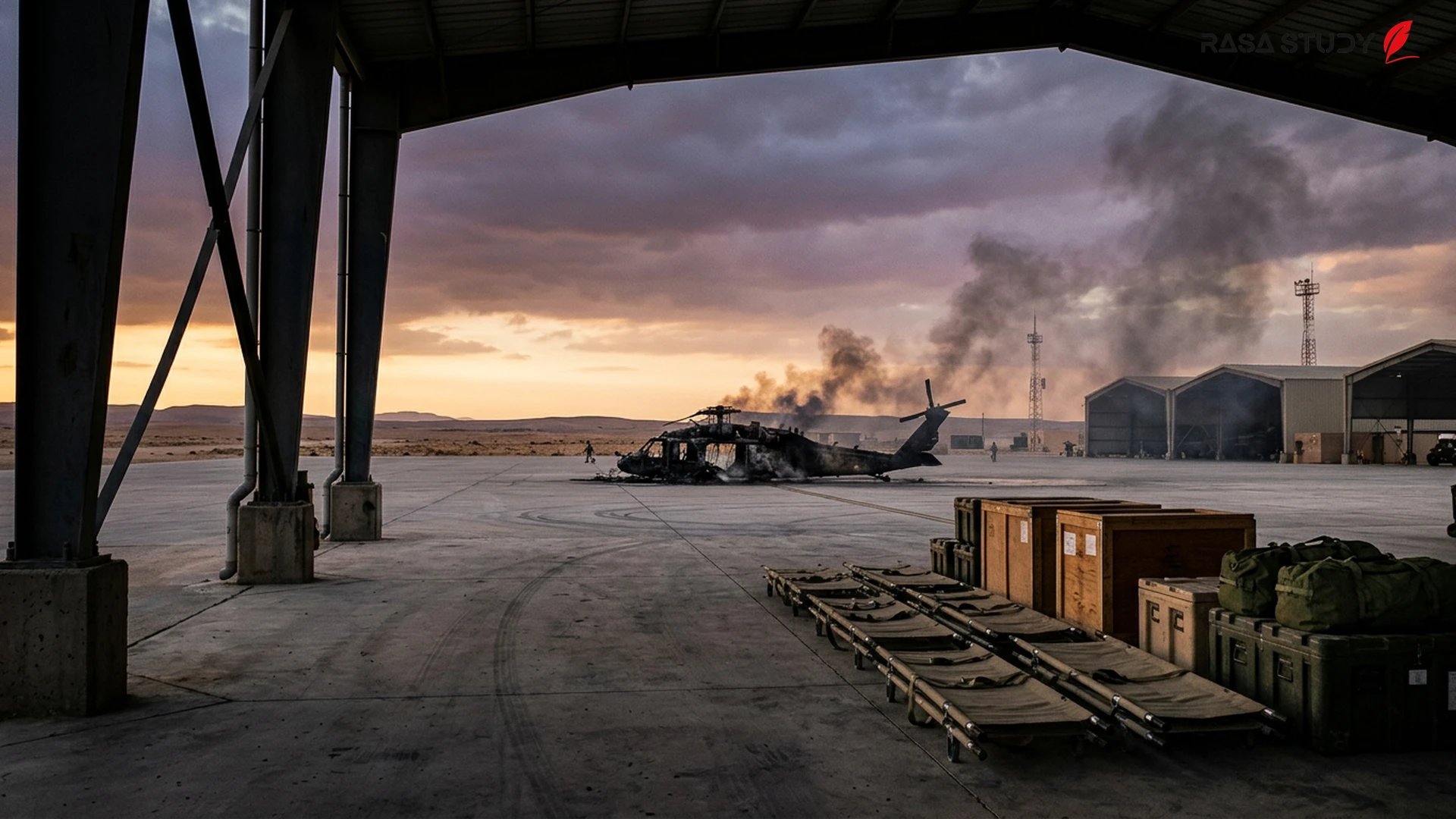
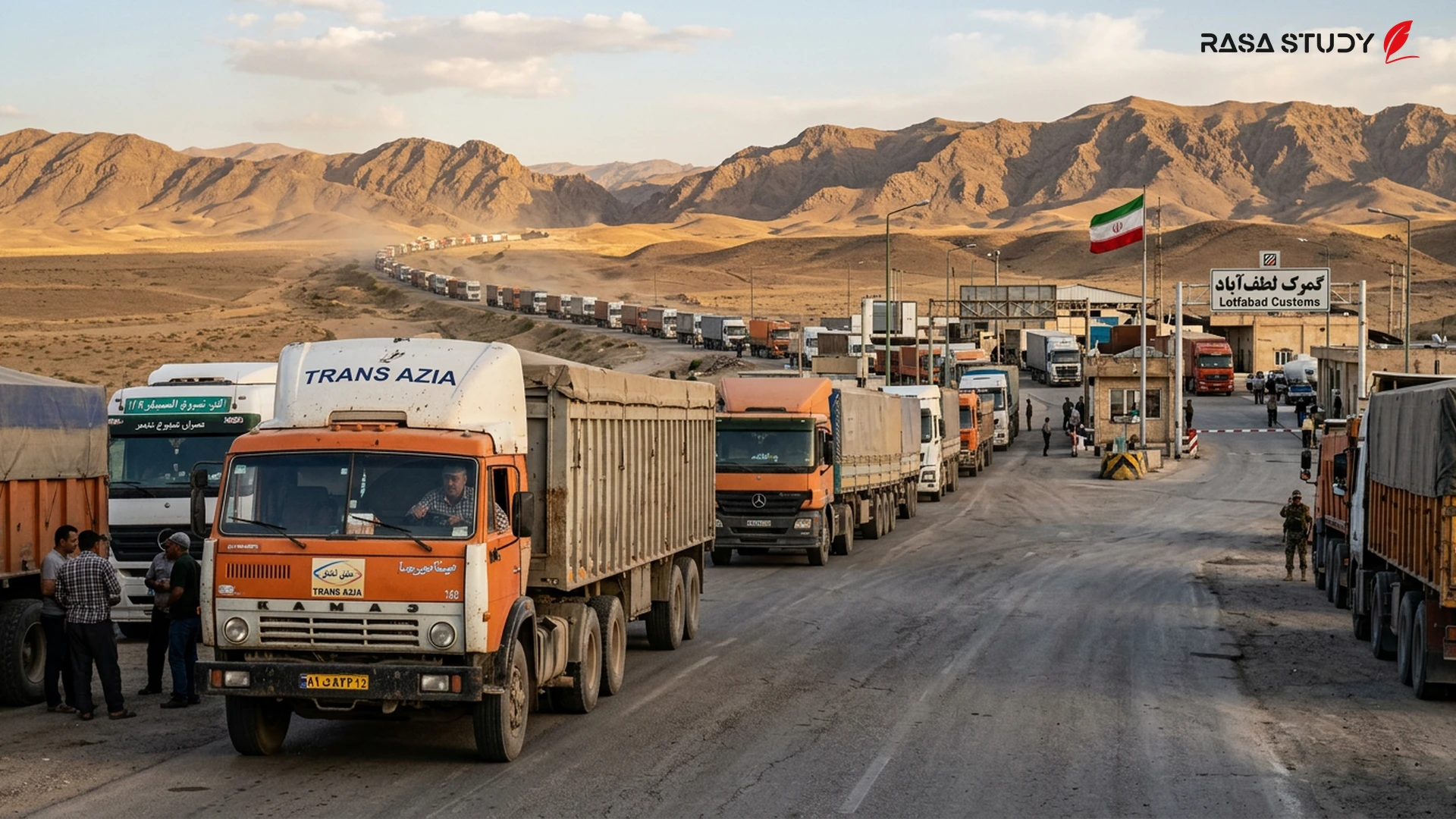
Economic Consequences of the 2026 Tensions on Central Asia Recent crises in the Persian Gulf and the temporary closure of the Strait of Hormuz have had devastating effects on the landlocked economies of Central Asia. Economic reports show that inflation in the region reached 8.1% in February 2026, caused by disruptions in Iranian transit routes [2]. Turkic-speaking countries, which depend on Iranian territory to access global markets, now face the challenge of increased logistics costs. However, in recent days (July 1, 2026), business leaders in Tehran and Ankara emphasized strengthening logistics infrastructure and restoring private sector confidence to overcome this crisis [3].
Active Diplomacy of Turkic Countries Toward Tehran While today, July 2, 2026, indirect technical negotiations between Iran and the United States continue in Doha to stabilize recent agreements [5], Central Asian countries are playing the role of mediators and supporters of stability. Bakhtiyor Saidov, the Foreign Minister of Uzbekistan, recently emphasized Tashkent's support for diplomatic efforts to reduce tensions in a conversation with his Iranian counterpart [1]. This approach demonstrates a deep understanding by Turkic countries that their security is tied to stability on their southern borders.
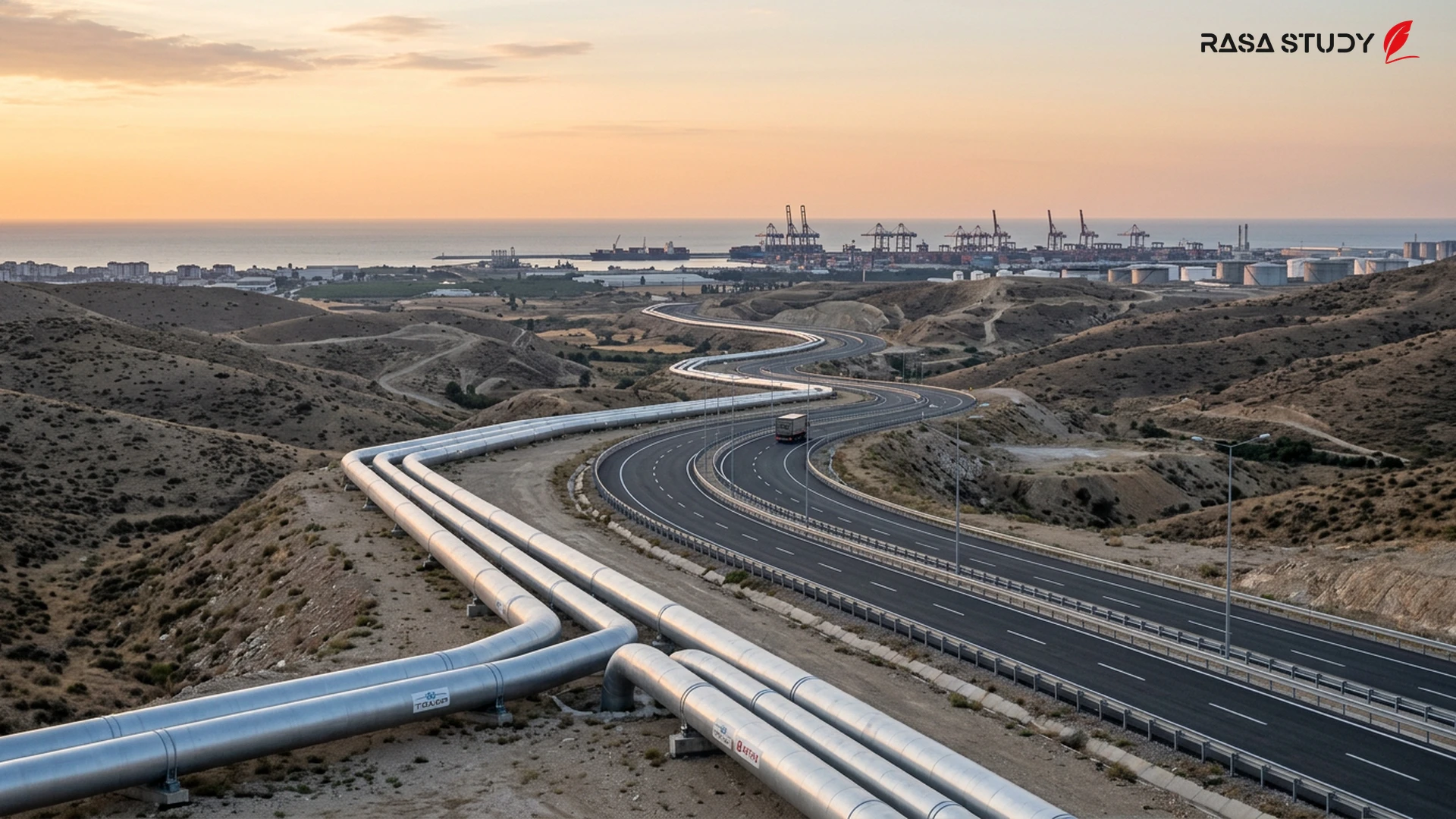
Alternative Corridors and Regional Competitions The instabilities of the first half of 2026 have prompted the Organization of Turkic States to consider strengthening alternative routes such as the "Middle Corridor." While Iran remains a key route, projects like the "Trump Route" (TRIPP), which passes through Armenia, have been proposed as a solution to reduce absolute dependence on traditional routes [4]. However, geographical realities show that removing Iran from Central Asian transit equations is practically impossible, and engagement with Tehran's policies will remain the top priority for Turkic-speaking countries.
Shared borders and transit corridors have made Iran an indispensable player in the policies of Turkic countries.
linkSources
- Uzbekistan reaffirms support for diplomacy in talks with Iran — Trend News Agency (2026-06-27)
- Iran War Threatens Gulf Investment Boom In Central Asia — Eurasia Review (2026-05-14)
- Business leaders call for stronger logistics, private-sector trust — Tehran Times (2026-07-01)
- 5 Turkic states urgently convene over Iran — Modern.az (2026-03-07)
- Daily Memo: Iran Update, Kazakhstan's New Constitution — Geopolitical Futures (2026-07-01)