As the world watches in shock at the flare-up of conflicts in the Persian Gulf and the Caucasus, a new note in the Milli Gazete newspaper titled "Iran Was a Possibility That Came True" has sounded the alarm for a change in the regional order.
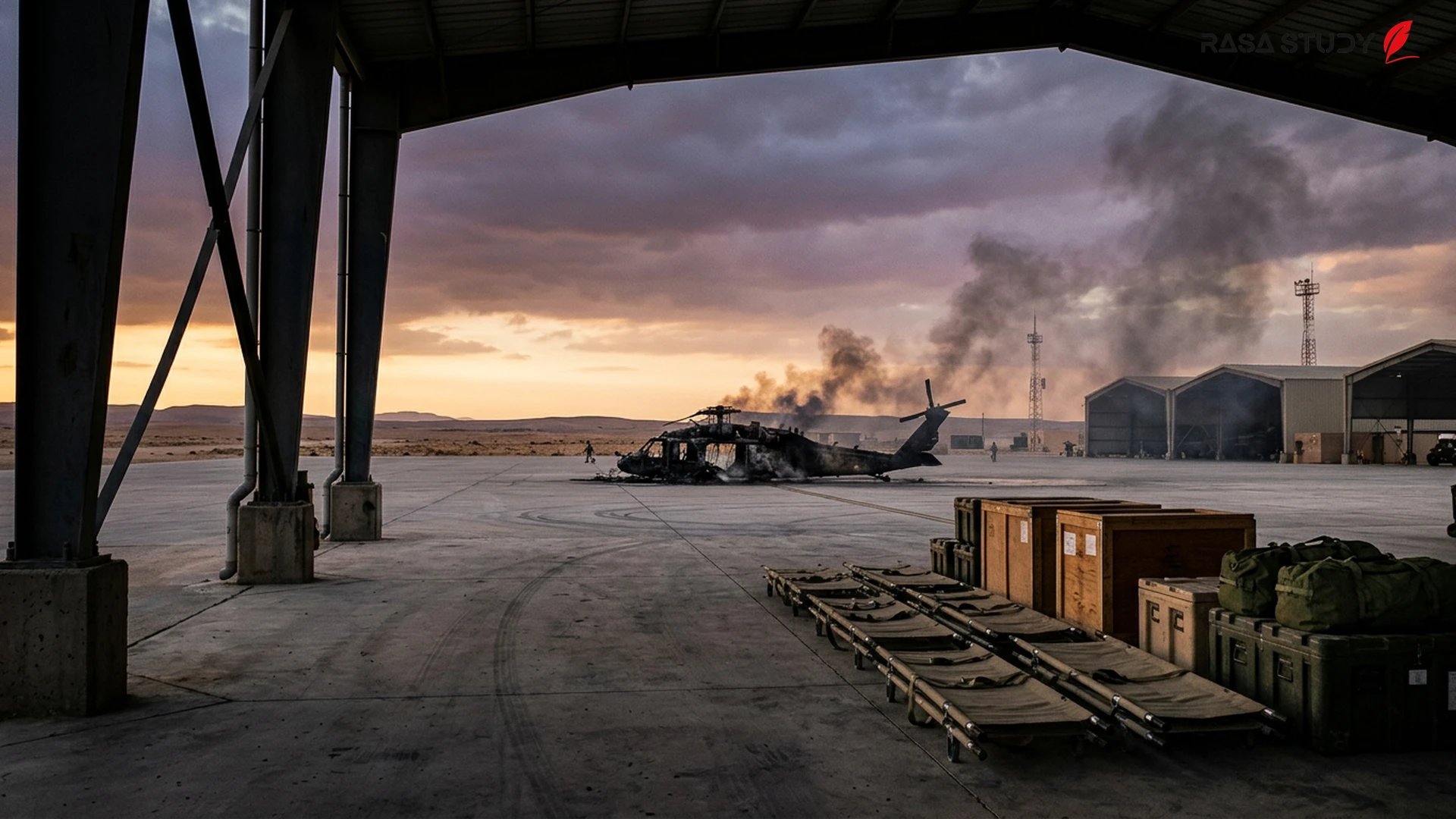
A Bitter Prediction Realized: Attack on Iran On June 13, 2026, a note by Cafer Keklikçi was published in the Turkish newspaper "Milli Gazete," which had a wide impact on the region's political circles. In this article titled "Iran Was a Possibility That Came True," Keklikçi points to the fact that US military attacks on Iran, which until recently seemed like a remote possibility, have now become a field reality [1]. According to reports, the United States and Israel have carried out heavy airstrikes against various targets in Iran in recent days, resulting in significant human casualties [1.2.1].
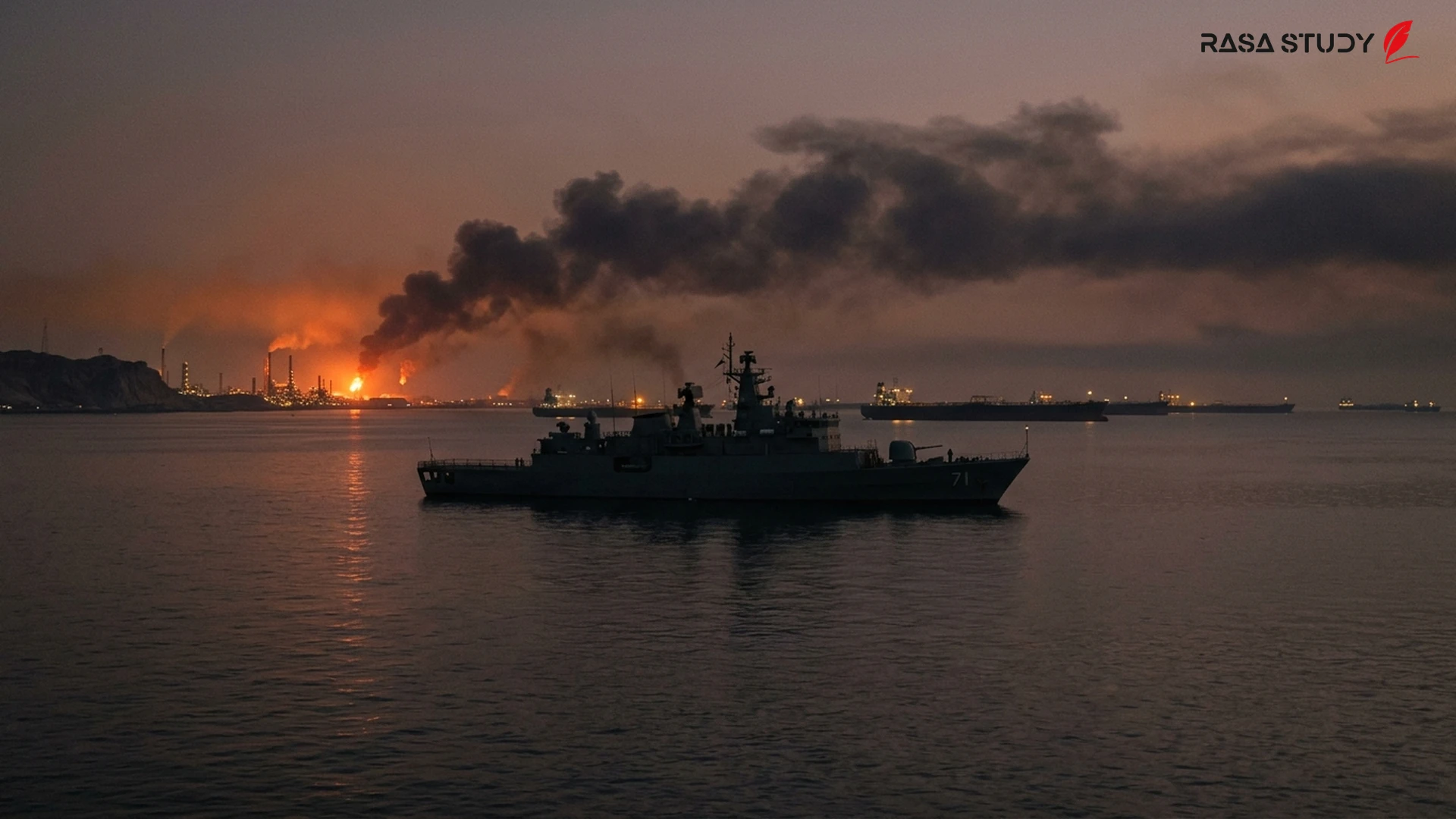
Closure of the Strait of Hormuz and Global Trade Paralysis In response to these aggressions, the Iranian military officially announced on June 11, 2026, that it had completely closed the Strait of Hormuz to all shipping activities, including oil tankers and commercial vessels [3.9]. This action, which followed US attacks on Hormuzgan Province, immediately affected global energy markets. Given that approximately 25% of the world's maritime oil trade passes through this vital waterway, oil prices experienced severe fluctuations in global markets [1.3.1].
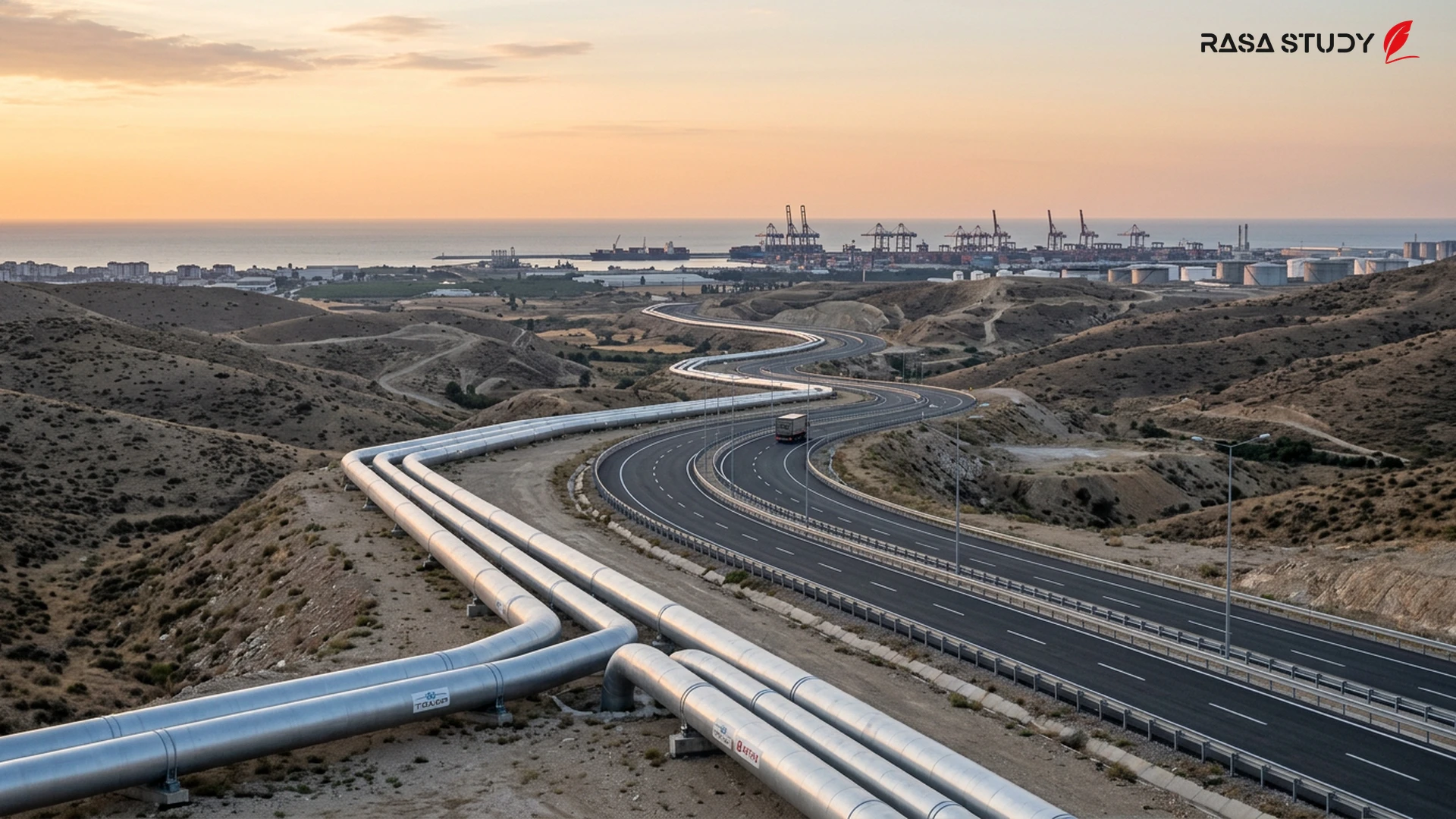
Zangezur Corridor and the "Trump Route": The Northern Front Simultaneously with the conflicts in the south, tensions on Iran's northern borders have also reached their peak. Reports published in June 2026 indicate that an agreement between Armenia and the United States has been finalized to establish a project known as the "Trump Route" (TRIPP), which hands over the management of a major part of the Zangezur Corridor to American companies [1.4.6]. Iran has repeatedly warned that it will not tolerate any change in the geographical borders of the South Caucasus and considers this project a direct threat to its national security and transit connection to Europe [5].
Peace Agreement or Diplomatic Deadlock? Amidst these flames of war, US President Donald Trump has claimed that a document for a "Grand Settlement" of the war with Iran is being finalized [4]. The draft of this agreement includes the lifting of oil sanctions, the release of billions of dollars of frozen Iranian assets, and the reopening of the Strait of Hormuz within 30 days [2]. However, Iranian state media have emphasized that Tehran will not accept any commitment to relinquish strategic management of the Strait of Hormuz or retreat from its sovereign rights [1.3.5]. The current situation indicates an all-out confrontation that could change the geopolitical future of the region for decades.
The Strait of Hormuz and Iran's northern borders have become the main focal points of international tensions in June 2026.
linkSources
- İran İhtimaldi Gerçekleşti — Milli Gazete (2026-06-13)
- Proposed Iran-U.S. deal would reopen Hormuz strait and lift oil sanctions — CNBC Africa (2026-06-12)
- Iran Declares Full Closure of Strait of Hormuz Following US Attack — Tempo.co (2026-06-11)
- Trump: The agreement with Iran will be signed in Europe — Modern.az (2026-06-11)
- سفیر ایران در گرجستان: تهران اجازه تغییر مرزهای جغرافیایی را در قفقاز نخواهد داد — IRNA (2026-06-12)