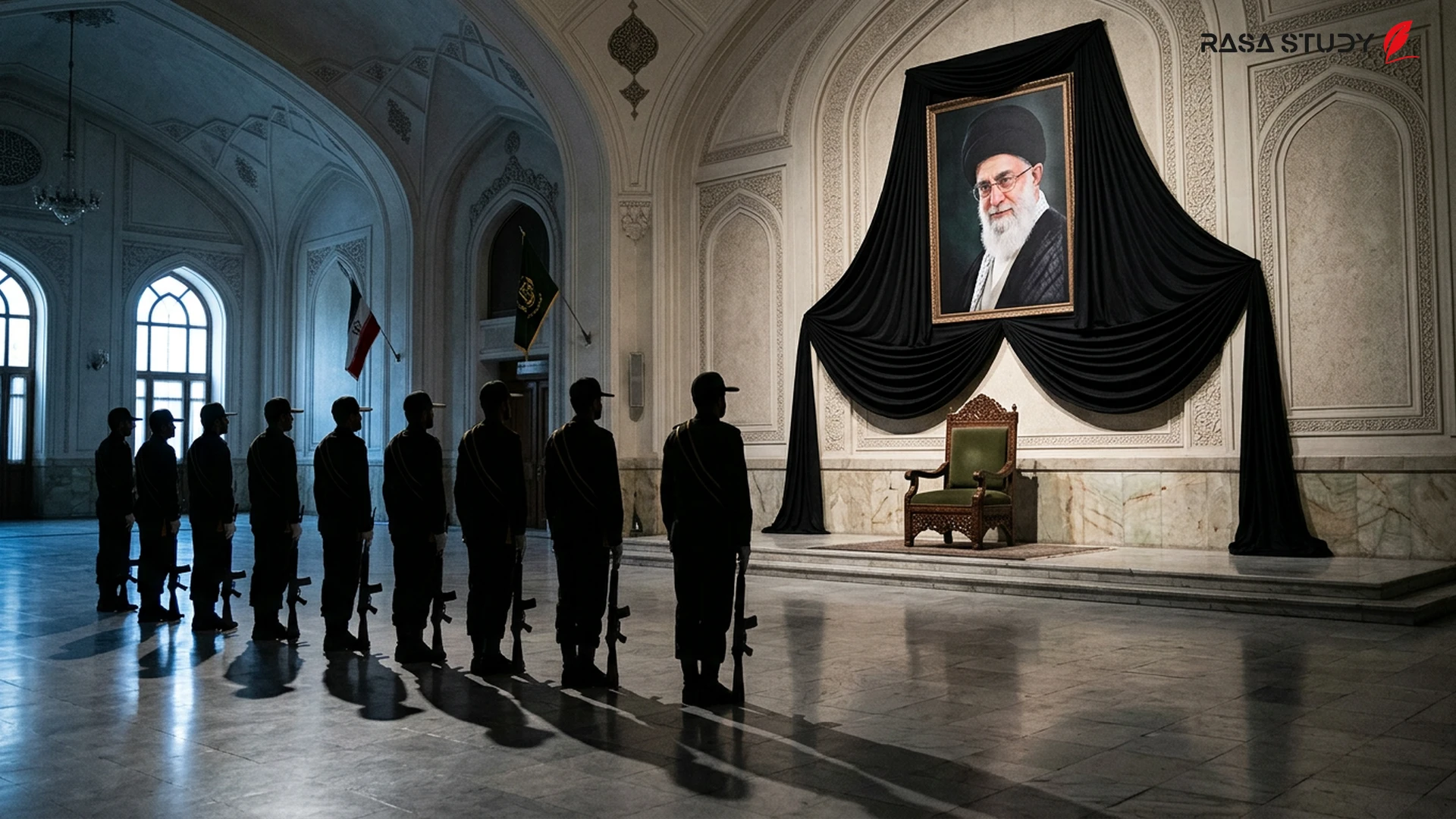
Following the lengthy burial ceremonies for Ali Khamenei in the city of Mashhad, international reports, including Deutsche Welle (DW), confirm that Mojtaba Khamenei's leadership has officially commenced, marking an unprecedented stage in Iran's political history.
Official Start of the Third Leadership Era in the Islamic Republic According to reports published on July 12, 2026, with the burial of Ali Khamenei at the Imam Reza shrine in Mashhad, the transfer of power to his second son, Mojtaba Khamenei, has taken an official form [1]. Mojtaba Khamenei, who is 56 years old, is now recognized as the third leader of the Islamic Republic following Ruhollah Khomeini and Ali Khamenei. Although the Assembly of Experts had selected him for this position in March, the official start of his activities was contingent upon the conclusion of the public mourning ceremonies [1][4].
The Mystery of Absence and the New Leader's Physical Condition One of the controversial points in recent days has been Mojtaba Khamenei's lack of public appearance at his father's funeral and burial ceremonies. Reports indicate that he was injured during joint U.S. and Israeli airstrikes on February 28, 2026, which resulted in the death of Ali Khamenei [2]. Some analysts believe his absence, beyond medical issues, stems from extreme security considerations and fear of potential assassination by foreign forces [5]. The Revolutionary Guard (IRGC) has released images claiming he is in full health, but his lack of physical presence among the millions of mourners has intensified speculation [2].
Diplomatic Deadlock and the Shadow of Trump's Threats Mojtaba Khamenei's leadership begins while Iran is in the midst of a fragile 60-day ceasefire with the United States. U.S. President Donald Trump has warned that in the event of any retaliatory action by Iran, he will order the complete destruction of the country's infrastructure [2][4]. Meanwhile, during the burial ceremony, harsh slogans were chanted against nuclear negotiators, indicating pressure from hardline factions on the new leadership to exit the path of diplomacy [3].
Internal Rifts and Protest Activities While state media attempts to project an image of national unity, reports suggest widespread discontent due to the exorbitant costs of the funeral ceremonies and the dire economic situation [3]. Resistance units in various cities, including Zahedan, have used the vacuum following the former leader's death to increase their activities against what they call "hereditary rule" [5]. The price of bread and basic goods has also jumped significantly in recent days, adding to the complexities of the new leadership team's start [5].
The burial ceremony of Ali Khamenei in Mashhad, which paved the way for the official start of Mojtaba Khamenei's leadership.
linkSources
- Hamaney Sonrası İran'da Yeni Dönem: Mücteba Hamaney Görevi Devraldı — Taka Gazete (DW News) (2026-07-12)
- Iran’s leadership transition marks the ascendance of a new generation — Washington Post (2026-07-04)
- Iran's costly farewell for supreme leader draws backlash — Iran International (2026-07-06)
- Iran's Leadership Transition and the road ahead for U.S. talks — Arirang News (2026-07-06)
- Resistance Units Defy Security Crackdown During Khamenei Funeral — NCR-Iran (2026-07-12)


