On July 16, 2026, as the 60-day ceasefire between Iran and the United States nears total collapse, prominent Turkish analyst Hakkı Öcal, in a sharp column for Milliyet, challenged regional strategies and internal power contradictions in Tehran.
“What is Iran's Ailment?” is the title of a column published by veteran Milliyet columnist Hakkı Öcal on July 16, 2026 [1]. Öcal examines Tehran's policies with a critical eye amidst one of the most critical periods in the region's modern history, under the shadow of direct military conflicts with the United States.
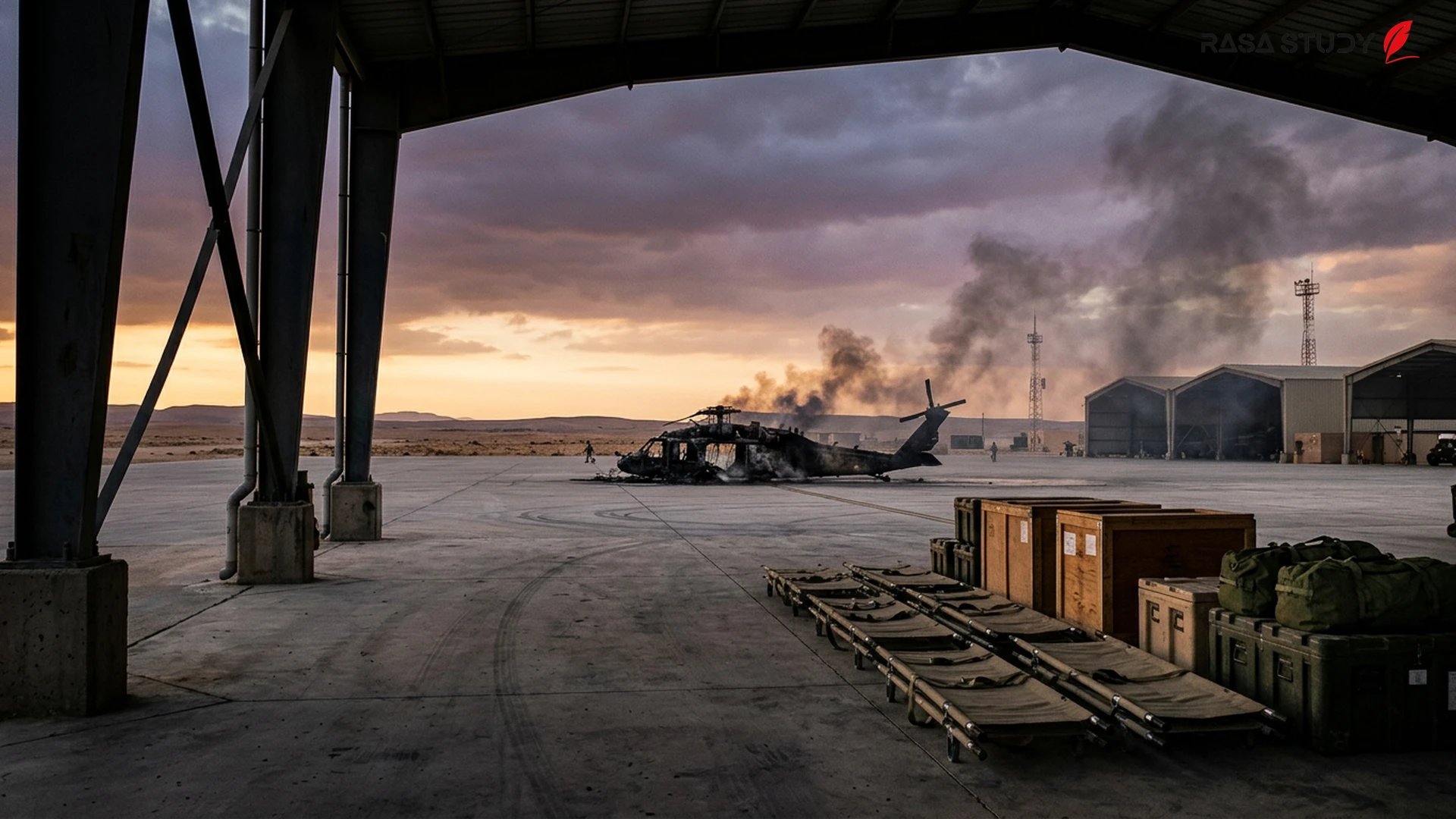
Diplomacy Failure and the Return to the Shadow of War According to published reports, the region is currently witnessing the heavy consequences of the failure of the June 2026 Memorandum of Understanding (MoU), which was signed to reopen the Strait of Hormuz and end the conflicts [5]. Öcal notes in his column that after the “12-Day War” in June 2025 and renewed American and Israeli attacks in February 2026, Iran is now in an unstable position [1]. While the 60-day ceasefire was expected to pave the way for sustainable negotiations, recent CENTCOM attacks on targets in Bandar Abbas and the outskirts of Tehran, and in response, the Revolutionary Guard's retaliatory strikes on US bases in Kuwait and Jordan, indicate the practical collapse of this agreement in mid-July [4].
Persian Bargaining or Internal Chaos? One of the main axes of Öcal's critique is the lack of coordination in Iran's power structure following recent political developments and the passing of the country's former leader. He believes that the presence of figures like Mohammad Bagher Ghalibaf in international negotiations indicates an attempt to create consensus, but the inability to control field forces and attacks on commercial vessels shows that “the foundation of affairs in Tehran has unraveled” [1]. Öcal describes this behavior as a type of “Persian Bargaining” which, against actors like Donald Trump, could bring disastrous results for Iran's civilian infrastructure [1].
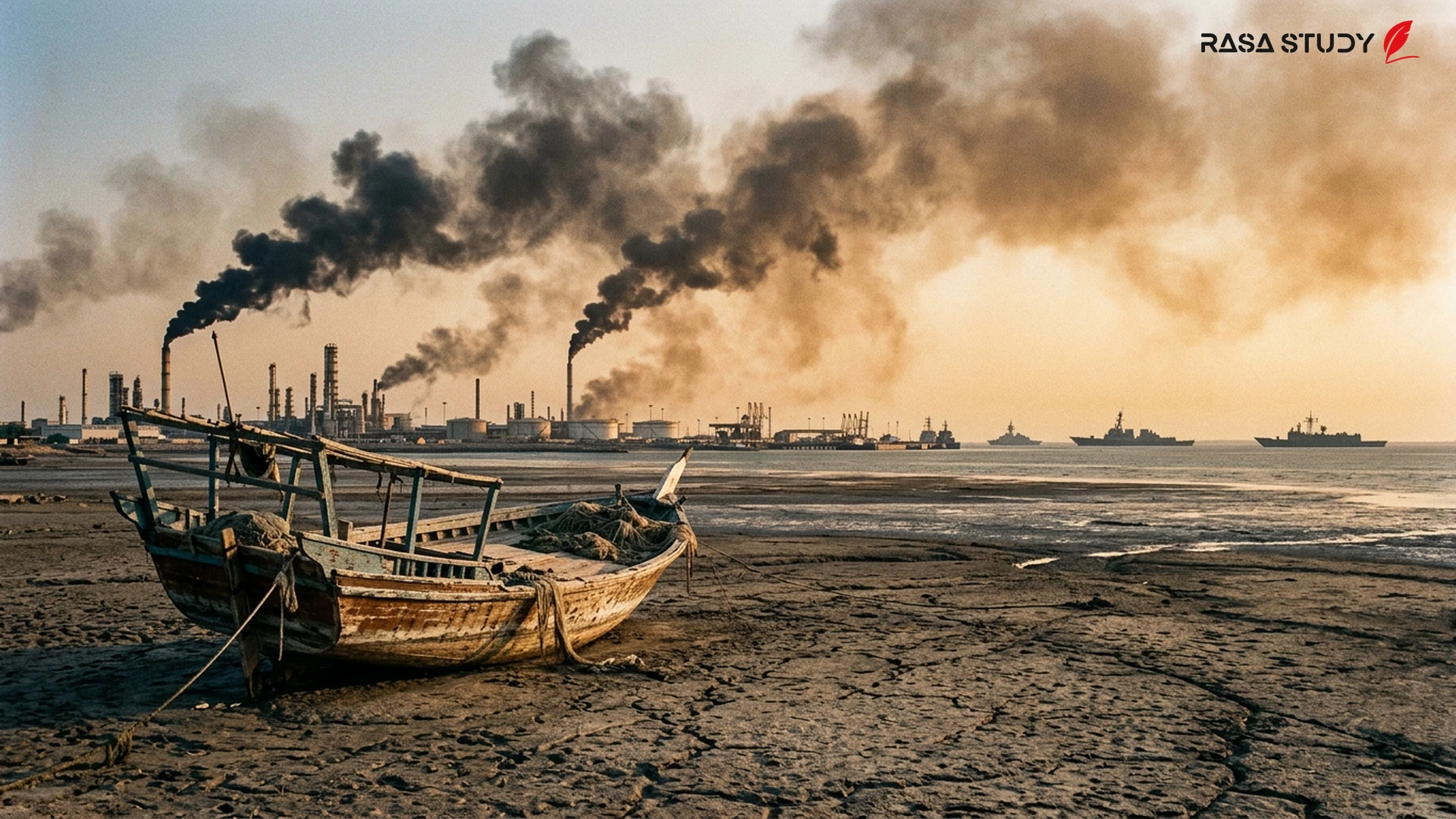
The Role of Trump and Netanyahu in Escalating the Crisis In his analysis, Öcal points to Trump's return to the White House and the revival of the “Maximum Pressure” policy. He believes that Israel seeks to draw Washington into a final confrontation to completely destroy Iran's nuclear and missile capabilities [1]. Meanwhile, Iranian military officials have warned that any attack on the country's vital infrastructure will be met with a comprehensive response that endangers the entire region's energy security [4].
Turkey's Position: Mediation in an Era of Instability While Iran has proposed the formation of a “Security Union” involving regional powers such as Turkey and Saudi Arabia, Ankara continues to view these proposals with caution [2]. Hakkı Öcal warns that Tehran's miscalculations have endangered not only Iran's national security but also the stability of the entire Middle East, and may inadvertently aid Zionist projects to change border maps [1]. He concludes by emphasizing that without a coherent and transparent strategy, Iran may lose the achievements of past decades in the current complex diplomatic and military game [1].
In his new column, Hakkı Öcal criticized Iran's regional policies amidst the 2026 military crisis.
linkSources
- İran’ın derdi ne? - Hakkı Öcal — Milliyet (2026-07-16)
- Iran, Turkey Stress Regional Security Cooperation — Tasnim News Agency (2026-07-03)
- Turkey–Iran relations: Managed rivalry under the pressure of war — ELIAMEP (2026-05-13)
- Iran threatens to destroy regional infrastructure if its own is attacked — The Guardian (2026-07-16)
- Why is Iran attacking ships after the June 2026 ceasefire? — Britannica (2026-07-15)