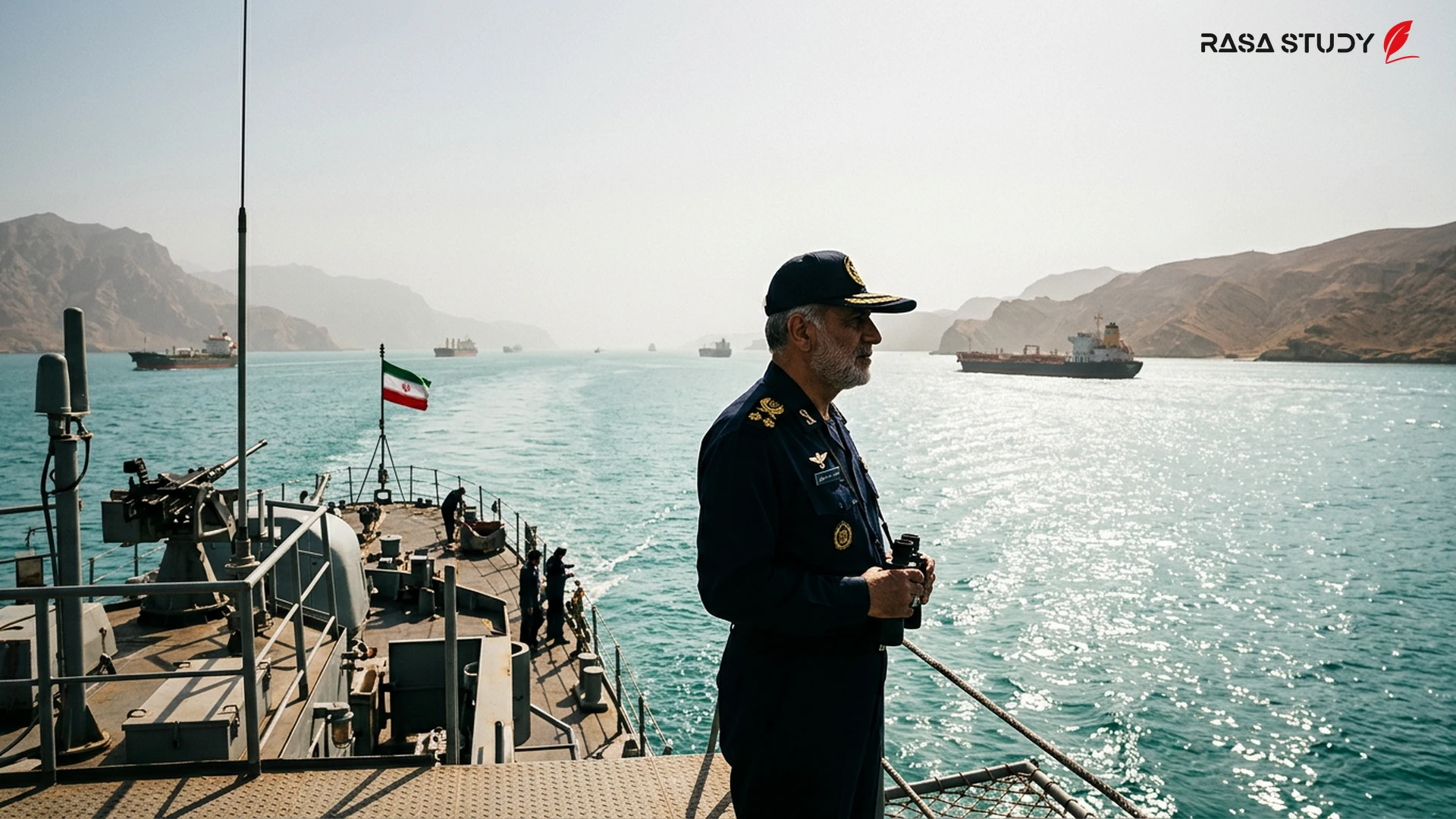
Following the conclusion of the two-day NATO summit in Ankara, the Islamic Republic of Iran issued an official statement reacting to the final communique, describing claims against its nuclear program and regional role as "political and baseless."
The 36th NATO Summit, held on July 7-8, 2026, at the "Beştepe" Presidential Complex in Ankara, concluded with a statement that directly addressed the activities of the Islamic Republic of Iran. In response, the Iranian Embassy in Turkey issued an official text today, July 9, 2026, strongly rejecting the allegations made by the North Atlantic Treaty Organization [1].
Tehran's Official Reaction to the Ankara Statement In its statement, the Iranian Embassy in Ankara emphasized that the claims in the NATO summit's final document regarding Iran's nuclear program and maritime security were formulated with "baseless and political motives." The statement noted that NATO is in no position to lecture Iran on regional security or dictate its policies [3]. Iranian officials pointed out that the root cause of insecurity in the region is the illegal military interventions and provocative policies of extra-regional actors, rather than Iran's defensive activities [1].
Tension Over Nuclear Program and Maritime Security The final NATO statement reaffirmed the necessity of preventing Iran from acquiring nuclear weapons and called for full freedom of navigation in the Strait of Hormuz [2]. In response, while emphasizing the entirely peaceful nature of its nuclear program, Tehran declared that nuclear weapons have no place in its defense doctrine and that Iran remains committed to its obligations under the Non-Proliferation Treaty (NPT) [1]. Regarding Persian Gulf security, Iran identified itself as the primary party responsible for maintaining stability in the Strait of Hormuz and described the presence of NATO forces as a tension-inducing factor [3].
Shadow of Iran-US Tensions Over the NATO Summit The summit took place as tensions between Tehran and Washington reached their peak. U.S. President Donald Trump, on the sidelines of the meeting, criticized European allies for failing to provide sufficient support for recent U.S. military operations against targets in Iran [4]. Conversely, Ebrahim Rezaei, spokesperson for the Iranian Parliament's National Security Commission, responded separately to Trump's remarks regarding threats to Kharg Island, warning that any military adventure would be met with a decisive response from Iran's armed forces [1].
NATO's Stance and Washington's Pressure NATO Secretary General Mark Rutte attempted to demonstrate member unity at the end of the summit. Defending the recent U.S. strikes as "necessary," he emphasized NATO's ironclad commitment to collective defense [4]. However, Iran's statement indicates that the gap between NATO's security approach and the geopolitical realities of the Middle East continues to widen. Tehran believes that instead of focusing on peace, NATO has become a tool for advancing America's aggressive goals in the region [3].
The 36th NATO Summit was held in Ankara with leaders like Donald Trump and Mark Rutte, and its final statement met with a sharp reaction from Tehran.
linkSources
- İran'dan NATO bildirgesi sonrası açıklama — Hürriyet (2026-07-09)
- NATO Ankara Summit Declaration 2026 — NATO (2026-07-08)
- İran'dan NATO Ankara Zirvesi Bildirisi'ne tepki — Haberler (2026-07-09)
- NATO secretary general defends allied contributions in US war against Iran — Breaking Defense (2026-07-08)


