Political analyst Alparslan Türkoğlu, in a recent note for the media outlet Habererk, raises a fundamental question about the Iranian regime's recent actions, examining Tehran's high-risk strategies regarding the naval blockade and unprecedented military tensions in the Strait of Hormuz.
Diplomatic Deadlock and the “All or Nothing” Strategy
In his recent analysis on the Habererk website, Alparslan Türkoğlu sharply criticizes the Iranian regime's approaches amidst the July 2026 crisis [1]. He believes that by violating international memoranda and insisting on hegemonic control over the Strait of Hormuz, Tehran has effectively placed itself in a geopolitical deadlock. This analysis is published at a time when the region is witnessing one of the most intense military tensions in recent decades. Türkoğlu asks whether the Iranian regime is truly seeking survival or is consciously moving toward a full-scale conflict.
CENTCOM Attacks and the Return of the Naval Blockade
On July 15, 2026, the United States Central Command (CENTCOM) announced that it had launched a new round of precision strikes against military targets on Iranian soil [2]. These attacks, aimed at reducing Tehran's ability to target commercial vessels, hit missile and drone sites on Iran's southern coast. Simultaneously, the United States resumed the naval blockade of Iranian ports that had begun in mid-April. This action followed the failure of efforts to revive nuclear and security agreements in June [3].
The Revolutionary Guard's Aggressive Response to the Fifth Fleet
In response to the US airstrikes, the Islamic Revolutionary Guard Corps announced that it had targeted the logistics and command facilities of the US Fifth Fleet in Bahrain [3]. Iranian military officials have warned that if Washington intends to block the region's oil and gas exports, no country will have export security. This doctrine, known by the slogan “Energy for all or no one,” has pushed global concerns over fuel price spikes and energy security to their peak [3].
Succession Crisis and Continued Instability
International analysts point out that part of the Iranian regime's current aggressive behavior stems from structural changes in the country's leadership following the events of early 2026 [4]. Given reports of changes at the highest levels of power and the role of Ali Larijani as a key figure in crisis management, Türkoğlu emphasizes in his note that hardliners in Tehran are trying to maintain internal cohesion by creating an external crisis [1]. However, continuous attacks on military infrastructure and the economic blockade have severely limited the regime's room for maneuver.
Conclusion: An Uncertain Future for the Region
What Alparslan Türkoğlu presents in Habererk reflects the deep concern of Iran's neighbors, including Turkey, regarding military adventures in the Persian Gulf. With the deployment of more than 20 warships and hundreds of US military aircraft in the region, the coming days will be vital in determining the fate of the Iranian regime and the stability of the Middle East [2].
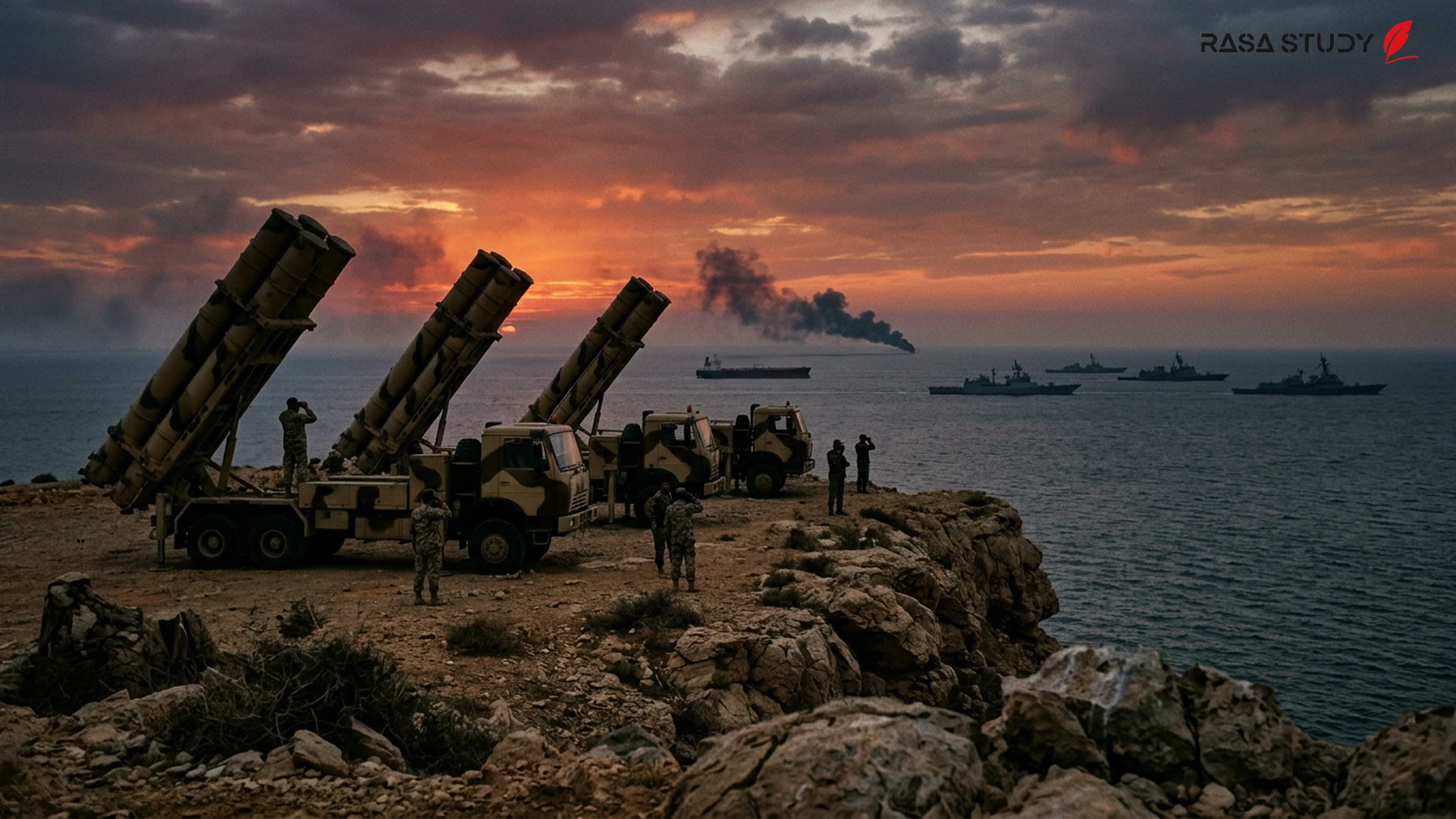
The military confrontation between Iran and CENTCOM forces reached its peak in July 2026.
linkSources
- Alparslan Türkoğlu | İran rejimi ne yapıyor? — Habererk (2026-07-12)
- US launches fresh Iran strikes as CENTCOM resumes naval blockade — Fox News (2026-07-15)
- Middle East crisis live: Iran retaliates after fresh US strikes — The Guardian (2026-07-15)
- The 2026 Iran Conflict: Leadership and Regional Impact — Britannica (2026-07-14)


