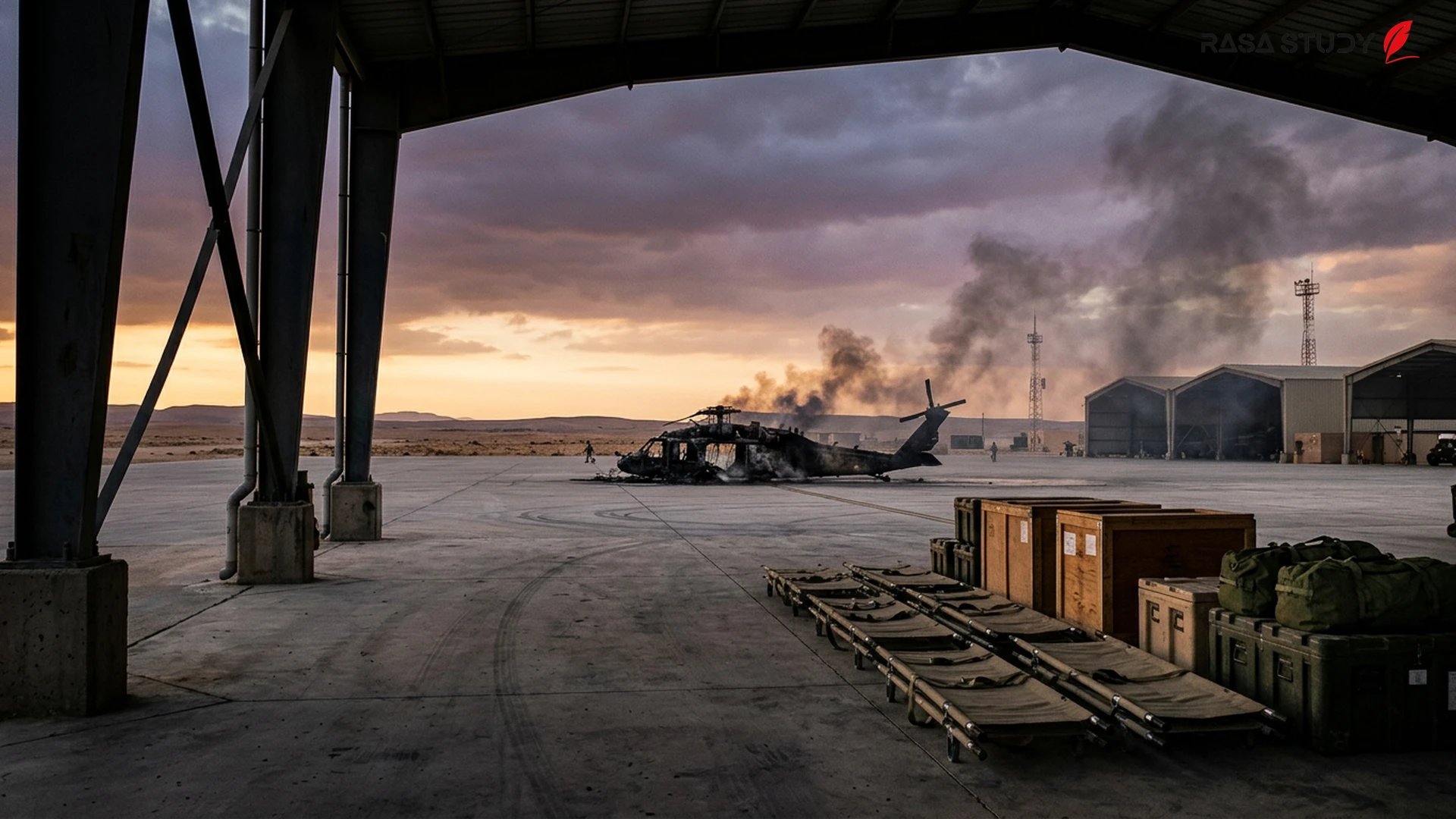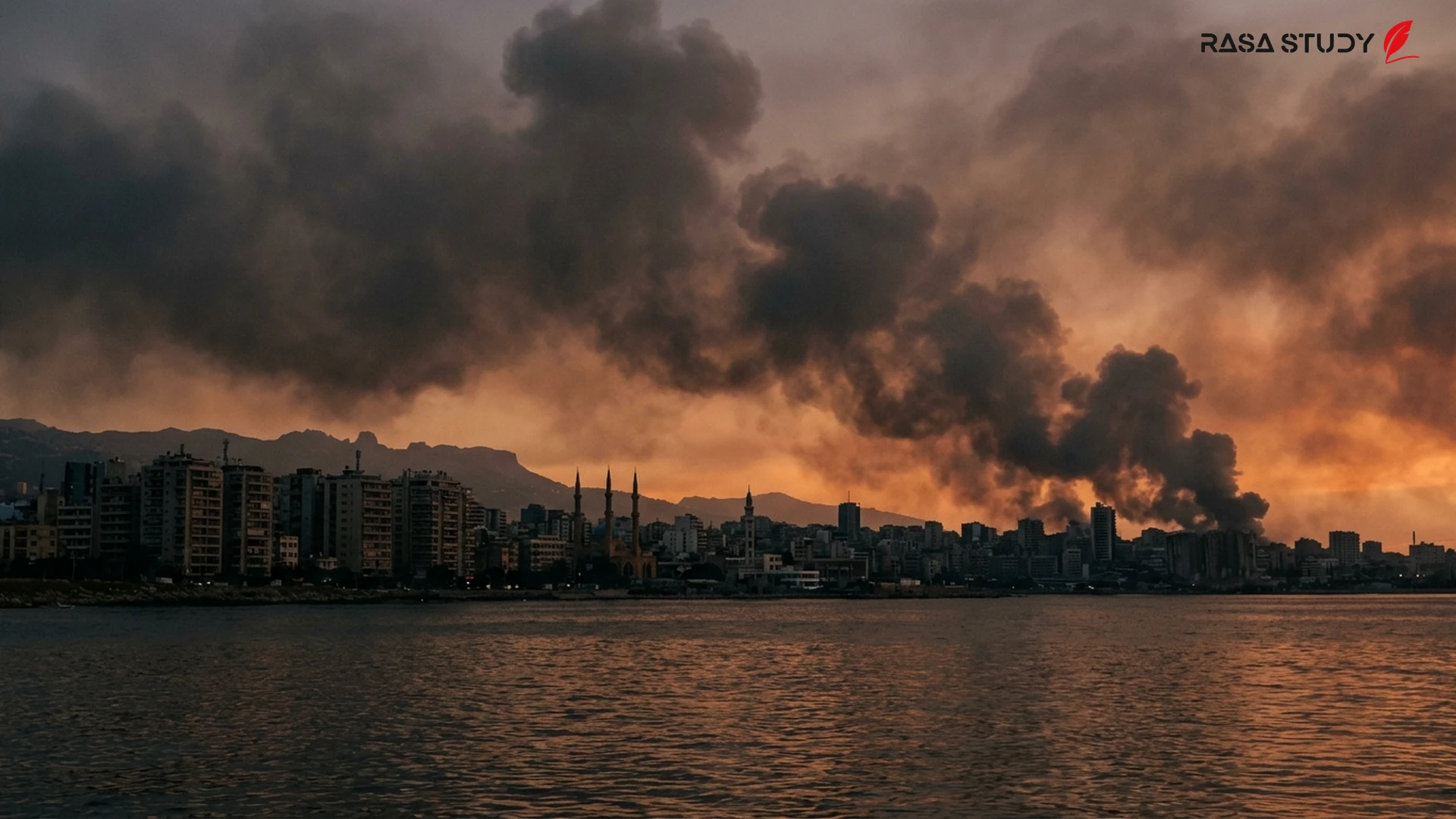
Following the Israeli military's missile attack on Beirut, the Islamic Republic of Iran issued an official statement calling the action a blatant violation of Lebanese sovereignty and emphasizing its legal right to retaliate and support the resistance front.
Escalation of Tensions in the Heart of the Middle East
On June 14, 2026, the region once again faced a new wave of unrest. According to regional media, the Israeli military conducted precision airstrikes on areas in Beirut, the capital of Lebanon. These attacks, which are said to have targeted strategic objectives, were immediately met with a sharp reaction from officials of the Islamic Republic of Iran [1]. Based on reports published in Ankara by the "24 Hours" newspaper, Tehran described this action as a dangerous adventure that could spread the flames of war throughout the entire region.
Official Iranian Statement and Promise of Revenge
Iran's Ministry of Foreign Affairs announced in an urgent statement that the attack on Beirut is not only an aggression against Lebanese soil but also a direct threat to the stability of the entire region. The statement emphasized that Iran reserves its right to support its allies and respond to these aggressive actions [3]. Analysts believe the tone of this statement indicates the likelihood of a retaliatory operation similar to previous ones. Military officials in Tehran have noted that "we will determine the time and place of the response," a phrase heard repeatedly following similar tensions in recent years [2].
International Reflections and the Role of Media
Turkish media, including the "24 Hours" newspaper, have analyzed the potential consequences of this confrontation with extensive coverage. According to this outlet's report from Ankara, regional diplomats are consulting to prevent the situation from spiraling out of control [1]. However, given the intensity of the Israeli attack on Beirut and Iran's firm stance, the path of diplomacy seems more difficult than ever. The international community is watching these developments with concern, as any direct conflict between Iran and Israel could face global energy markets and the security of trade routes with a serious crisis.
Final Analysis: The Region on the Brink
The recent attack on Beirut indicates a change in the rules of engagement. While Israel emphasizes defending its security, Iran considers these actions a crossing of "red lines" [3]. Now, all eyes are on the coming days to see if behind-the-scenes diplomatic messages can prevent an all-out conflict or if the region will witness a new chapter of military confrontations. What is clear is the readiness of military forces on both sides for various scenarios, which has made the situation extremely fragile.
Diplomatic and military tensions between Iran and Israel have reached their peak following the attack on Beirut.
linkSources
- İsrail’in Beyrut saldırısının ardından İran’dan misilleme açıklaması — 24 Saat Gazetesi (2026-06-14)
- Israel strikes Beirut suburb, targeting Hezbollah commander — Al Jazeera (2024-07-30)
- Iran says Israel crossed all red lines after Beirut strike — Reuters (2024-07-30)