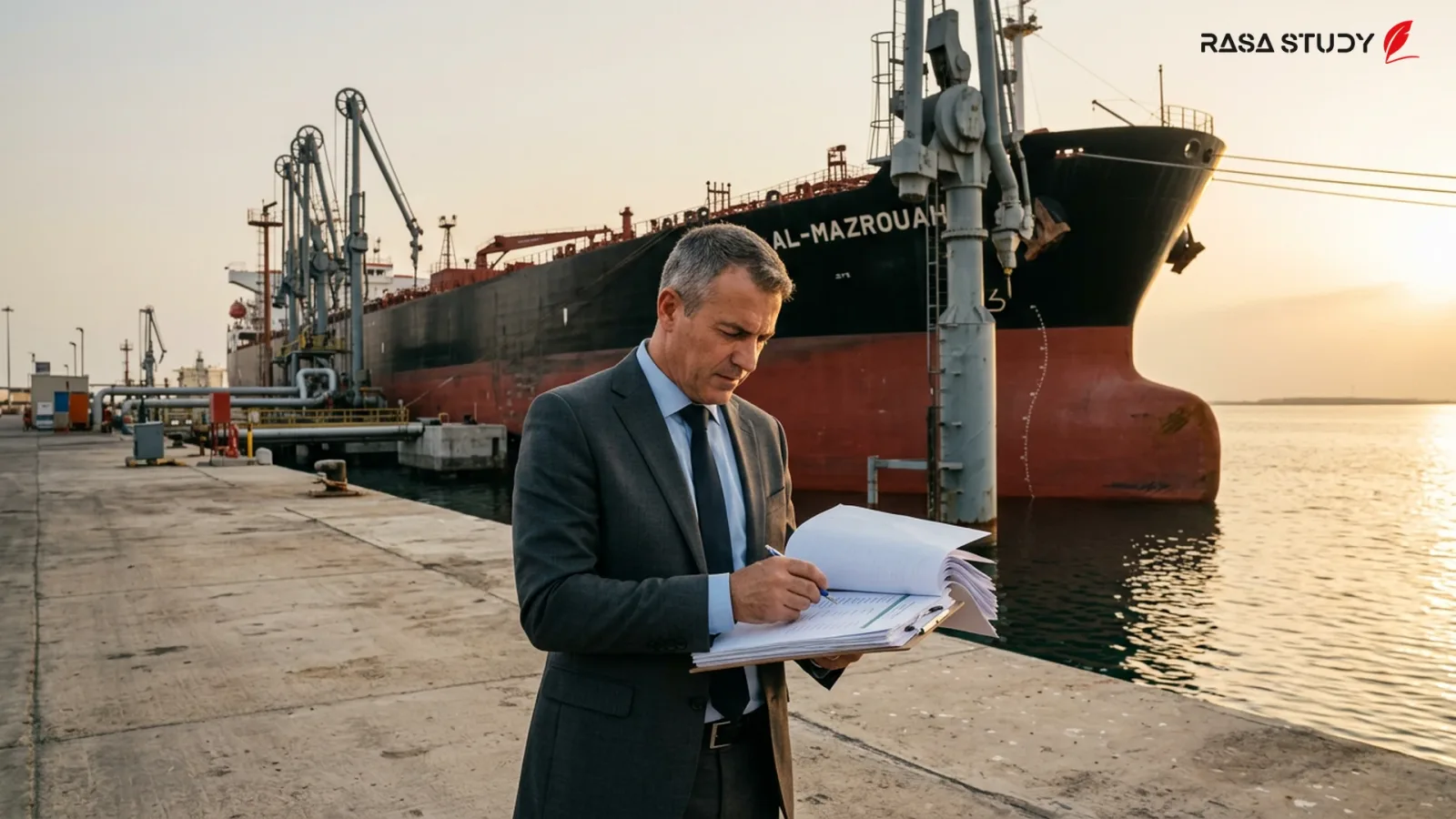
Following the issuance of a new general license by Washington after the June 2026 memorandum of understanding, many questions have been raised about the end of sanctions. Prominent lawyer Bahadır Yazıcı warns that this temporary opening does not mean a complete lifting of legal restrictions.
General License X and Iran's Temporary Return to the Global Market Following the signing of the 14-article Memorandum of Understanding (MOU) between the United States and Iran on June 17, 2026, aimed at de-escalation and ending recent conflicts, the US Treasury (OFAC) issued "General License X" [2]. This license, effective since June 22, temporarily allows the production, sale, and transport of Iranian crude oil and petrochemical products, and even permits the use of the US dollar in these transactions [3]. However, this opening is accompanied by very precise time and legal restrictions, the neglect of which could have heavy consequences for traders.
Bahadır Yazıcı's Legal Analysis: Sanctions Have Not Been Lifted Bahadır Yazıcı, a lawyer and international law expert, dissected this situation in a note published in TürkHaber. He emphasizes that contrary to public perception, sanctions have not been lifted, but only a temporary waiver has been issued [1]. Yazıcı notes that this license does not mean the delisting of individuals and entities from the sanctions list. In other words, dealing with entities that remain blacklisted, outside the narrow framework of this license, is still illegal and punishable [1].
Banking Challenges and 60-Day Time Limits One of the key points in recent analyses is the expiration date of this license. General License X is valid only until August 21, 2026, and its renewal is contingent on progress in political negotiations [4]. This short time frame creates a major risk for long-term contracts. Furthermore, Yazıcı warns that correspondent banks may still refuse to approve Iran-related transactions due to internal compliance policies and fear of a sudden return of sanctions [1]. This means that even with a legal license, banking channels may remain blocked.
Vital Recommendations for Economic Actors and Traders Given the instability of the political environment, legal experts recommend that companies carefully examine the ownership and control structure of the Iranian party before any commercial commitment to ensure no connection with sanctioned entities such as the Islamic Revolutionary Guard Corps [2]. Yazıcı suggests including automatic suspension or termination in case of return of sanctions clauses in new contracts so that if the license is not renewed in August, companies do not suffer irreparable damages [1]. The reality is that in July 2026, trade with Iran remains on a legal razor's edge and requires extra caution.
The US Treasury's General License X has created a temporary opening in Iranian oil sanctions.
linkSources
- Av. Bahadır Yazıcı - İran ambargosu kalktı mı? — turkhaber.com (2026-07-02)
- OFAC Issues General License X Authorizing Iranian Oil Transactions — U.S. Department of the Treasury (2026-06-22)
- The U.S.-Iran MOU: A Temporary Reprieve or Lasting Peace? — Reuters (2026-06-23)
- Understanding General License X: Scope and Practical Effects — National Law Review (2026-07-02)


