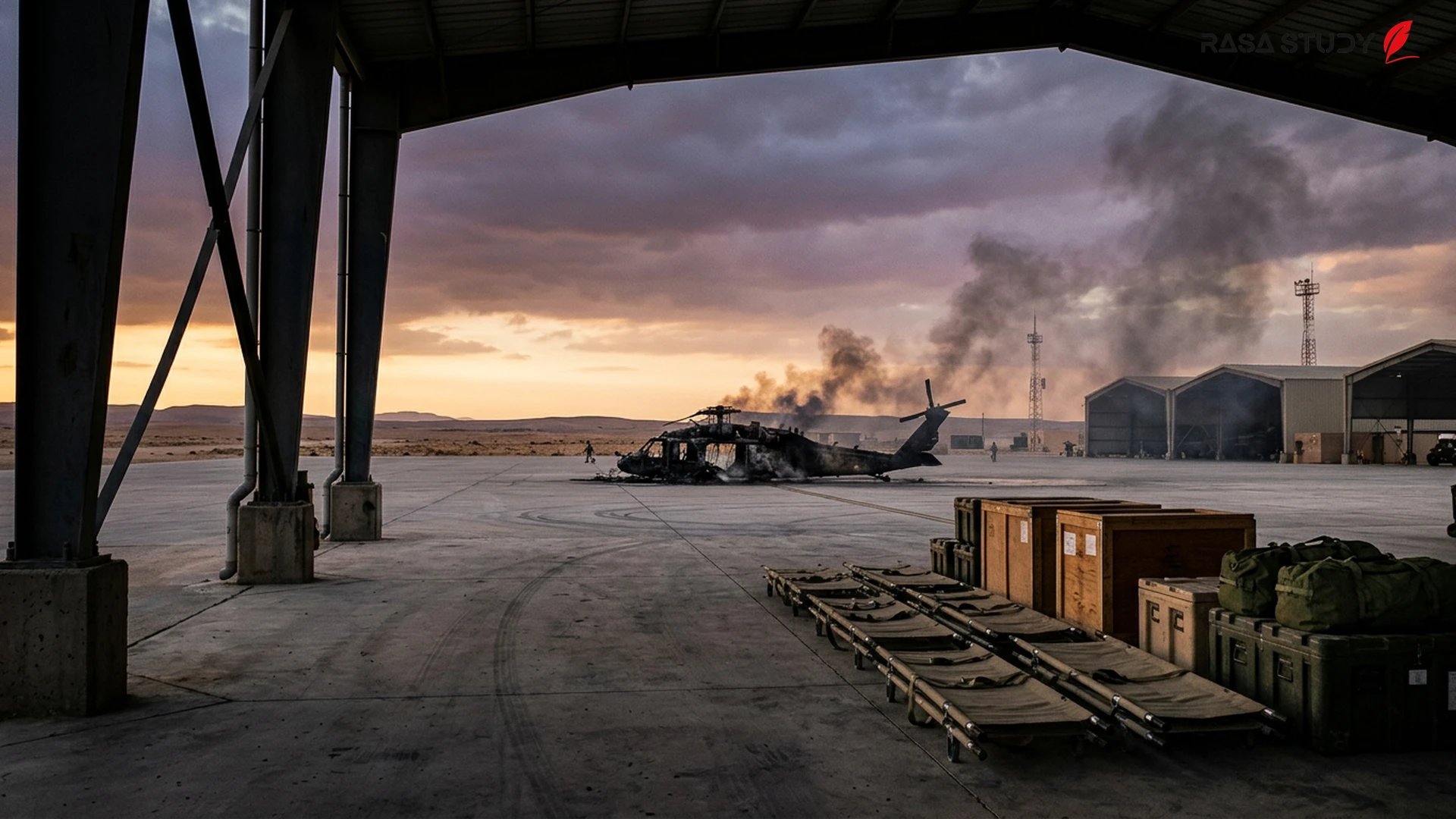
With the start of the third round of heavy US attacks on military positions inside Iranian territory and Tehran's retaliatory missile response to regional bases, Gulf countries have declared a state of emergency and activated their defense systems.
Following the escalation of military conflicts between Iran and the United States on July 13, 2026, the Persian Gulf region is witnessing one of its most critical days in recent years. Reports published by news sources, including "NTV Haber," indicate that a new wave of retaliatory attacks has begun, placing neighboring countries on full alert [1].
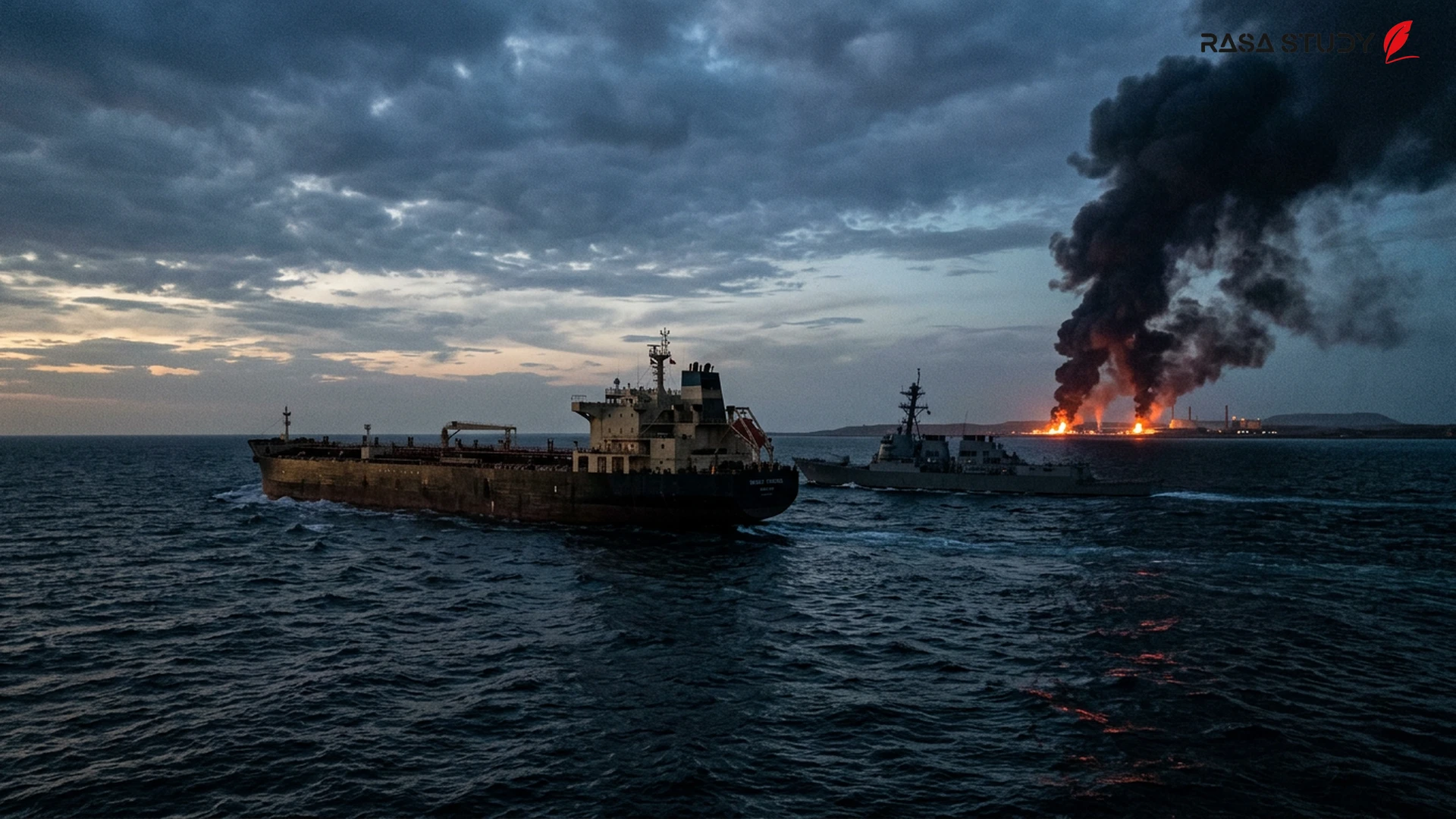
Details of CENTCOM Attacks on Military Infrastructure United States Central Command (CENTCOM) announced that in response to the targeting of a Cyprus-flagged container ship in the Strait of Hormuz, it has conducted a new round of precision strikes against 140 targets inside Iranian territory [2]. These attacks, carried out using fighter jets, warships, and for the first time, maritime suicide drones, targeted radar sites, air defense systems, and missile depots in areas such as Bandar Abbas, Qeshm Island, and Bushehr [4]. The objective of this operation was stated as weakening Iran's ability to block international shipping lanes.
Iran's Missile Response and Conflict in Neighboring Countries In response to these attacks, the Islamic Revolutionary Guard Corps issued a statement announcing that it has targeted "enemy" bases in regional countries. These missile and drone attacks have spread to Bahrain, Kuwait, Qatar, Jordan, and Oman [3]. The Jordanian military confirmed that it intercepted and destroyed 4 missiles fired from Iran in its airspace [2]. In Kuwait, sirens were sounded, and there are reports of damage to border posts and an oil drilling platform [4].
Battle for Control of the Strait of Hormuz The situation in the Strait of Hormuz, the world's vital energy artery, remains ambiguous. While Iran claims to have completely blocked the waterway until US interventions cease, Washington emphasizes that maritime traffic continues under military escort [3]. These tensions caused global oil prices to jump by 3% in the early hours of trading today, doubling concerns over energy security [2].
Failure of Diplomacy and International Concerns These widespread conflicts occur as the June interim agreement between the two countries has effectively collapsed. Mediator countries such as Oman and Qatar, which previously hosted technical talks, have now themselves become targets of attacks [3]. The United Nations issued a statement warning of the catastrophic consequences of a return to full-scale war and called for immediate restraint from both sides [4].
Military tensions in the Persian Gulf have reached their highest level in 2026.
linkSources
- İran ile ABD arasında yeni saldırı dalgası. Körfez ülkeleri alarma geçti — NTV Haber (2026-07-13)
- US strikes Iran again as Strait of Hormuz tensions rise, Gulf nations remain on alert — Gulf News (2026-07-13)
- Iran responds to U.S. attacks with fire on Gulf neighbors — CBS News (2026-07-13)
- The United States and Iran each asserted Monday they controlled the Strait of Hormuz — Washington Post (2026-07-13)