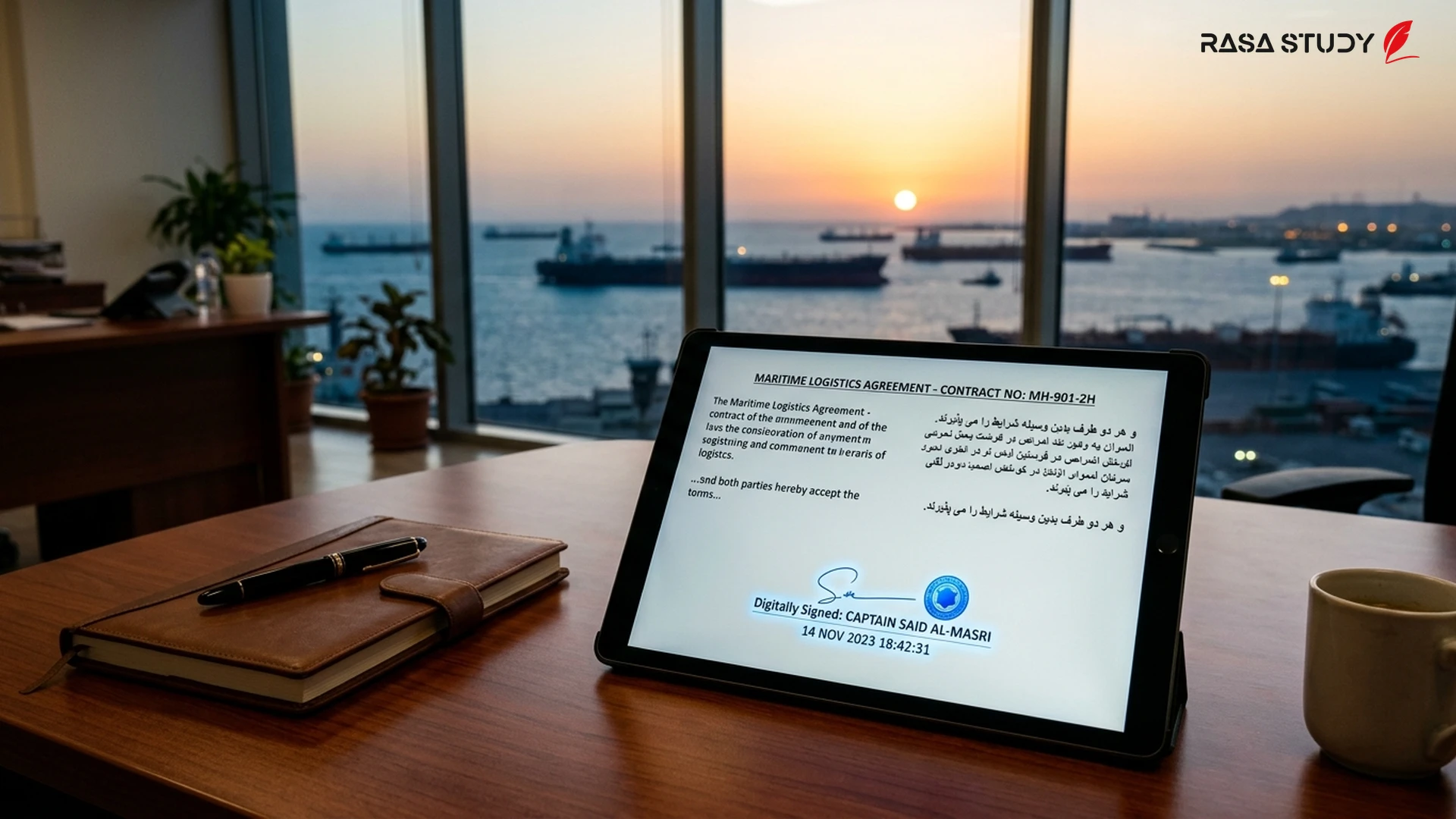
In an unprecedented development in diplomatic relations, Iranian Foreign Minister Abbas Araghchi announced the possibility of a digital and remote signing of a memorandum of understanding between Iran and the United States; a move that could remove protocol deadlocks in the 2026 peace negotiations.
A New Evolution in Indirect Diplomacy As the world closely follows developments in the Middle East, reports dated June 13, 2026, indicate that Iran and the United States have reached the final stage of signing a Memorandum of Understanding (MoU) to end hostilities. Iranian Foreign Minister Abbas Araghchi told state media that the document is likely to be signed digitally and remotely within the next few days [1]. This innovative approach allows the parties to formalize the initial agreement without the need for physical presence in a single location, bypassing ceremonial challenges [2].
Why Was a Digital Signature Chosen? Although the Swiss government expressed readiness to host the signing ceremony in Geneva, and there were speculations about the presence of US Vice President JD Vance and Iranian Parliament Speaker Mohammad Bagher Ghalibaf in the city, Tehran insists on a digital signature for the first stage [3]. Araghchi clarified that this memorandum will be signed in a digital environment to reduce the political and security complexities of direct meetings at this stage. This action is known as part of the "Islamabad Understanding," which was reached through active Pakistani mediation [1][4].
Key Provisions of the 2026 Memorandum According to leaked reports, this memorandum includes 14 main clauses aimed at an immediate reduction of tensions. The most important axes of this document include: - Reopening the Strait of Hormuz: Iran has committed to restoring commercial traffic in this strategic waterway to normal [2]. - Release of Assets: Approximately $24 billion of frozen Iranian assets are expected to be released over a 60-day period [3]. - Uranium Management: The issue of 60% enrichment will be addressed through the dilution of materials within Iranian territory [1].
Reactions and Next Steps US President Donald Trump also confirmed the progress, claiming that this agreement meets Washington's main objectives [4]. However, Araghchi emphasized that if the provisions of this memorandum are not properly implemented, negotiations for a final and comprehensive agreement will not begin. This memorandum is essentially a 60-day roadmap to reach a lasting peace and lift extensive sanctions, the implementation of which will be monitored by international mechanisms [2][3].
Modern Diplomacy: Iran and the US turn to digital signatures to bypass protocol obstacles.
linkSources
- İran: ABD ile mutabakatın dijital ortamda imzalanması gündemde — CGTN Türk (2026-06-13)
- İran: Mutabakat zaptının gelecek birkaç gün içinde dijital ortamda imzalanması ihtimali mevcut — Anadolu Ajansı (2026-06-12)
- Araqchi foresees a preliminary agreement with the US shortly and points to a remote digital signature — Demócrata (2026-06-12)
- What's in the Iran deal Trump says he's ready to sign — Axios (2026-06-11)