As Tehran's positions align with Washington's demands, reports indicate the potential signing of a decisive agreement to end the war between Iran and the United States; an agreement that could reshape the region's political map.
Convergence of Positions at Decisive Moments
Today, June 14, 2026, diplomatic reports indicate that the concessions offered by Iran to halt hostilities have significantly approached the conditions set by Washington. According to news sources, Tehran is working to present a draft "Memorandum of Understanding" (MoU) aimed at ending the state of war and restoring stability to global energy markets [1]. This development follows weeks of intensive negotiations mediated by Pakistan and Qatar, during which both sides sought a way out of the military stalemate [3].
Reopening the Strait of Hormuz and Lifting the Naval Blockade
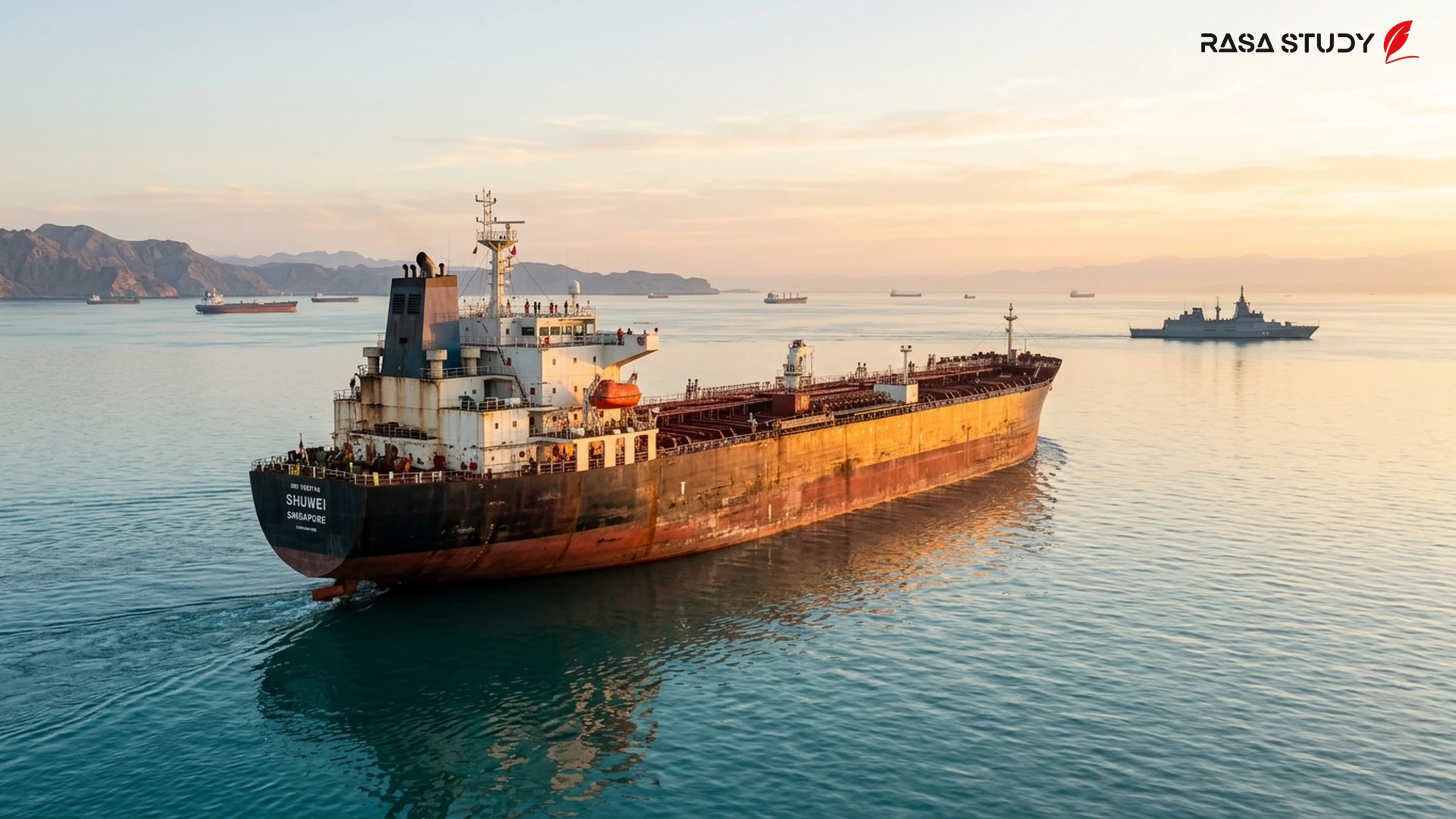
One of the main pillars of this potential agreement is the immediate reopening of the Strait of Hormuz. According to the draft provisions, Iran has committed to opening this strategic waterway to all commercial vessels. In return, the United States commits to fully lifting the naval blockade of Iranian ports within 30 days [1]. This move not only reduces military tensions but is also expected to moderate global oil prices, which had surged in recent months due to the conflict. US President Donald Trump stated in optimistic remarks that after the agreement is signed, the Strait of Hormuz will be "open to everyone" [2].
Nuclear Program and Economic Concessions
In the technical and nuclear section, reports show that Iran has reaffirmed its commitment not to develop nuclear weapons. The proposed agreement includes reducing the level of Iran's enriched uranium stockpiles under the direct supervision of the United Nations [4]. In exchange for these retreats, Washington has agreed to release a portion of Iran's frozen assets and allow for increased oil exports. It has also been stipulated that until a final agreement is reached (expected to be negotiated within the next 60 days), no new sanctions will be imposed against Tehran [1][4].
Remaining Challenges and Regional Reactions
Despite the existing optimism, obstacles to the final signing remain. Esmaeil Baghaei, spokesperson for the Iranian Ministry of Foreign Affairs, while confirming the progress, stated that the official signing will not necessarily take place today, but the probability of it occurring in the coming days is very high [2]. On the other hand, Israeli Prime Minister Benjamin Netanyahu expressed skepticism about the deal, fearing that Iran might use the resulting calm to rebuild its economic power without making permanent concessions in the nuclear field [2]. However, Pakistani mediators emphasize that the final text has been agreed upon and the parties are only arranging the details of the signing ceremony [3].
Intensive negotiations in Islamabad to finalize the draft agreement to end the war between Tehran and Washington in June 2026.
linkSources
- İran’ın tavizleri savaşı durdurmak için Washington’un şartlarına yaklaşıyor — Al Ain Türkçe (2026-06-14)
- Trump news at a glance: president claims Iran 'no longer want a nuclear weapon' amid peace deal hopes — The Guardian (2026-06-14)
- US and Iran have agreed to wording of a deal to end their war, Pakistan's prime minister says — The Washington Post (2026-06-13)
- Washington ile Tahran arasında kritik mutabakatın detayları ortaya çıkıyor — Tabya Dijital (2026-06-12)