As military tensions between Tehran and Washington reached their peak in the 100th day of conflict, recent statements from officials of both countries and active mediation by Pakistan signal the potential signing of a comprehensive peace agreement in the coming days.
Araghchi's Statement: Unprecedented Proximity to Agreement Abbas Araghchi, Iran's Foreign Minister, announced today, June 12, 2026, in a statement widely reflected in international media, that the so-called "Islamabad Memorandum" to end hostilities with the United States has never been this close to the final stage [1]. Referring to progress made in indirect negotiations, he urged the media to refrain from speculating on details until the text is finalized and officially signed, but emphasized that "the current situation is unprecedented" [5].
Trump's Retreat and Cancellation of Airstrikes Simultaneous with these positive signals from Tehran, US President Donald Trump announced that he has canceled heavy airstrikes and bombings planned for tonight against Iranian targets [4]. Trump claimed that negotiations have reached the highest levels of leadership in Iran and have been approved. He also mentioned that the agreement might be signed in Europe in the coming days (Saturday or Monday) in the presence of his Vice President, JD Vance [6]. In his remarks, Trump emphasized that the primary goal—ensuring Iran does not obtain nuclear weapons—has been achieved in this agreement [9].
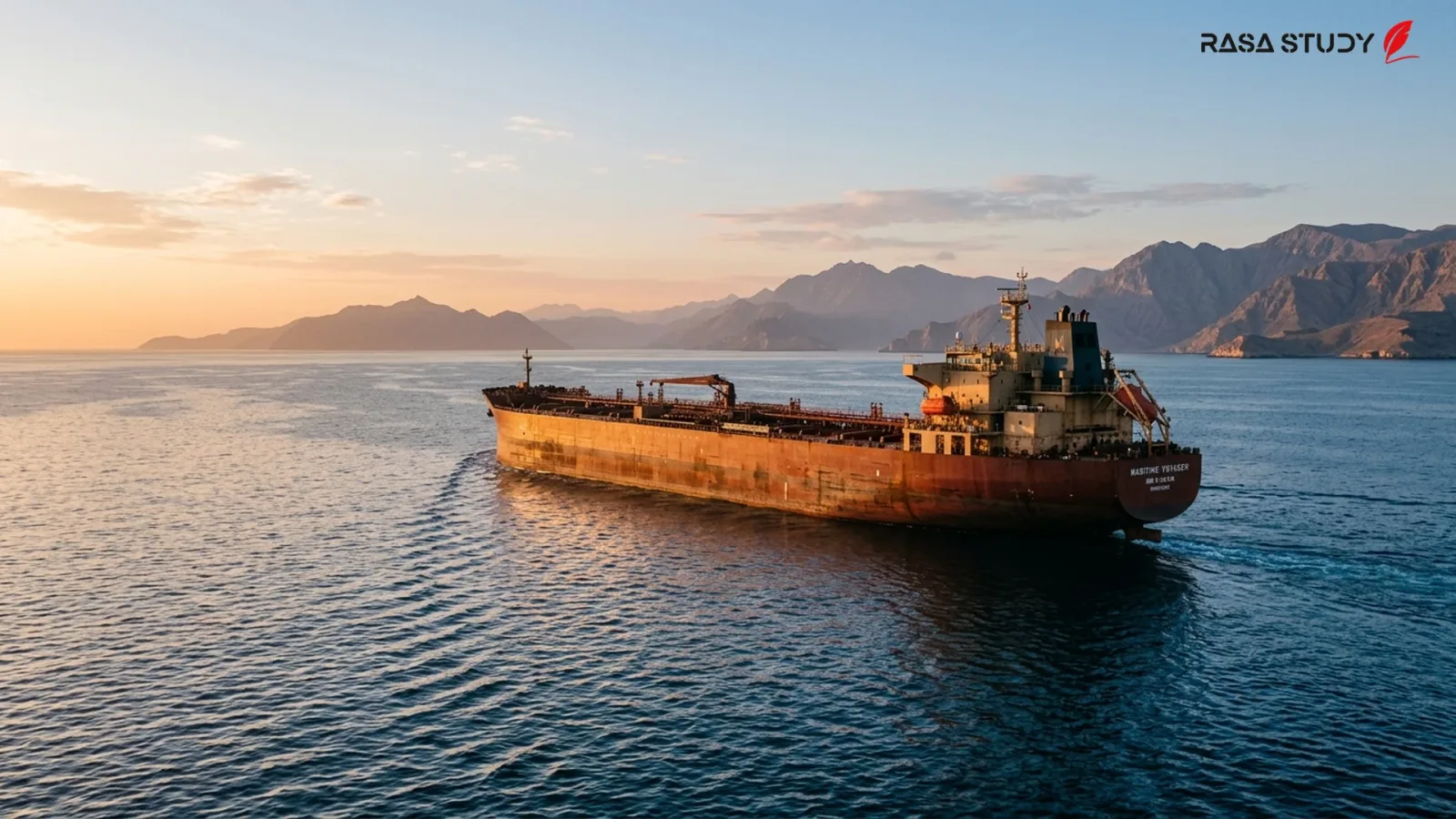
Details of the 14-Point Draft: From Lifting Blockades to Asset Release According to reports leaked to regional media including "Mehr" and "Tabnak," the agreement includes a 14-point draft with the following main pillars: - Immediate Cessation of War: A permanent ceasefire on all fronts, including Lebanon [3]. - Lifting the Naval Blockade: Full reopening of the Strait of Hormuz within 30 days and the lifting of the naval blockade on Iran [2]. - Suspension of Sanctions: Lifting sanctions on oil sales, petrochemical products, and Iran's access to financial resources [3]. - Asset Release: Transfer of $24 billion of Iran's frozen funds, half of which must be available to Tehran before the start of final negotiations [3]. - Economic Reconstruction: A $300 billion plan provided by the US and its allies for the reconstruction of Iran's damaged infrastructure [6].
Pakistan's Key Role in Mediation Shehbaz Sharif, the Prime Minister of Pakistan, whose country played the lead role in mediating this crisis, confirmed that the final text agreed upon by both parties is ready [7]. In a message on the X social network, he wrote: "Peace has never been as close as it is today." Sharif also warned that certain factions are seeking to sabotage this path by spreading misinformation, but Islamabad is in full coordination with both sides to take the final steps [8].
Tehran's Doubts and Red Lines Despite the expressed optimism, Esmaeil Baghaei, the spokesperson for the Iranian Foreign Ministry, adopted a more cautious tone, emphasizing that Iran has not yet made a final decision and will not retreat from its "red lines" in negotiations [4]. He called reports regarding the exact time and place of the signing speculation and stressed that any agreement must guarantee national interests and the real lifting of sanctions [9].
Iranian and Pakistani officials confirmed that the final text of the agreement to end hostilities with the US is ready.
linkSources
- İran'dan ABD açıklaması: Hiç bu kadar yakın olmamıştı — Yeni Akit (2026-06-12)
- Pakistan: ABD ve İran arasında anlaşma metni hazır — NTV Haber (2026-06-12)
- جدیدترین جزئیات توافق ایران و آمریکا؛ تعلیق تحریم نفت و رفع کامل محاصره دریایی — Tabnak (2026-06-12)
- US and Iran have agreed to wording of a deal to end their war — The Washington Post (2026-06-12)
- عراقچی: تفاهمنامه اسلامآباد هیچگاه تا این حد به نهایی شدن نزدیک نبوده است — Mehr News (2026-06-12)


