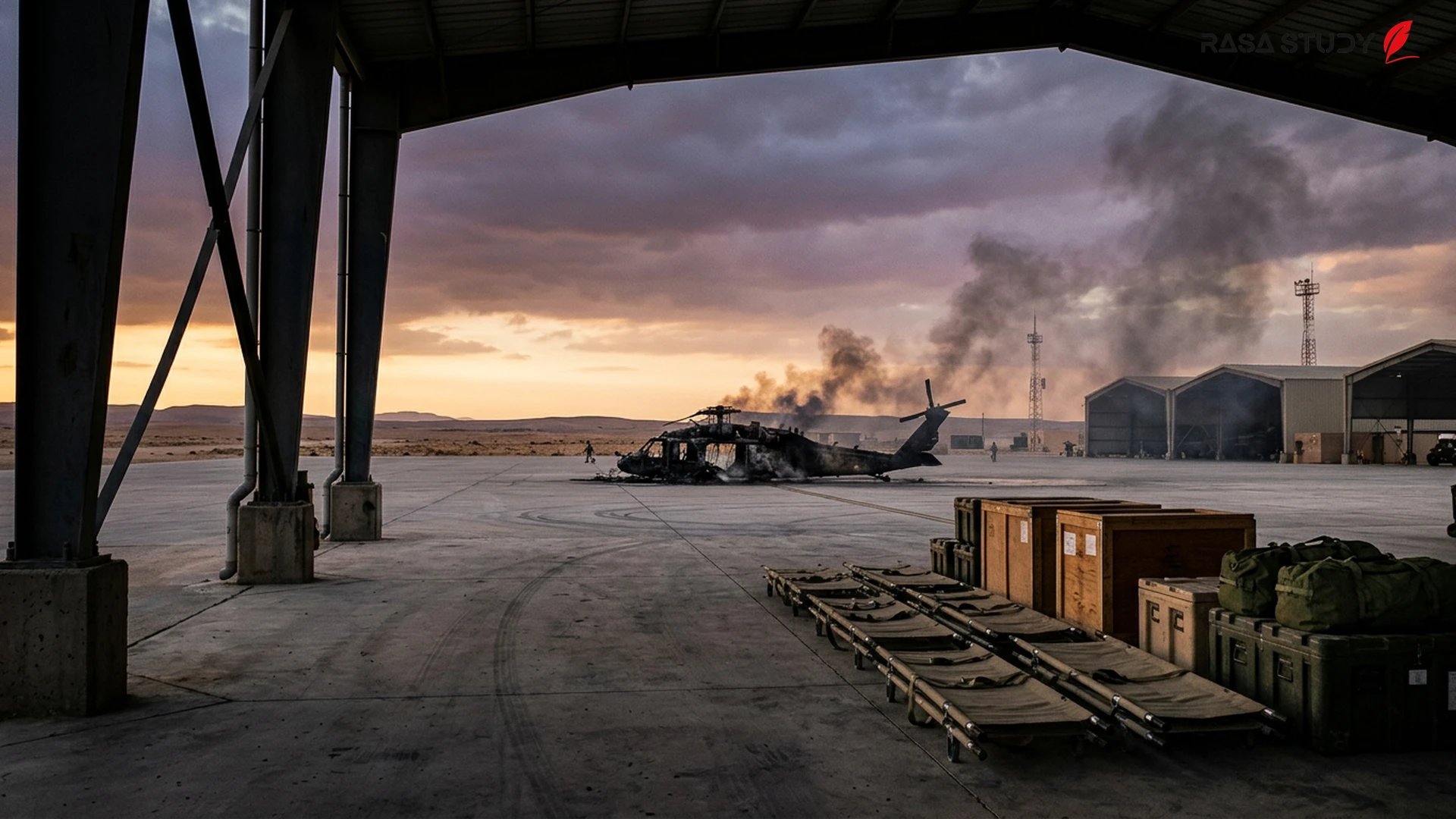
As military tensions in the region reach their peak, the Prime Minister of Pakistan announced that Tehran and Washington have reached a historic peace agreement expected to be officially signed within the next 24 hours.
Today, June 14, 2026, the world holds its breath in anticipation of a major development in international diplomacy. Shehbaz Sharif, the Prime Minister of Pakistan, whose country has played a key mediating role in recent months, announced that Iran and the United States are closer than ever to signing a peace agreement, and it is likely that this document will be finalized within the next 24 hours [1][5]. This agreement, known as the "Islamabad Memorandum of Understanding," has taken shape after weeks of intensive negotiations and following a period of limited military conflicts in the region.
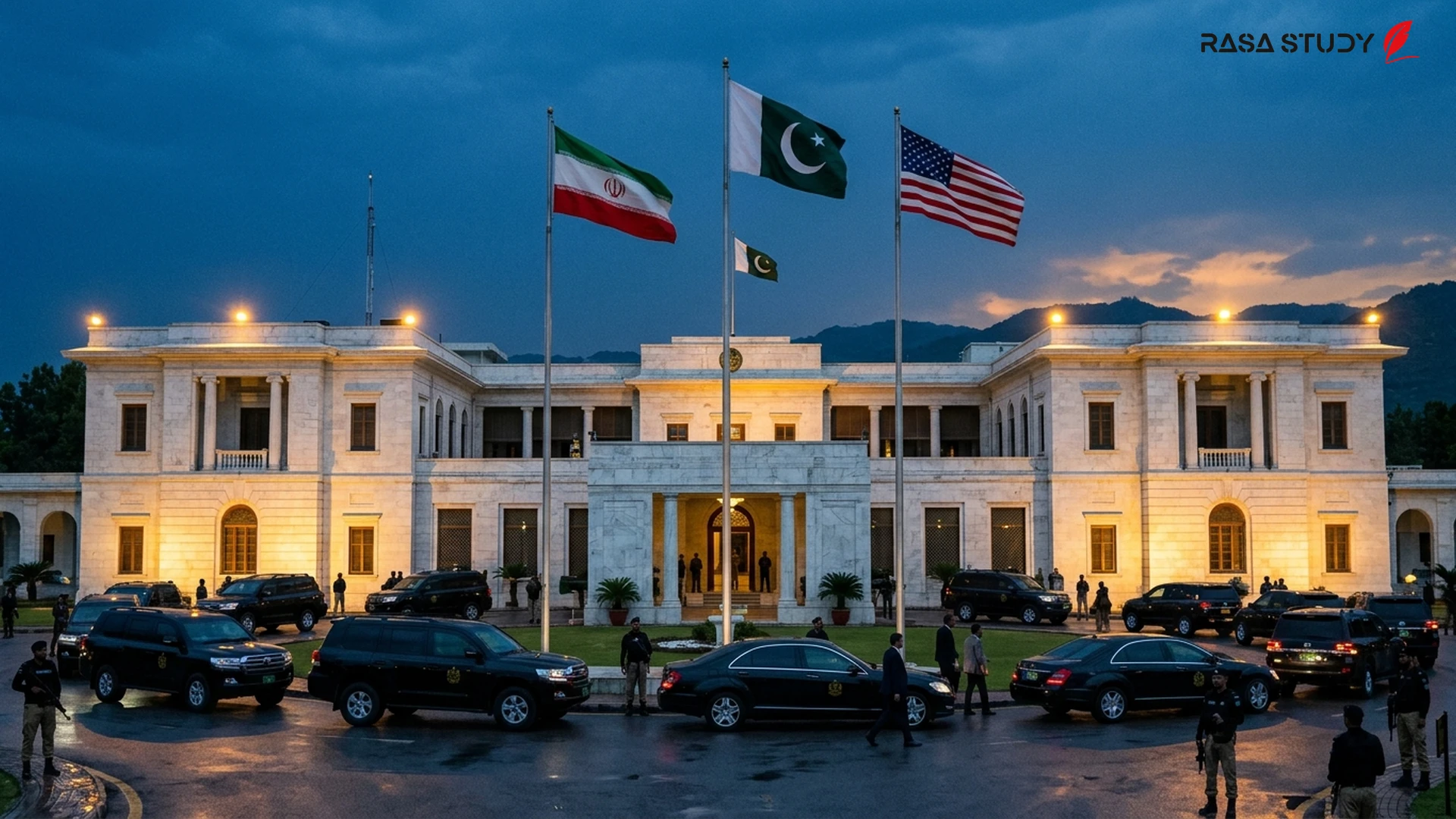
Islamabad's Key Role in Crisis Diplomacy As the primary mediator, Pakistan has played an unparalleled role in bringing the views of Tehran and Washington closer together. Shehbaz Sharif confirmed in a recent social media post that the final text of the agreement is ready and Islamabad is preparing the ground for the electronic signing of this historic document [2][4]. These efforts, accompanied by the support of Switzerland and Qatar, aim to end the three-month war and restore stability to global energy markets [3]. Reports from Deutsche Welle (DW) also indicate that the foreign ministers of Pakistan and Switzerland have had several phone calls in the past 24 hours for final coordination [4].
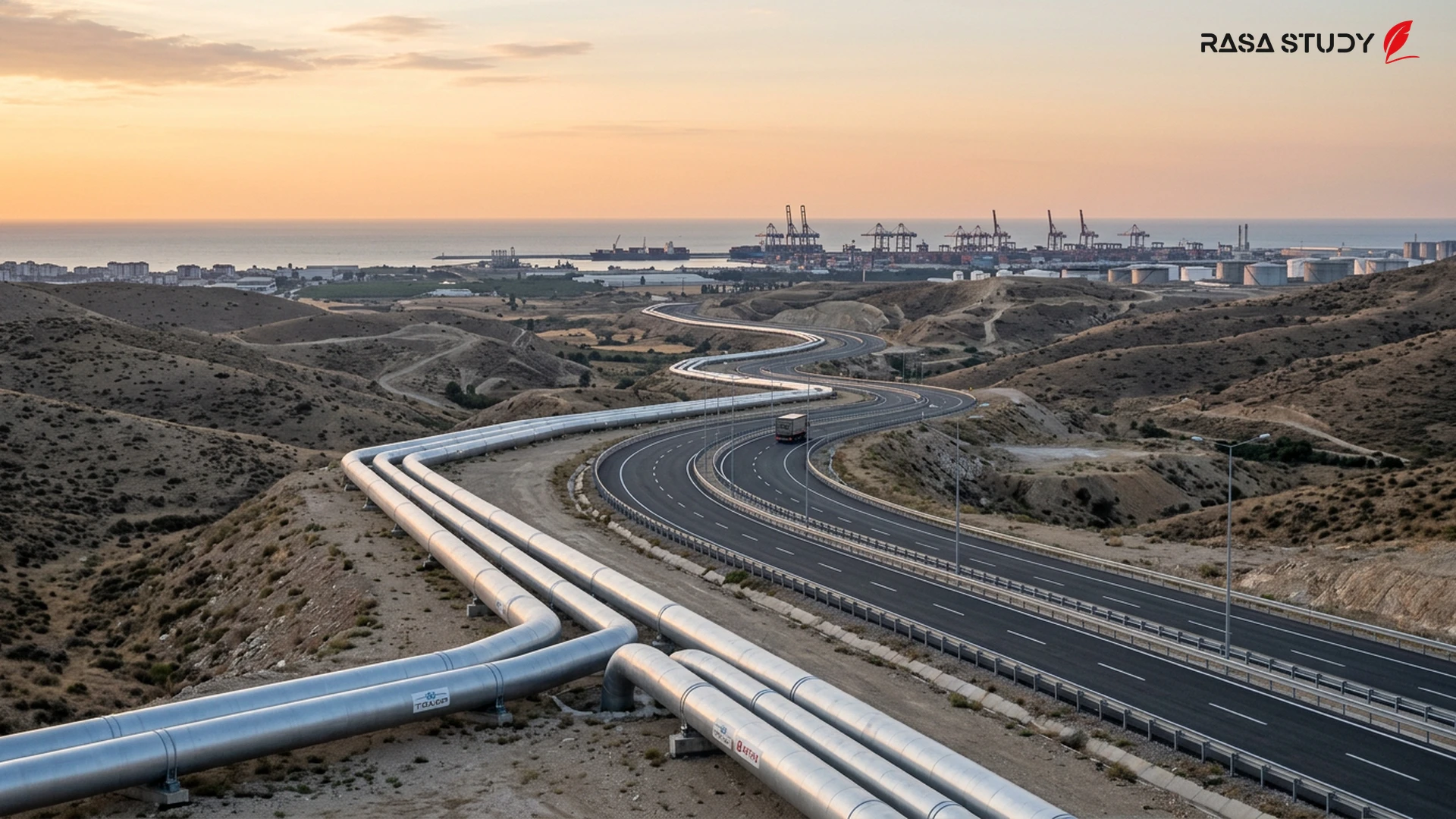
Details of the Agreement: From Reopening Hormuz to Asset Release According to leaked information from the draft agreement, this memorandum includes several vital clauses. The most important part is the immediate reopening of the Strait of Hormuz to all commercial vessels and the end of the naval blockade of Iran by the United States [1][3]. It is also reported that Washington has agreed to release billions of dollars of frozen Iranian assets in exchange for the cessation of high-concentration enrichment [2]. The agreement also provides for a 60-day period for technical negotiations on the nuclear program, which could pave the way for a long-term treaty [1][5].
Conflicting Signals from Washington and Tehran Despite Pakistan's optimism, there are still uncertainties regarding the exact timing of the signing. US President Donald Trump emphasized in his posts that the agreement must be signed today (Sunday) to coincide with his birthday [1][3]. However, Esmaeil Baghaei, the spokesperson for the Iranian Ministry of Foreign Affairs, while confirming significant progress, stated that although signing the agreement in the coming days is very likely, it will not necessarily happen today [2][4]. This disagreement over timing reflects domestic sensitivities in both countries, particularly in Iran, where reports of protests by hardline forces in Mashhad against the negotiations have been published [5].
Regional Peace Outlook If this agreement is signed within the next 24 hours, it will mark the largest diplomatic breakthrough between the two countries in recent decades. Analysts believe that Pakistan's success in this mediation has elevated Islamabad's diplomatic standing globally [4]. However, the shadow of border conflicts and domestic political pressures still weighs heavily on this agreement, and it remains to be seen whether the parties can use this historic opportunity to end the 2026 crisis or not [3][5].
As the primary mediator, Pakistan has played a key role in reaching a potential agreement between Iran and the United States.
linkSources
- Morning Briefing: June 14, 2026 - US-Iran agreement signals — Anadolu Ajansı (2026-06-14)
- US, Iran inch closer to deal, timing remains unclear — Al Arabiya (2026-06-14)
- Trump says Iran peace deal could be signed by Sunday — The Guardian (2026-06-13)
- Iran war: Pakistan PM says peace deal expected in 24 hours — Times of Oman (via DW) (2026-06-13)
- Mediator Pakistan says US and Iran expected to sign initial deal within 24 hours — Reuters (2026-06-13)