Prominent analyst Jabbar Shiktash announced in a new note that Iran is once again on the front lines of the battle against the "Front of Evil"; a claim coinciding with the escalation of US military attacks on Iranian infrastructure.
Escalation of Tensions on Turkey's Eastern Borders As the Middle East faces one of its most critical periods today, July 19, 2026, Jabbar Shiktash, the editor of the "Yeşil Iğdır" newspaper, has examined Iran's position in the new power equations in a controversial analysis. Shiktash believes that Iran has once again stood alone against what he calls the "Front of Evil" (comprising the Western-Zionist coalition) [1]. This analysis is published as field reports indicate widespread clashes in the region's maritime and aerial borders.
Collapse of the Islamabad Memorandum and the Start of Conflict The current crisis is rooted in the collapse of the agreement known as the "Islamabad Memorandum of Understanding," which was signed in June 2026 between Masoud Pezeshkian and Donald Trump. Mojtaba Khamenei, the leader of Iran, announced in a message today that Washington's repeated violations of this memorandum showed that the US President's signature lacks credibility [5]. This diplomatic deadlock immediately shifted to the military arena, with the United States conducting heavy attacks against logistical and military targets on Iranian soil for the seventh consecutive night [2].
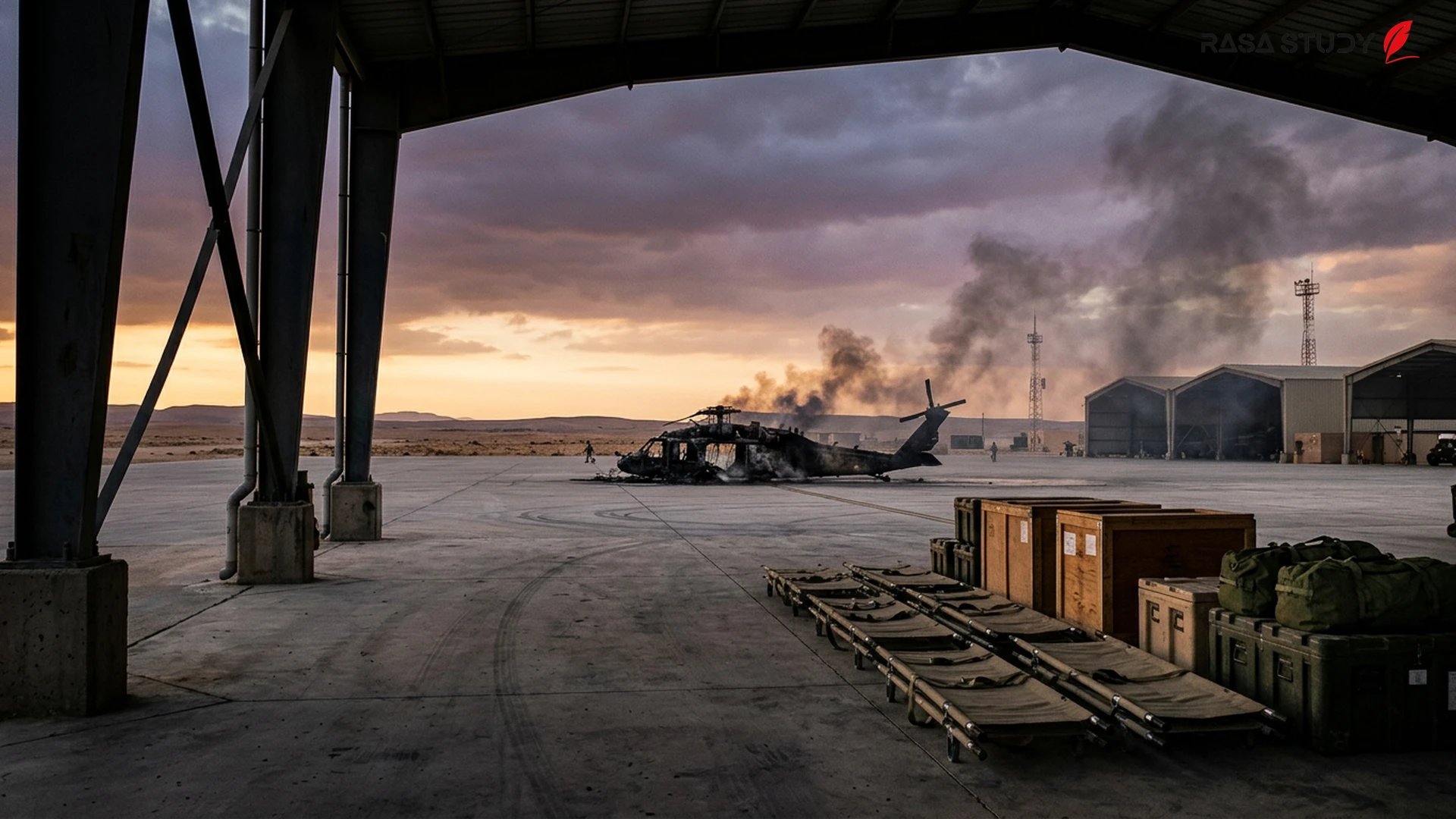
Attack on Nuclear Infrastructure and Counter-Response One of the most serious developments today is the attack by US forces on the "Darkhovin" nuclear power plant under construction in Khuzestan province. The Atomic Energy Organization of Iran described this action as a clear crime against international law [5]. In response to these attacks, the Islamic Revolutionary Guard Corps has warned that as long as America's "evil actions" continue, it will not allow even a single drop of oil or gas to leave the region [4]. This threat has been accompanied by drone and missile attacks on US bases in Kuwait, Bahrain, and Jordan, indicating the breadth of the battlefront across a 3,000-kilometer path from Amman to the Strait of Hormuz [3].
Jabbar Shiktash's Analysis of Regional Stability In his note in the Yeşil Iğdır newspaper, Shiktash emphasizes that Iran's resilience against these pressures has changed the balance of power near Turkey's borders. He believes that the goal of the Front of Evil is the economic and structural collapse of Iran, but Tehran has prevented the realization of this plan by using leverage in the Strait of Hormuz and regional alliances [1]. The veteran journalist warns that any instability in Iran will directly affect the security of Turkey's eastern borders and the region's trade routes.
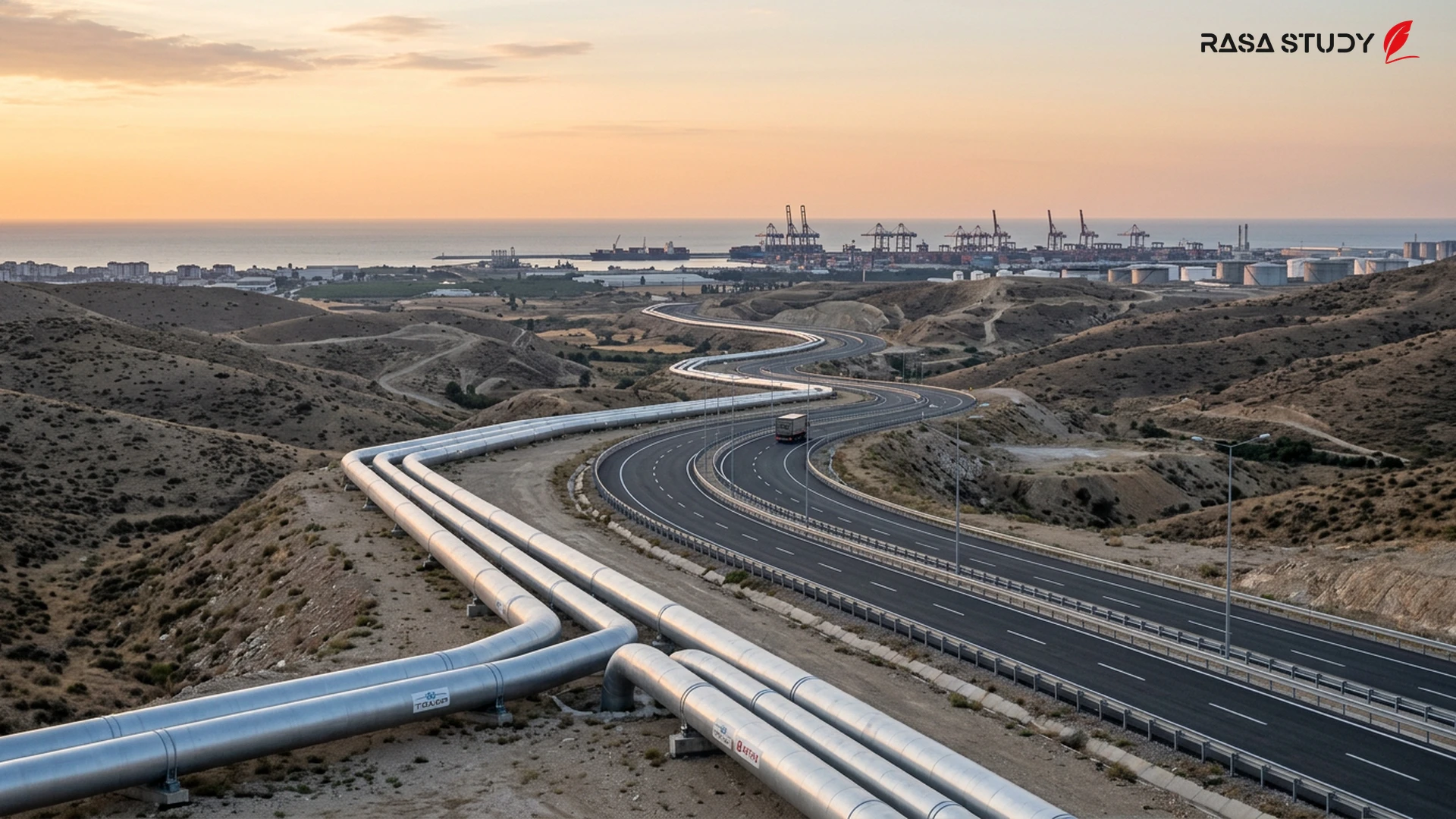
Looking to the Future; Confrontation or Diplomacy? Given the current situation on July 19, 2026, a return to the negotiating table seems unlikely. While energy prices in global markets have risen sharply due to reduced traffic in the Strait of Hormuz, Iran emphasizes a strategy of "active resistance" [4]. Analysts believe Shiktash's words reflect a viewpoint held by parts of the regional media elite; a view that sees Iran as a barrier against the redesigning of geopolitical maps by extra-regional powers.
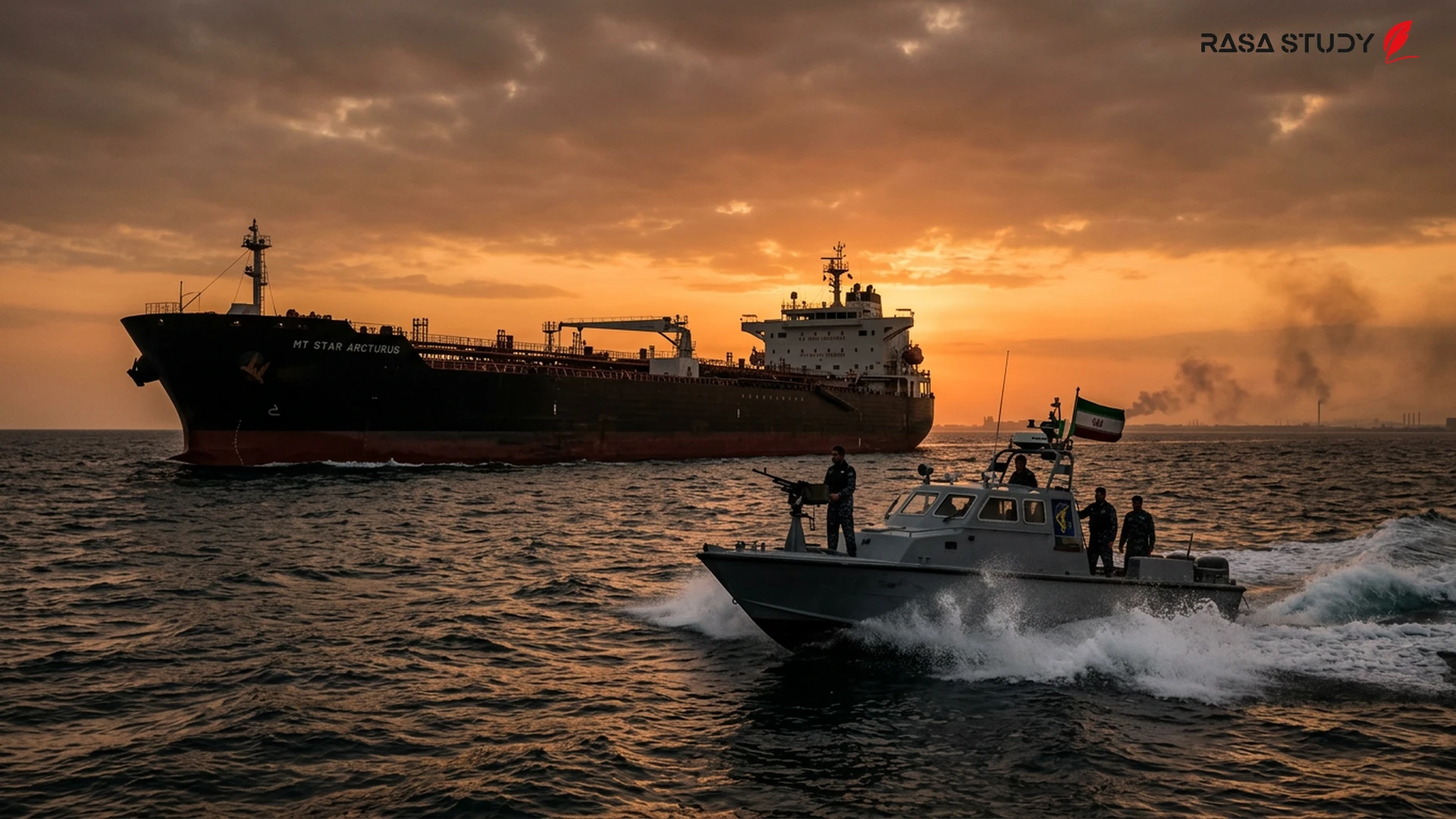
Military confrontation in the Persian Gulf; Iran has threatened to stop energy exports in response to attacks by the Front of Evil.
linkSources
- Cabbar Şıktaş: İran Yine Şer Cephesine Karşı — Yeşil Iğdır Gazetesi (2026-07-19)
- US forces launch new wave of strikes against Iran — Morung Express (2026-07-19)
- Iran opens a 3,000-km. front across the Gulf in bid to stretch US defenses — Jerusalem Post (2026-07-12)
- Iran: Not a 'single drop' of oil or gas will depart region if US continues 'evil actions' — The Times of Israel (2026-07-14)
- Iran Atom Enerjisi Kurumu: ABD, Darhovin nükleer enerji santraline saldırdı — BirGün (2026-07-19)