Following the signing of a historic memorandum of understanding between Tehran and Washington, the first group of Iranian commercial ships and tankers successfully passed through the naval blockade zone in the Strait of Hormuz without any obstacles.
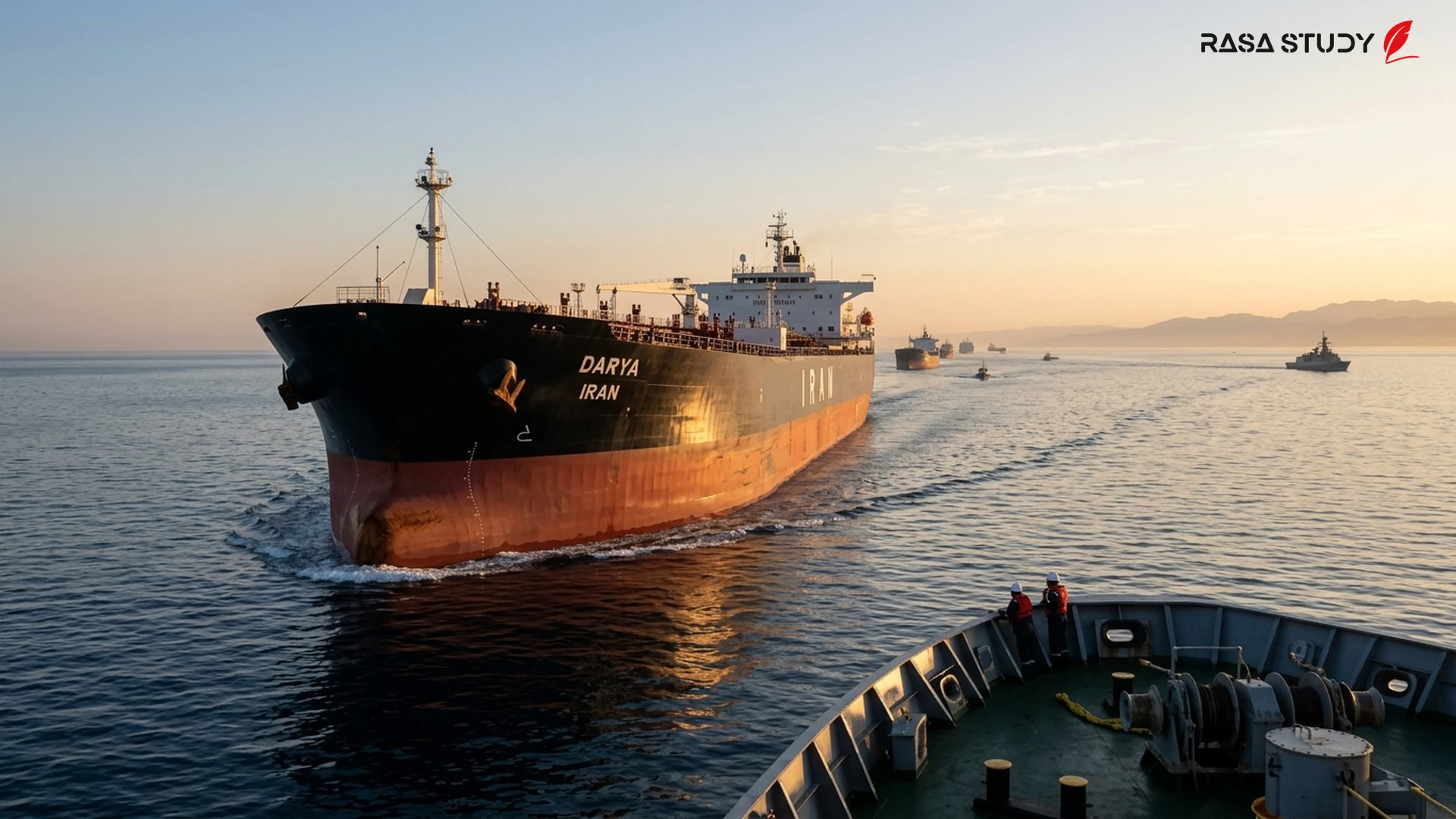
Details of the Iranian Commercial Fleet's Passage Through the Crisis Zone According to reports published by the economic media BloombergHT and official news agencies, in the early hours of today, June 16, 2026, five Iranian vessels, including three Very Large Crude Carriers (VLCC) and two cargo ships carrying essential goods and livestock feed, successfully passed through the United States naval blockade [1]. These ships, which had been halted for months due to military tensions in the region, resumed their routes toward destination ports in Iran and international markets after US President Donald Trump issued the order to lift the blockade [2]. Navigational sources have confirmed that this passage took place without any intervention or tension, representing the first practical step in implementing the recent agreements.
Provisions of the June 2026 Memorandum and the Role of Mediators This major development occurred just one day after senior Iranian and US officials agreed on a Memorandum of Understanding (MoU) to end the 107-day conflict [3]. This agreement, achieved through the active mediation of Pakistani Prime Minister Shehbaz Sharif, includes a 60-day ceasefire period and the gradual reopening of strategic maritime routes. According to reports, the document was signed electronically by Mohammad Bagher Ghalibaf on behalf of Iran and Donald Trump and JD Vance on behalf of the United States [4]. Under the terms of this memorandum, in addition to lifting the naval blockade, a portion of Iran's frozen assets will be released to pave the way for final negotiations in Switzerland.
Global Reactions and Impact on Energy Markets The news of the safe passage of Iranian ships and the lifting of the blockade immediately affected global markets. Brent crude oil prices fell by more than 3% to approximately $83 per barrel, as traders hope that with the full reopening of the Strait of Hormuz on Friday, June 19, the flow of energy to global markets will return to normal [3]. However, international maritime organizations such as the IMO, while welcoming the agreement, have advised shipping companies to continue to act with caution due to the possible presence of sea mines and remaining security ambiguities [4]. Meanwhile, reports indicate dissatisfaction among some of America's regional allies regarding this sudden agreement, which could bring new diplomatic challenges in the coming days.
Outlook for Stability in the Strait of Hormuz Although the passage of these five ships is considered a diplomatic victory for both parties, the sustainability of this situation depends on strict adherence to the provisions of the memorandum over the next 60 days. Iranian officials have stated that they will closely monitor the full lifting of oil and petrochemical sanctions [2]. On the other hand, Washington emphasizes security guarantees regarding Iran's nuclear program. With the formal signing of the agreement scheduled for Friday, the world is watching closely to see if this "maritime diplomacy" can lead to a lasting peace in one of the world's most sensitive regions.
First fruits of the peace agreement: Iranian tankers began their journey in international waters after months of blockade.
linkSources
- İran gemileri, mutabakatın ardından abluka bölgesinden sorunsuz bir şekilde geçti — Bloomberg HT (2026-06-16)
- پایان محاصره دریایی آمریکا با عبور کشتیهای ایرانی — Donya-e-Eqtesad (2026-06-15)
- US-Iran agreement to end hostilities 'complete' — Argus Media (2026-06-15)
- Three tankers and two cargo ships pass through U.S. naval blockade zone — APA News (2026-06-16)