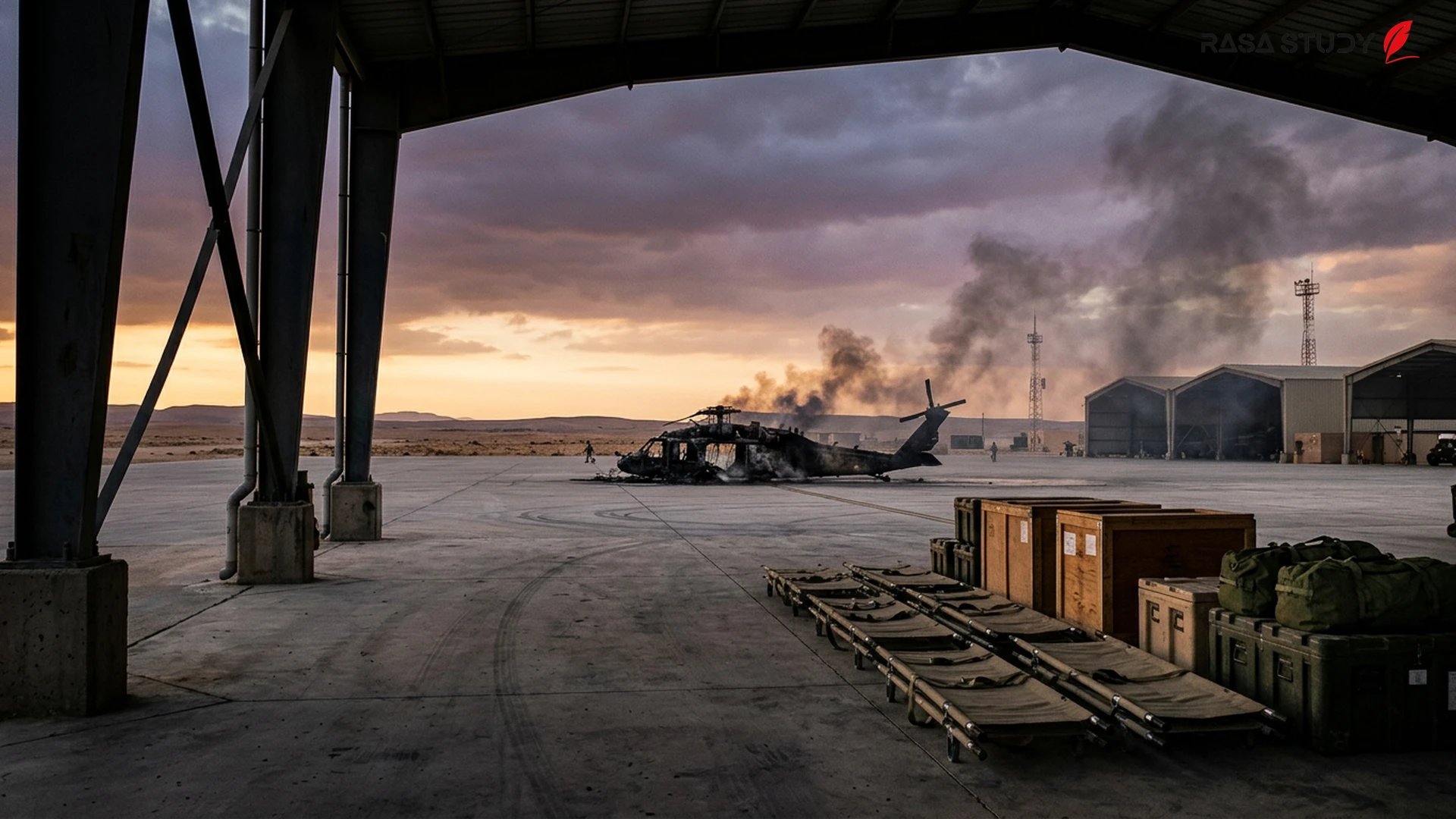
The Islamic Revolutionary Guard Corps (IRGC) announced today, Saturday, June 27, 2026, that in response to US Army airstrikes on Iran's southern coasts, it has targeted US positions and troop deployment centers in the region.
Details of the IRGC Counterattack on US Positions Early this morning, Saturday, June 27, 2026 (7 Tir 1405), the Navy of the Islamic Revolutionary Guard Corps (IRGC) confirmed in an official statement that it targeted the bases and deployment points of the US Army in the region [1]. This action took place after reports of heavy explosions near the "Tahrouyi" pier in the coastal city of Sirik, located in Hormozgan province. In its statement, the IRGC emphasized that these attacks were a direct response to the "aggressions of the terrorist US Army" on Iranian soil and warned that in case of any repeat of hostile actions, subsequent responses would be much broader and more crushing [2].
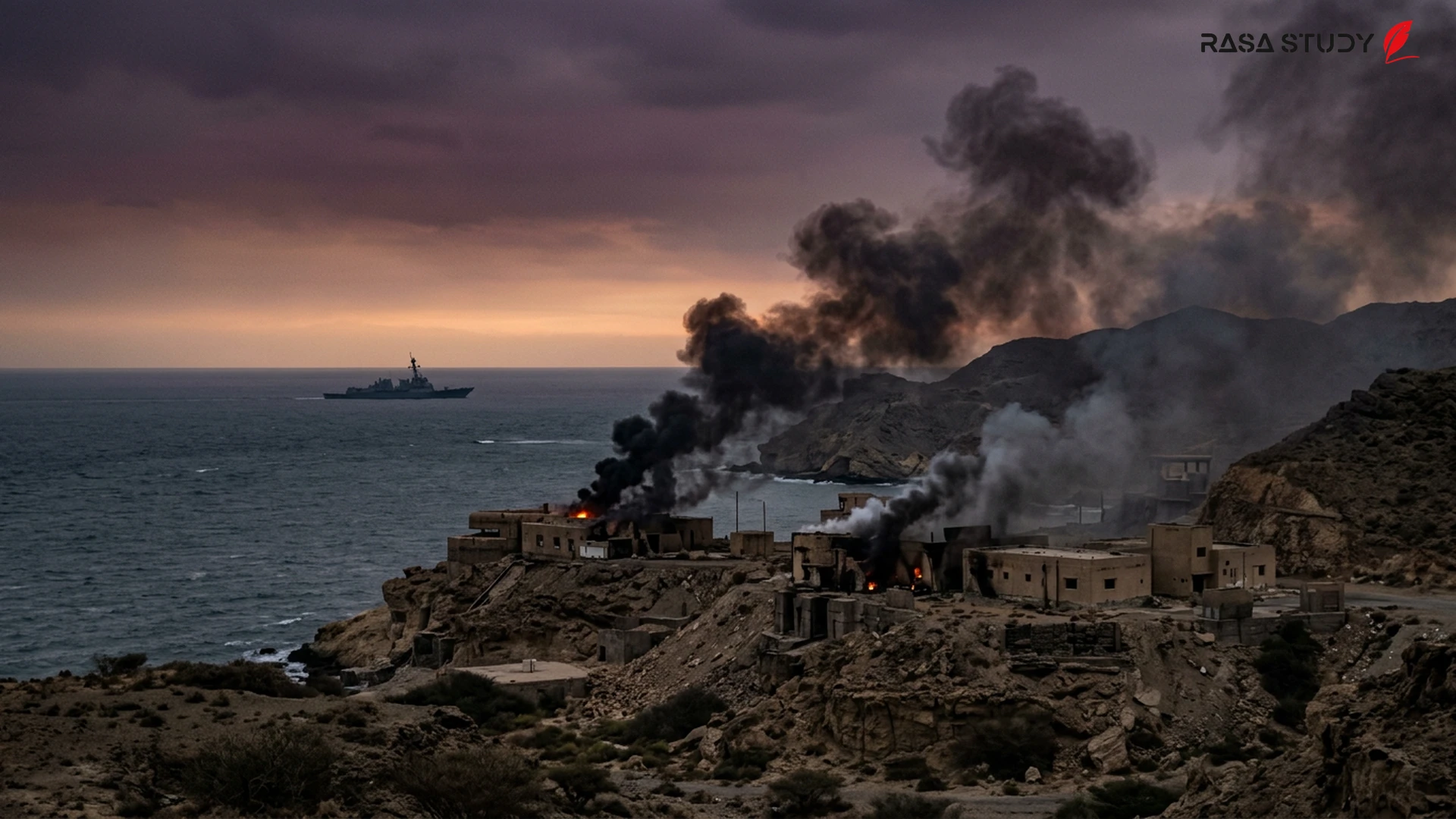
Roots of the Conflict; From Container Ship to Sirik Bombing Recent tensions began on June 25, when the US Central Command (CENTCOM) claimed that Iran attacked a Singapore-flagged container ship named "M/V Ever Lovely" at the exit of the Strait of Hormuz using suicide drones [3]. In response to this incident, US fighter jets targeted positions on Iran's southern coasts last night, including missile and drone warehouses and radar facilities in the Sirik region. CENTCOM described these attacks as a "powerful response" to Iran's threats against freedom of navigation [5]. However, Tehran officials claim that the encounter with the said ship was due to it following an unauthorized route and violating maritime laws.
Violation of the Islamabad Memorandum and Crisis in the Strait of Hormuz These military clashes occur while only 10 days have passed since the signing of a new memorandum between Iran and the United States in Islamabad [4]. In today's statement, the IRGC, citing Article 5 of this memorandum, emphasized that maritime traffic control in the Strait of Hormuz is Iran's responsibility and accused Washington of provoking various parties to violate this agreement [2]. In contrast, US Vice President JD Vance released a message stating that Washington has remained committed to the agreement but "responds to violence with violence" and called on Tehran to use diplomatic channels to resolve disputes instead of military conflict [5].
Political Reactions and Regional Outlook US President Donald Trump, in a message on the "Truth Social" social network, described Iran's actions as a clear violation of recent agreements [5]. Simultaneously, US Secretary of State Marco Rubio, in a joint statement with the Gulf Cooperation Council countries, called for guaranteeing international shipping security. Analysts believe that despite recent diplomatic efforts, the direct confrontation between the two countries' naval forces in the Strait of Hormuz has placed the region on the brink of a full-scale military crisis that could severely affect the stability of energy markets [3][4].
The IRGC announced that today's attacks were a response to the violation of Iranian sovereignty and US airstrikes on the Sirik region.
linkSources
- İran Devrim Muhafızları Ordusu: ABD ordusunun bölgedeki konuşlanma noktalarını vurduk — BloombergHT (2026-06-27)
- سپاه پاسداران مواضع ارتش آمریکا در منطقه را هدف قرار داد — Anadolu Agency (2026-06-27)
- IRGC strikes US bases after attack on Iran — Mehr News Agency (2026-06-27)
- ایران و امریکا از حملات تازه علیه یکدیگر خبر دادند — Etilaat Roz (2026-06-27)
- سپاه پاسداران از هدف قرار دادن پایگاههای ایالات متحده در خلیج خبر داد — Kurdistan24 (2026-06-27)