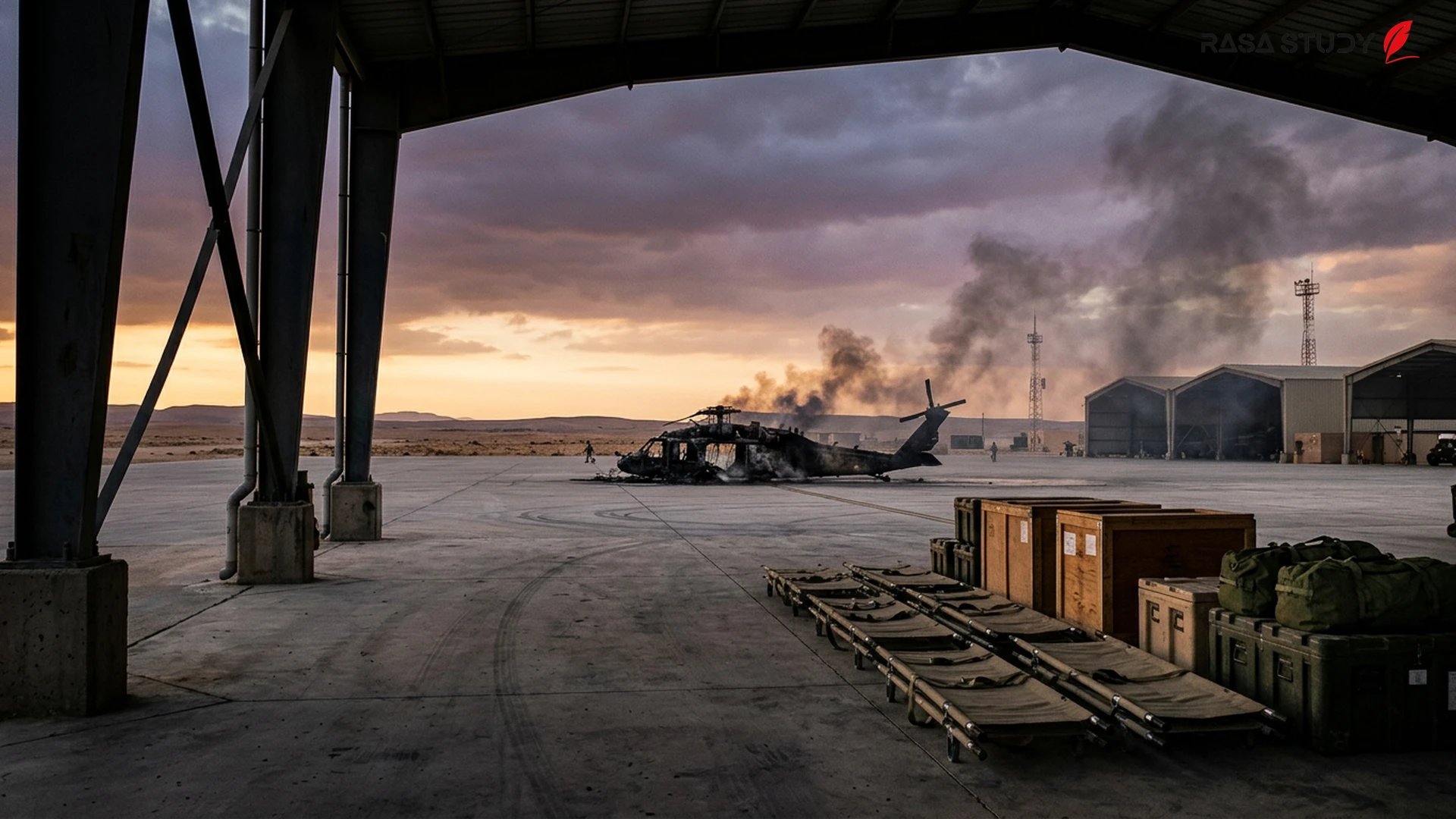
The Israeli military today, June 14, 2026, declared a state of emergency and is preparing for retaliatory Iranian missile strikes after conducting deadly airstrikes in Beirut. These tensions have placed the historic peace agreement between Washington and Tehran on the brink of collapse.
Bloody Attack on Beirut and Ceasefire Violation In the early hours of today, Israeli military jets targeted the "Dahiyeh" area in southern Beirut with heavy strikes. Initial reports indicate that at least 8 civilians lost their lives and dozens were wounded in this attack [1]. The Israeli military claimed that this operation was in response to recent Hezbollah drone attacks on northern occupied territories. However, the intensity of destruction and civilian casualties in Beirut has sparked a wave of anger across the region, with many viewing this action as a clear violation of recent security understandings [4].
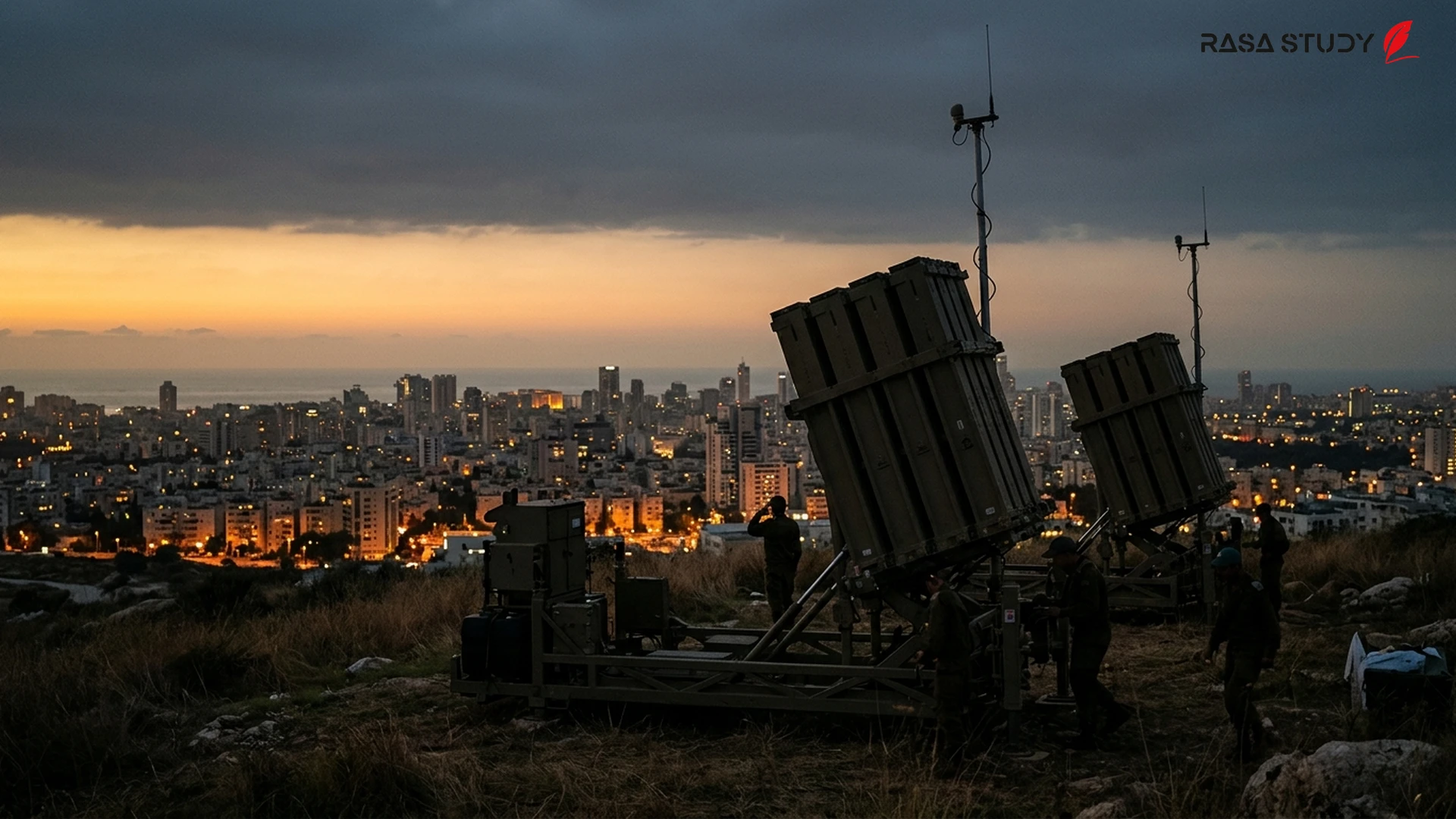
Military Alert and Fear in Tel Aviv Immediately following the attack, Eyal Zamir, the Chief of the General Staff of the Israel Defense Forces, announced that defense forces are on full alert for a potential Iranian missile response in the coming hours [2]. The Israeli military issued a statement emphasizing that all defense units, including the Iron Dome and Arrow systems, are at maximum operational status. Regional media report a sense of "fearful anticipation" prevailing over the political and military atmosphere in Tel Aviv, as intelligence officials assess the probability of ballistic missile launches from Iranian soil as very high [1][5].
Tehran's Sharp Reaction and the Risk of Peace Deal Collapse Mohammad Bagher Ghalibaf, the Speaker of the Iranian Parliament, in a sharp reaction to these attacks, threatened Israel with a "painful response" and stated that these crimes would not go unpunished [1]. These tensions reached their peak on the very day that a peace memorandum of understanding between Iran and the United States was scheduled to be signed. Iranian officials have warned that Israel's provocative actions could derail the entire diplomatic process [3]. Simultaneously, reports of widespread cyberattacks on Iran's banking infrastructure have been published, adding to the complexity of the situation.
Trump's Anger and Diplomacy on the Edge U.S. President Donald Trump, who served as the primary mediator for the recent peace agreement, strongly criticized the timing of the Israeli attack in a message on the social network "Truth Social." Trump wrote: "Today's attack on Beirut should not have happened, especially on a day when we are so close to a major peace deal with Iran" [5]. He called on both sides to exercise restraint, but analysts believe that given the red alert status on the borders and Tehran's explicit threats, the Middle East is once again on the brink of a full-scale conflict [2][4].
A view of Beirut's Dahiyeh after Israeli military airstrikes on June 14, 2026
linkSources
- Siyonistlerden kanlı saldırı sonrası korku dolu bekleyiş! Beyrut'u vuran katil İsrail ordusu İran füze tehdidi karşısında teyakkuza geçti! — Yeni Akit (2026-06-14)
- IDF preparing for imminent Iran attack, Eyal Zamir says — The Jerusalem Post (2026-06-14)
- Iran warns Israel's Beirut strike could derail U.S. deal — Axios (2026-06-14)
- Israel says it's preparing for 'potential' incoming fire in 'coming hours' — Al Arabiya (2026-06-14)
- Israeli Military Warns of Strikes From Iran — The Media Line (2026-06-14)