As negotiations between Tehran and Washington reach their final stages, Israel has taken a hardline stance, declaring that its reaction to potential agreements will not be subject to United States decisions and that it will maintain its independence of action.
Following recent diplomatic developments and the signing of the so-called "Islamabad Memorandum" between Iran and the United States, relations between Tel Aviv and Washington have reached one of their most critical periods. Senior Israeli officials, expressing deep dissatisfaction with the Trump administration's diplomacy with Tehran, have warned that they will not sacrifice their national security for international agreements [1].
Tel Aviv's Explicit Warning: We Are on a Collision Course Miki Zohar, Israel's Minister of Culture and Sport, sharply criticized the US government for ignoring Iranian nuclear threats during a controversial speech at the local government conference in Tel Aviv. He stated that Washington has not yet understood the depth of the danger it faces. In an unprecedented statement, Zohar warned: "The United States will find itself on a collision course with Israel in the near future, and our response to the US will not be automatic" [2]. This phrase indicates that Israel will no longer necessarily comply with Washington's requests for restraint.
The Islamabad Memorandum; The Root of Disagreements Tensions escalated when, on June 17, 2026, Donald Trump and Masoud Pezeshkian signed a memorandum to end military conflicts and reopen trade routes [3]. This agreement, which includes lifting the naval blockade of Iran and establishing a $300 billion reconstruction fund, has been described by Israel as a "reward for terrorism." Israeli Prime Minister Benjamin Netanyahu had previously stated that his country was not informed of the exact details of this agreement and does not consider itself bound by its provisions [5].
Strategic Rift Between Netanyahu and Washington Analysts believe this dispute goes beyond a diplomatic misunderstanding. While Washington seeks to exit Middle East wars and focus on economic stability, the Netanyahu government sees the continuation of military pressure on Iran and Hezbollah as its only way to survive [3]. US Vice President JD Vance, in response to criticisms from Israeli ministers, has asked them not to attack their only powerful ally in the world, a message indicating a decrease in Washington's strategic patience [2].
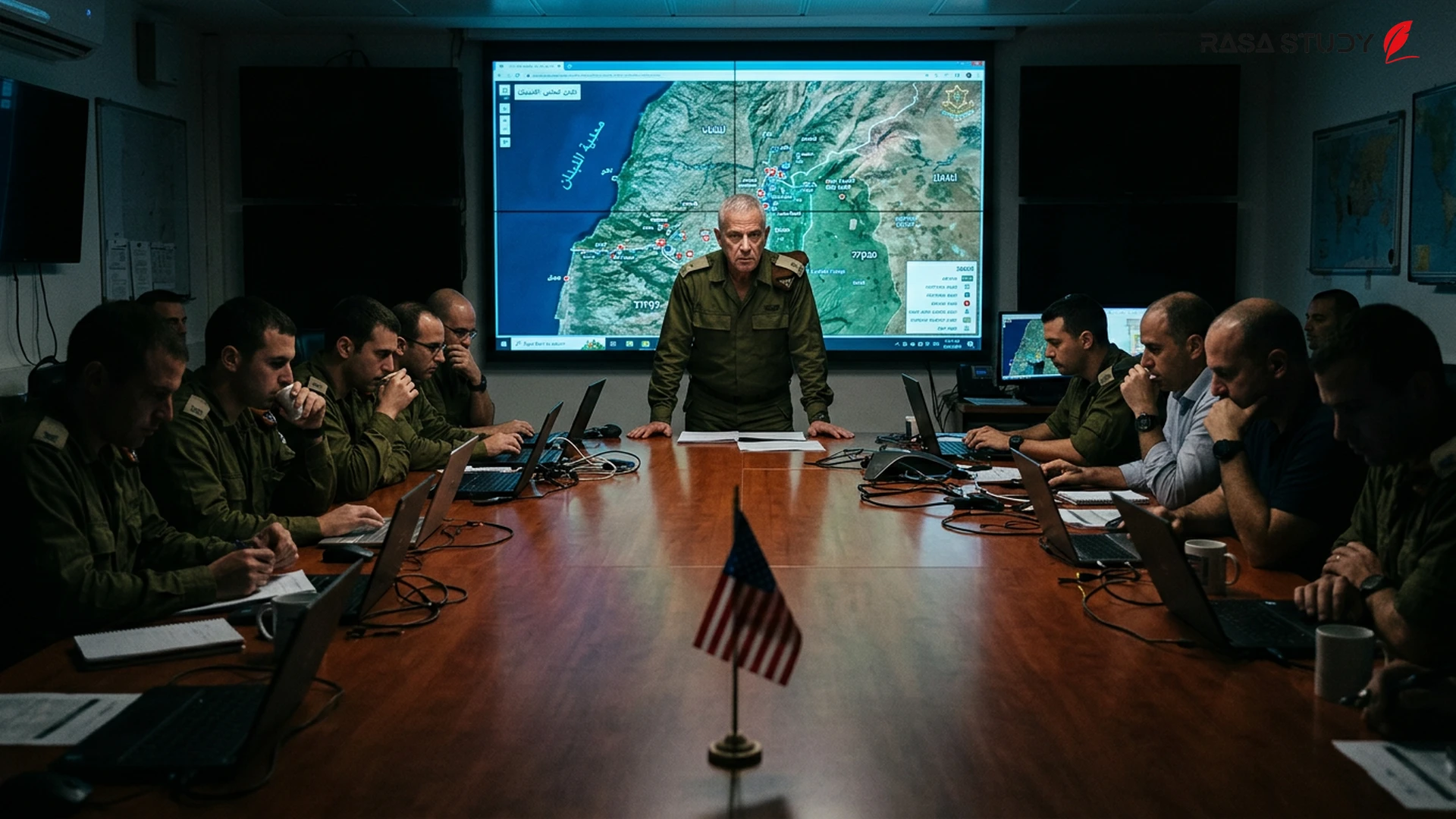
Continued Fighting in Lebanon Despite the ceasefire announcement in the Islamabad Memorandum, clashes continue in southern Lebanon. Reports indicate that Israeli airstrikes on positions in Lebanon have led to the postponement of technical negotiations in Switzerland [4]. Israel emphasizes that it will continue its operations until the full withdrawal of threatening forces from the northern borders, even if this action goes against the explicit wishes of the White House [1]. This situation has placed the region on the brink of a potential confrontation between Israel's security interests and America's diplomatic plans.
Israeli minister warned that Tel Aviv is on a collision course with Washington's new policies toward Iran.
linkSources
- İsrail’den İran müzakerelerine sert çıkış: ABD'ye vereceğimiz yanıt otomatik olmayacak — Ekonomim (2026-06-24)
- Israeli minister warns US will soon find itself 'on collision course' with Tel Aviv over Iran deal — Anadolu Agency (2026-06-24)
- The biggest casualty of the US-Iran deal may not be Israel's Iran strategy, but Netanyahu himself — Asharq Al-Awsat (2026-06-25)
- Talks between the U.S. and Iran in Switzerland have been postponed — NPR (2026-06-19)
- Prime Minister Benjamin Netanyahu: Israel does not know terms of US-Iran nuclear deal — The Jerusalem Post (2026-06-15)