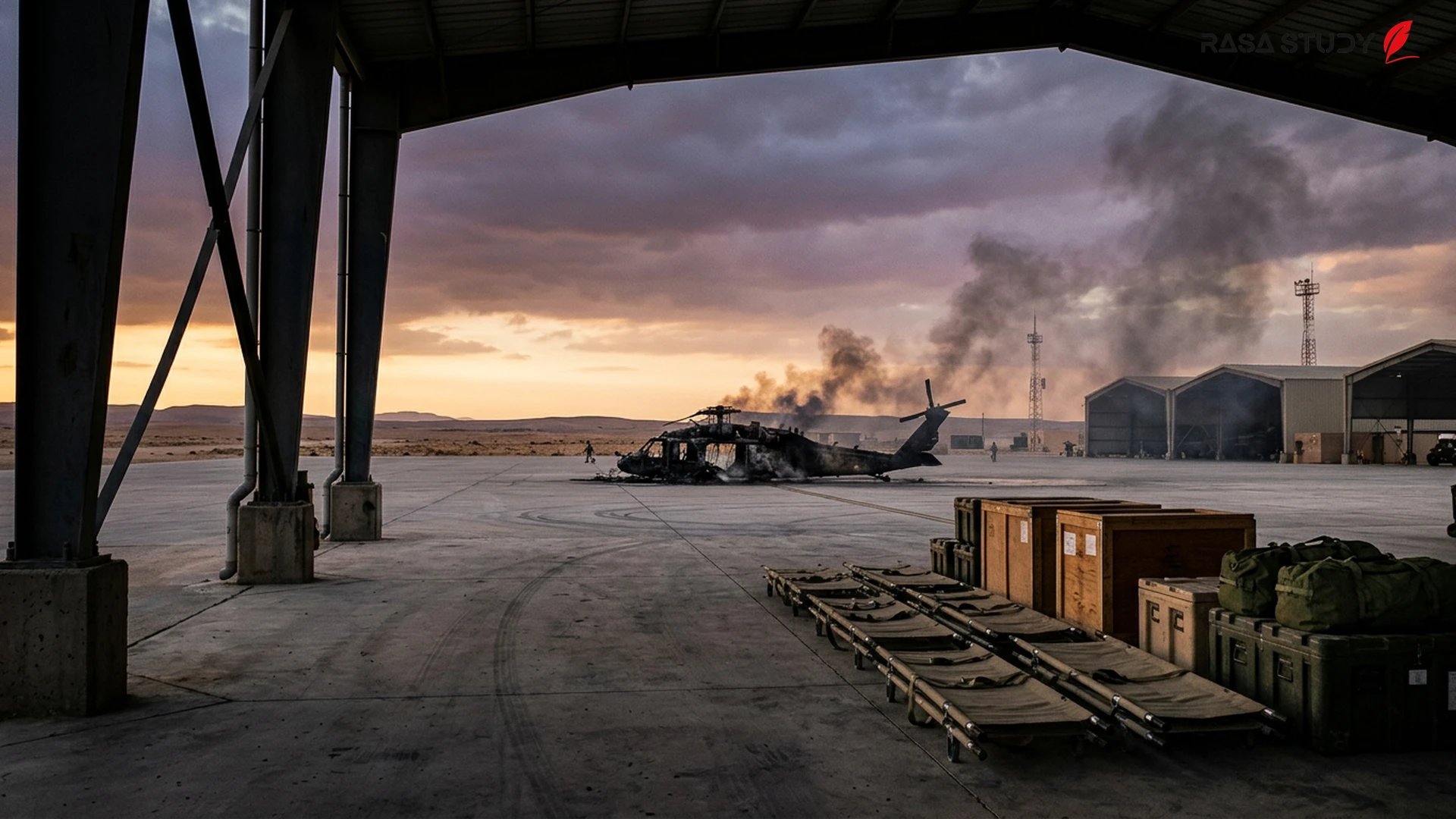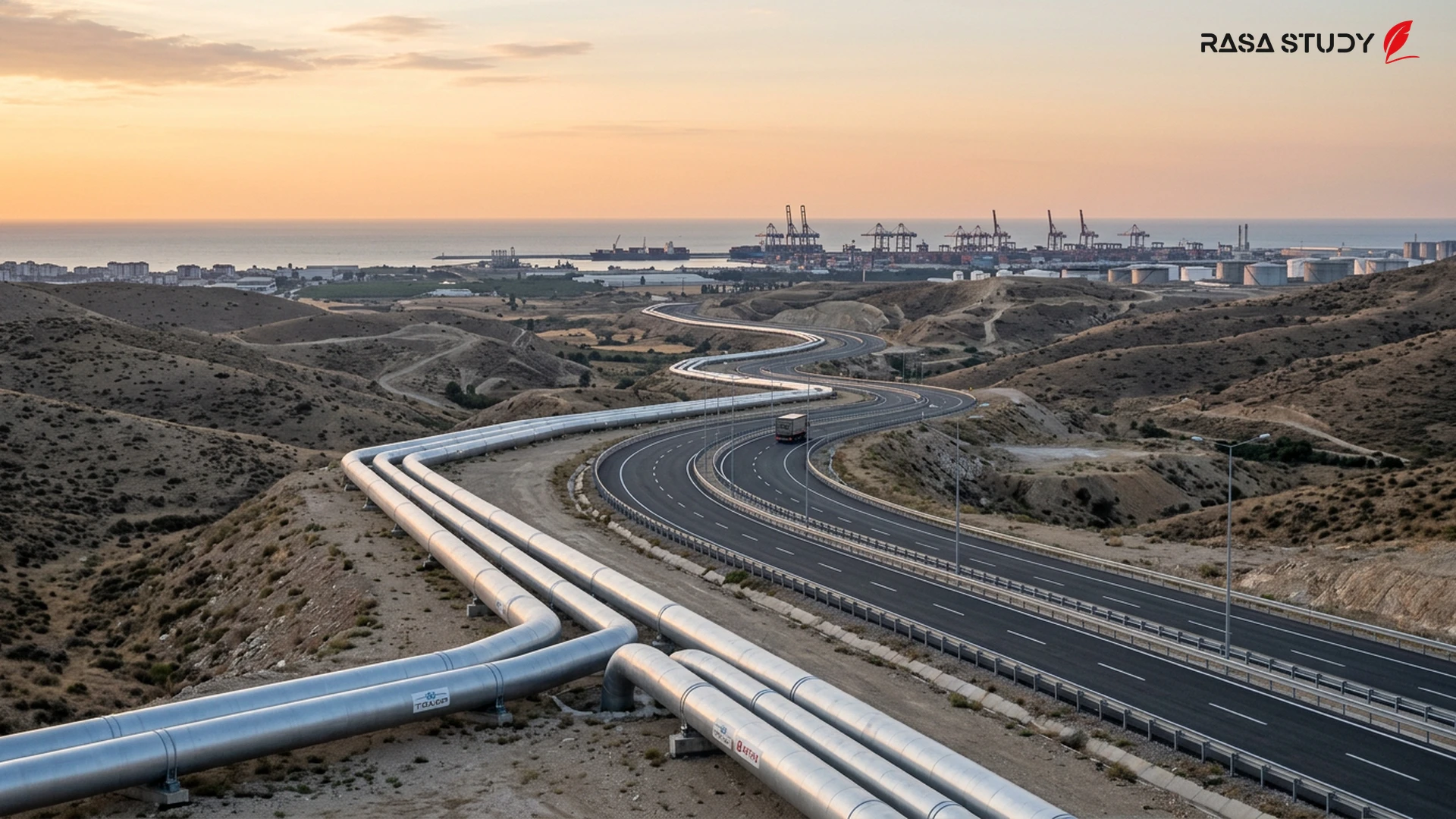
As the flames of direct conflict between Iran and Israel subside in early 2026, reports now indicate a fundamental shift in Tel Aviv’s military strategy and the identification of new regional targets.
The Post-Iran Era; Tel Aviv’s New Doctrine Following the military campaign known as Operation Epic Fury in February 2026, which led to extensive changes in Iran’s power structure, the Middle East has entered a new phase of instability [4]. Although the Islamabad Agreement in June 2026 established a fragile ceasefire, Israeli officials believe that threats against the state have not vanished but have merely transformed. Analytical reports suggest that Israel is now redefining the concept of the 'enemy' to maintain its military budgets and internal cohesion [1].
Turkey: The 'New Iran' in the Eyes of Israeli Leaders? One of the most shocking developments in July 2026 is the change in tone from senior Israeli officials toward Ankara. Naftali Bennett, recognized as a primary rival to Netanyahu in the upcoming elections, explicitly stated that 'Turkey is the new Iran' [1]. He claimed that Ankara is attempting to establish a 'Sunni Axis' involving Pakistan and Saudi Arabia against Israel. This new narrative portrays Turkey not as a trade partner or NATO member, but as a strategic threat intending to expand its influence along Israel’s northern borders [3].
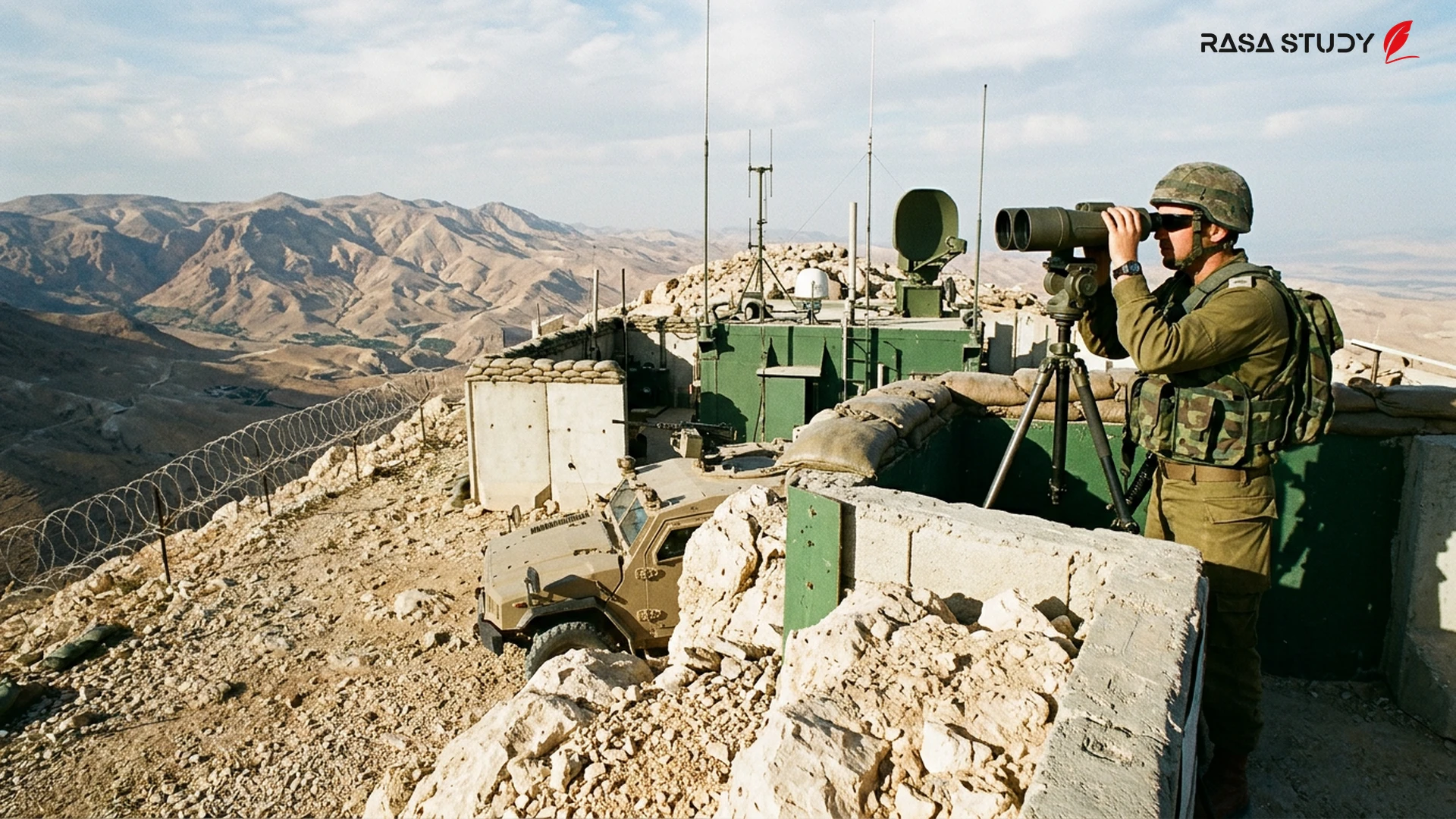
Continued Presence in Lebanon and Syria: The 'Security Belt' Strategy While the international community focuses on diplomacy, Israeli Defense Minister Israel Katz has emphasized that military forces will remain indefinitely in 'security zones' within Lebanon, Syria, and Gaza [2]. Despite the ceasefire, Israel continues targeted strikes against Hezbollah infrastructure in southern Lebanon, claiming it will not withdraw until the group is fully disarmed [2]. This ongoing military presence indicates that Tel Aviv intends to maintain its peripheral fronts as buffers against any potential threats.
The Gap Between Washington’s Diplomacy and Israeli Goals The Trump administration in Washington is applying significant pressure to stabilize regional agreements and normalize relations between Israel and Gulf nations. However, by rejecting the terms of the United States-Iran Memorandum of Understanding, Israel has demonstrated that it is pursuing an independent path [3]. This strategic divergence has led Tel Aviv to seek new enemies that do not necessarily align with American diplomatic priorities. In this context, geopolitical competition with Turkey over influence in the Eastern Mediterranean and the Levant has become a central pillar of Israeli foreign policy in the second half of 2026 [1].
The shift in Israel's military posture in the region following the fragile ceasefire with Iran and the focus on new fronts.
linkSources
- “Yeni Düşman Arayışı”: İran’dan Sonra İsrail’in Hedefinde Hangi Ülkeler Var? — perspektif.eu (2026-07-08)
- Israel will remain in territory occupied in Lebanon, Syria, Gaza 'indefinitely' — Middle East Monitor (2026-07-02)
- The Post-Iran Doctrine: IDF's focus shifts to the 'Ring of Fire' — Jerusalem Post (2026-07-08)
- Operation Epic Fury: The 2026 US-Israel Military Campaign against Iran — Britannica (2026-07-08)