As the world awaits the signing of a peace agreement between Iran and the United States in Geneva, analysts warn that closing the file on direct conflict with Tehran may signal the start of a broader Israeli offensive on parallel fronts.
Today, June 16, 2026, the Middle East stands on the brink of a historic turning point. After months of intense conflict that began in February 2026, reports indicate that the United States and Iran have reached a comprehensive agreement to end hostilities, scheduled to be officially signed on June 19 in Geneva [2]. However, while the "Iran file" is closing for Washington, the critical question is: where will Israel, as the dissatisfied actor in this equation, open its new front? [1]
The Geneva Agreement and Israel's Strategic Isolation The recent agreement between the Donald Trump administration and Tehran, which includes reopening the Strait of Hormuz and lifting the naval blockade on Iran, has been met with a cold reaction from Tel Aviv. Israeli Prime Minister Benjamin Netanyahu emphasized in a recent press conference that Israel does not consider itself bound by the terms of an agreement that ignores its national security [4]. Analysts believe Israel feels left behind closed doors in these negotiations and is now seeking a show of force on other fronts to restore its deterrence power.
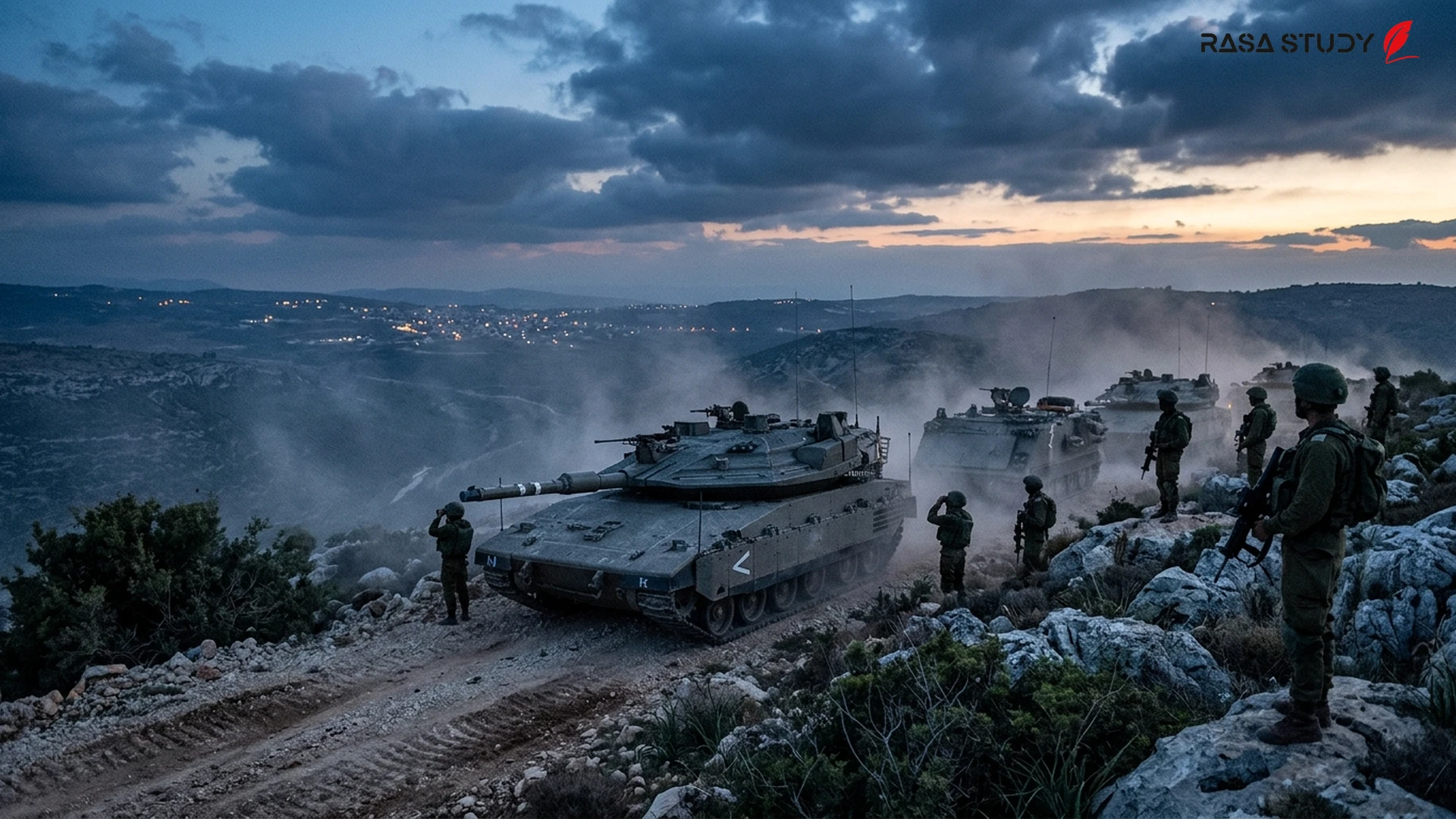
Lebanon: The Front That Remains Ablaze Contrary to international optimism, the situation on Israel's northern borders remains critical. Despite the declaration of a general ceasefire, the Israel Defense Forces (IDF) continue their operations in southern Lebanon. Israeli Defense Minister Israel Katz has explicitly stated that the country's forces will not withdraw from "security zones" in Lebanon [3]. Field reports show that Israel has taken control of approximately 1,000 square kilometers of territory in Lebanon, Syria, and Gaza, and is establishing permanent military bases in these areas [3]. This suggests that Lebanon is the most likely flashpoint for the next explosion.
Syria and the West Bank: Parallel Targets In addition to Lebanon, Syria is also under heavy pressure. Recent Israeli attacks on the outskirts of Beirut and targets within Syrian territory demonstrate a strategy of "separating the fronts"; meaning Tel Aviv is attempting to decouple the conflict with proxy groups from the grand bargain with Iran [2]. Furthermore, some analysts in Turkey warn that Israel may move toward security provocations in areas that directly conflict with Ankara's interests to challenge the regional influence of its rivals [1].
Tension Between Trump and Netanyahu One of Israel's biggest obstacles in opening a new front is unprecedented pressure from the White House. President Trump has strongly criticized Israeli attacks on Beirut in recent days, calling them an attempt to sabotage the peace agreement [2]. However, the far-right wing in the Israeli cabinet believes that now is the best time to finalize the work against Hezbollah and consolidate a presence in the Golan Heights and beyond. The field reality on June 16, 2026, shows that peace in Geneva will not necessarily mean tranquility on Israel's borders [4].
Israeli forces consolidating positions in security zones in southern Lebanon - June 2026
linkSources
- İran dosyası kapanırken İsrail yeni cepheyi nerede açacak? — Gazete Oku (2026-06-16)
- Iran Update Special Report, June 15, 2026 — ISW (2026-06-15)
- Israel expands military control in Gaza, Lebanon and Syria — Al Jazeera (2026-06-14)
- Israel to Keep Forces in Gaza, Lebanon and Syria, Netanyahu Says — Kurdistan24 (2026-06-15)