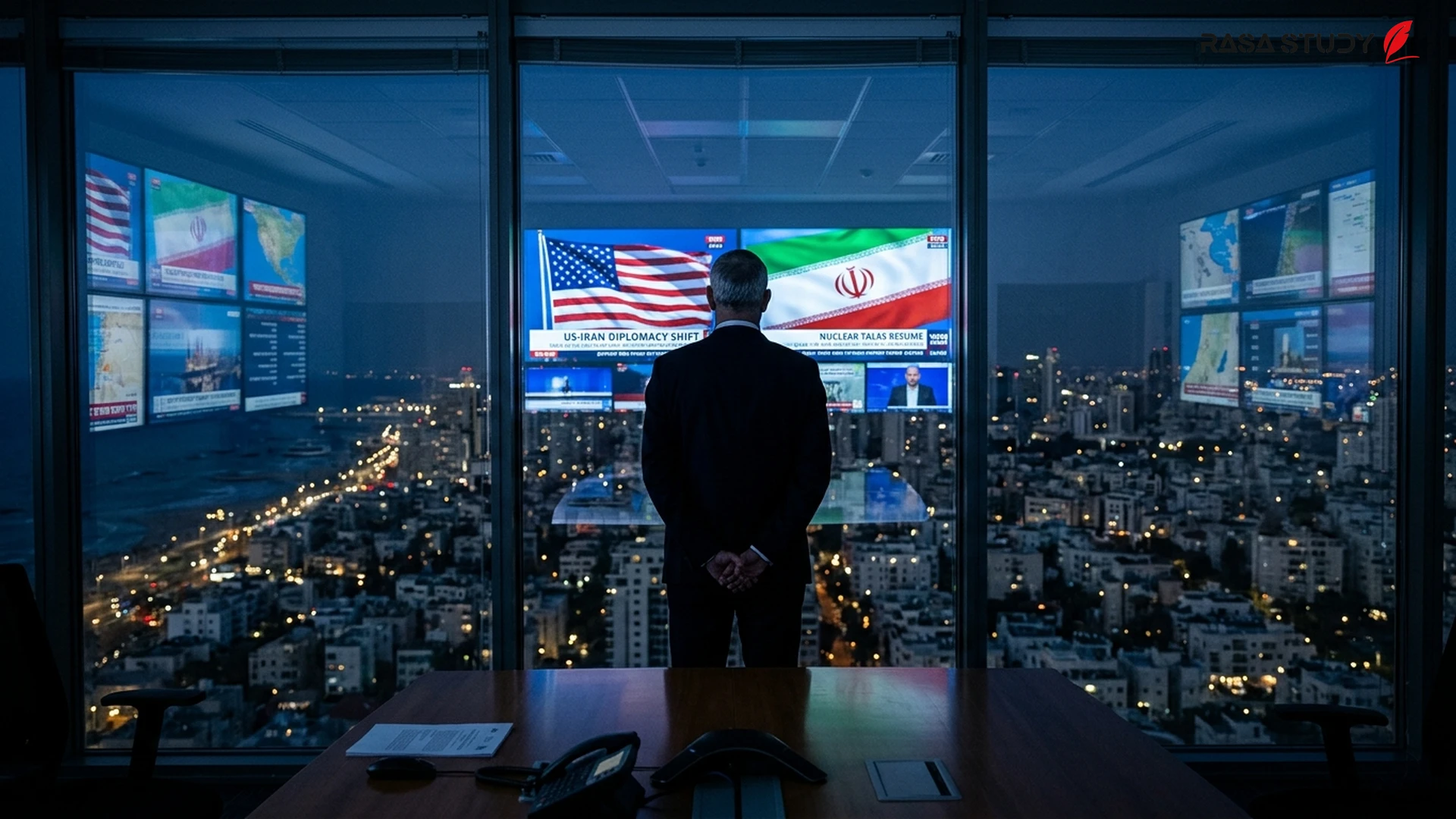
As Donald Trump announces the imminent signing of a deal with Iran on June 14, 2026, Israeli media report a wave of concern and anger in Tel Aviv; Israeli officials believe this deal ignores their security interests.
Today, June 14, 2026, while the world watches the potential signing of a historic agreement between the United States and the Islamic Republic of Iran, the political atmosphere in Tel Aviv is reported to be extremely tense. Hebrew-language media, reflecting the deep dissatisfaction of Israeli officials, claim that the Donald Trump administration has ignored Israel's strategic interests and sidelined Tel Aviv in the process of reaching this agreement [1].
A Deal that Bypassed Tel Aviv Reports published in the 'Ynet' news portal and Channel 12 television indicate that no one in the country's security and political establishments is satisfied with the terms of the new memorandum. A senior Israeli official explicitly told the media: "This deal is bad for us and seriously harms Israeli interests" [1]. It appears Tel Aviv feels it had limited influence on the negotiation process and that Washington has agreed to Tehran's main conditions [2]. Meanwhile, Donald Trump has emphasized with a firm tone that this deal must be signed and has even warned Benjamin Netanyahu that if sharp opposition continues, he might be left alone against regional threats [5].
Strategic Failure from the Perspective of Opposition and Analysts Yair Lapid, the leader of the Israeli opposition, described this agreement as a "complete failure" for Benjamin Netanyahu's policies. Lapid believes that this memorandum not only fails to curb Iran's missile program but also allows Tehran to rebuild its nuclear infrastructure and expand its regional influence [3]. Media outlets such as 'Al-Aziz' have also noted critically that Israel essentially has no desire to end the current situation and reach a real compromise, as the political survival of certain factions depends on the continuation of controlled tensions.
Controversial Details of the 2026 Deal According to leaked reports, this agreement focuses on reopening the Strait of Hormuz, lifting the naval blockade, and reducing economic sanctions, but has postponed the detailed examination of the nuclear file and Iran's missile restrictions to later stages [2]. Israeli security officials warn that this "interim agreement" only gives Iran the opportunity to release its frozen financial resources and strengthen its defensive power without providing a guarantee to stop uranium enrichment [4].
Preparation for Military Scenarios Despite Washington's optimism, the Israeli military has announced that it is keeping itself prepared for the scenario of failed negotiations and the possibility of direct conflict. Security sources emphasized that even if an agreement is signed between the US and Iran, Israel does not consider itself bound by its provisions and reserves the right to independent military action to defend its security [4]. This deep rift between Washington and Tel Aviv marks one of the most serious diplomatic crises between the two allies in recent decades.
Israeli media described the new deal between Washington and Tehran as a threat to their national security.
linkSources
- Israel expresses dissatisfaction with terms of upcoming US-Iran deal: report — Daily Excelsior (2026-06-14)
- نگرانی فزاینده رسانههای اسرائیلی از نزدیک شدن توافق ایران و آمریکا — Entekhab.ir (2026-06-14)
- Emerging US-Iran deal meets none of Israel's war goals: Ex-PM — Yeni Şafak English (2026-06-14)
- Tel Aviv anlaşmanın başarısız olmasını umuyor — Borsa Gundem (2026-06-13)
- Trump Tel Aviv'i aşağıladı: Ben olmasam İsrail diye bir şey olmazdı — Hürseda Haber (2026-06-11)


