Today, July 7, 2026, the world witnesses three major developments: Emmanuel Macron's presence in Syria after 17 years, Iran's decision to collect transit fees in the Strait of Hormuz, and Donald Trump's new stance on the Ukraine crisis.
France's Return to Damascus; End of 17-Year Isolation Emmanuel Macron, the President of France, arrived in Damascus on an unexpected visit, becoming the first French leader to meet with Syrian officials in 17 years [1]. The last visit at this level dates back to 2008 during the era of Nicolas Sarkozy. This diplomatic move signifies a fundamental shift in Paris's foreign policy and an attempt to reclaim the role of mediator in the Middle East. Analysts believe this meeting could pave the way for the reconstruction of Syria and the country's gradual return to the international community, although it has faced sharp criticism from some Western allies.
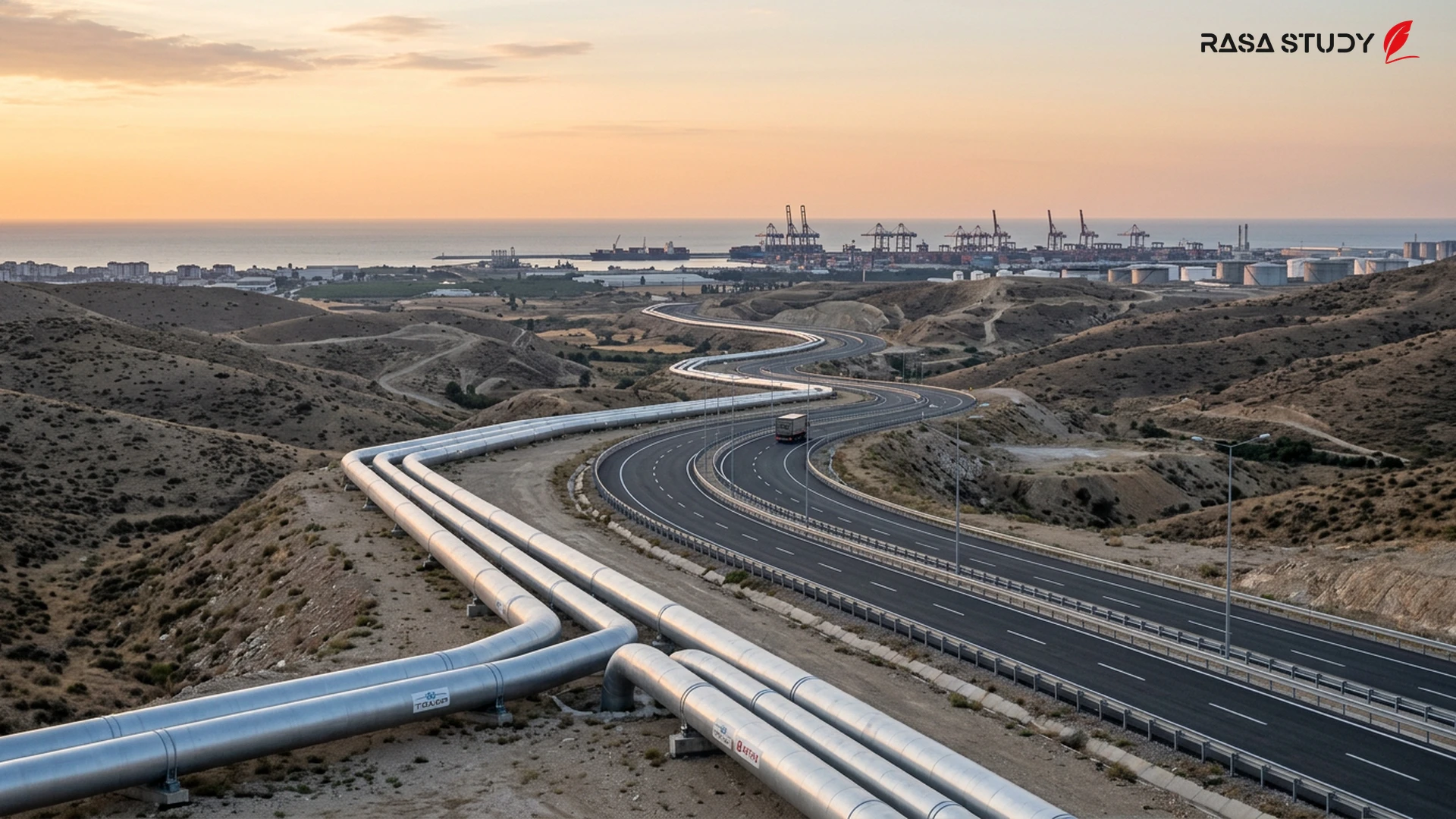
Iran's Controversial Plan; Transit Fees for the Strait of Hormuz In a move that could impact global energy markets and trade, Iran has announced its intention to collect transit fees from commercial vessels passing through the Strait of Hormuz [2]. This plan, which has been approved by the Iranian Parliament, is justified based on sovereignty over territorial waters and the costs of providing regional security. Tehran officials emphasized that these funds will be spent on protecting the marine environment and enhancing navigation security [4]. However, the United States and its allies have deemed this action contrary to international laws of free navigation and have warned of increased tensions in this vital waterway.
Trump's Message; Ultimatum to End the Ukraine War Simultaneous with these developments in the Middle East, Donald Trump has issued a new and decisive message addressed to the leaders of Russia and Ukraine [3]. Emphasizing the need for an immediate cessation of hostilities, Trump claimed to possess a comprehensive plan for establishing a lasting peace that would bring both sides back to the negotiating table. He warned that if the proposed framework is not accepted, Washington's approach toward military and economic support will change. This message comes as the front lines in Ukraine have reached an attritional stalemate and international pressure for a ceasefire has increased.
Analysis of Geopolitical Consequences The intersection of these three events in July 2026 indicates a transition to a new global order. On one hand, the normalization of relations with Damascus by a European power, and on the other, new challenges in energy transit routes, demonstrate the complexities of diplomacy in the modern era. Trump's message once again highlights the central role of the United States in determining the fate of European crises. The coming days will determine whether these developments lead to regional stability or spark new tensions.
Global diplomatic and economic developments in July 2026; from Damascus to the Persian Gulf
linkSources
- Macron in Damascus: A Major Shift in French Middle East Policy — France 24 (2026-07-06)
- Iran's Parliament Approves Transit Fees for Strait of Hormuz — IRNA (2026-07-05)
- Trump Issues New Ultimatum on Russia-Ukraine Conflict — Associated Press (2026-07-07)
- The Geopolitics of the Strait of Hormuz: Legal and Economic Implications — Al Jazeera (2026-07-06)