Canadian Prime Minister Mark Carney praised the recent agreement between the United States and Iran, calling it a "structural breakthrough" that could restore stability to the Middle East and pave the way for nuclear disarmament.
As the world closely follows diplomatic developments between Washington and Tehran, Canadian Prime Minister Mark Carney took a firm stance, describing the recent agreement as a turning point in modern history. Speaking to the media on the sidelines of the third day of the G7 summit in Évian-les-Bains, France, he emphasized that this memorandum is not just a simple deal, but a "game changer" for the entire region and the world [1][4].
Praising Diplomacy at the G7 Summit In an exclusive interview with CNN, Carney stated that he had viewed the text of the memorandum through his sources and that its content was "beyond expectations." He noted that the agreement is well-structured, with its core objective—ensuring Iran does not obtain nuclear weapons—at its center [2][5]. The Canadian Prime Minister believes that with this agreement, the "Rubicon" in relations between the two countries has been crossed, providing a basis for the reintegration of regional economies [2][8].
Key Details of the Washington-Tehran Memorandum According to published reports, the agreement, first revealed by Pakistani Prime Minister Shehbaz Sharif, includes a 14-point memorandum of understanding. The document emphasizes a 60-day ceasefire on all fronts, the cessation of military operations, and the immediate lifting of the United States naval blockade in the Strait of Hormuz [1][7]. Additionally, reports indicate that in exchange for the lifting of sanctions, access to frozen assets, and major financial guarantees, Iran has committed to working closely with the International Atomic Energy Agency to manage its nuclear program [6][8].
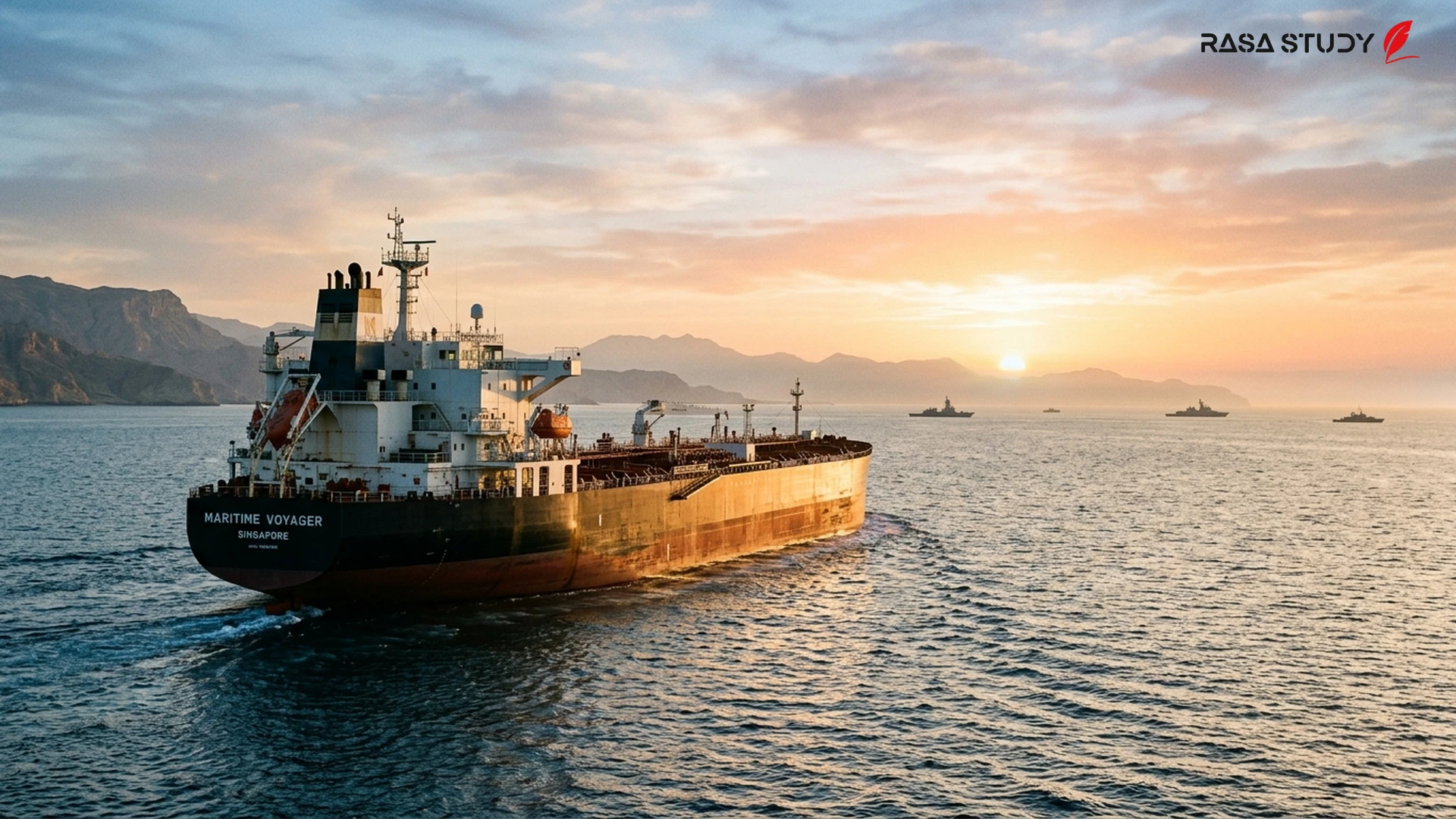
Reopening the Strait of Hormuz and Economic Stability One of the vital aspects of this agreement, which Carney strongly welcomed, is the reopening of the Strait of Hormuz. This strategic waterway, through which a large portion of the world's energy passes, had been effectively blocked during the conflicts. Carney announced that Canada is ready to use its regulatory and financial capabilities to help reopen this trade route [1][3]. He emphasized that the return of stability to this region will have a positive impact on global energy markets and maritime security.
Challenges Ahead and International Reactions Despite Carney's optimism, the agreement has faced serious opposition within the region. Israeli officials expressed their dissatisfaction, citing the agreement's provisions regarding the situation in Lebanon [1][7]. While acknowledging the existence of implementation risks, Carney emphasized that the broad participation of various countries in drafting this agreement gives it greater legitimacy and executive power [4][9]. The official signing ceremony for this memorandum is scheduled to take place on June 19, 2026, in Switzerland, marking the beginning of a new era of diplomacy in the Middle East [1][6].
On the sidelines of the G7 summit in Évian-les-Bains, Mark Carney called the US-Iran agreement a major development.
linkSources
- Kanada Başbakanı Carney, ABD ile İran arasındaki mutabakatın 'ezber bozan' nitelikte olduğunu belirtti — Anadolu Ajansı (2026-06-17)
- Carney says he's seen U.S.-Iran framework to end war, calls it a 'game changer' in CNN interview — CBC News (2026-06-17)
- PM Carney says he's seen tentative U.S.-Iran peace deal, calls conflict 'worth it' — CTV News (2026-06-16)
- US-Iran deal could be regional 'game changer,' Canadian PM says — Türkiye Today (2026-06-17)