With unprecedented escalation in the Strait of Hormuz and reports of retaliatory strikes, analysts warn that any US ground intervention in the region could turn into a historic and attritional defeat, similar to the Vietnam War.
As the world watches the developments in the Middle East with anxiety in July 2026, reports from the Strait of Hormuz indicate a serious military confrontation between the United States and regional forces. According to reports from the 'A Haber' network, tensions in this strategic waterway have reached their peak, and speculation about a major attack that could shake the entire region has increased [1].
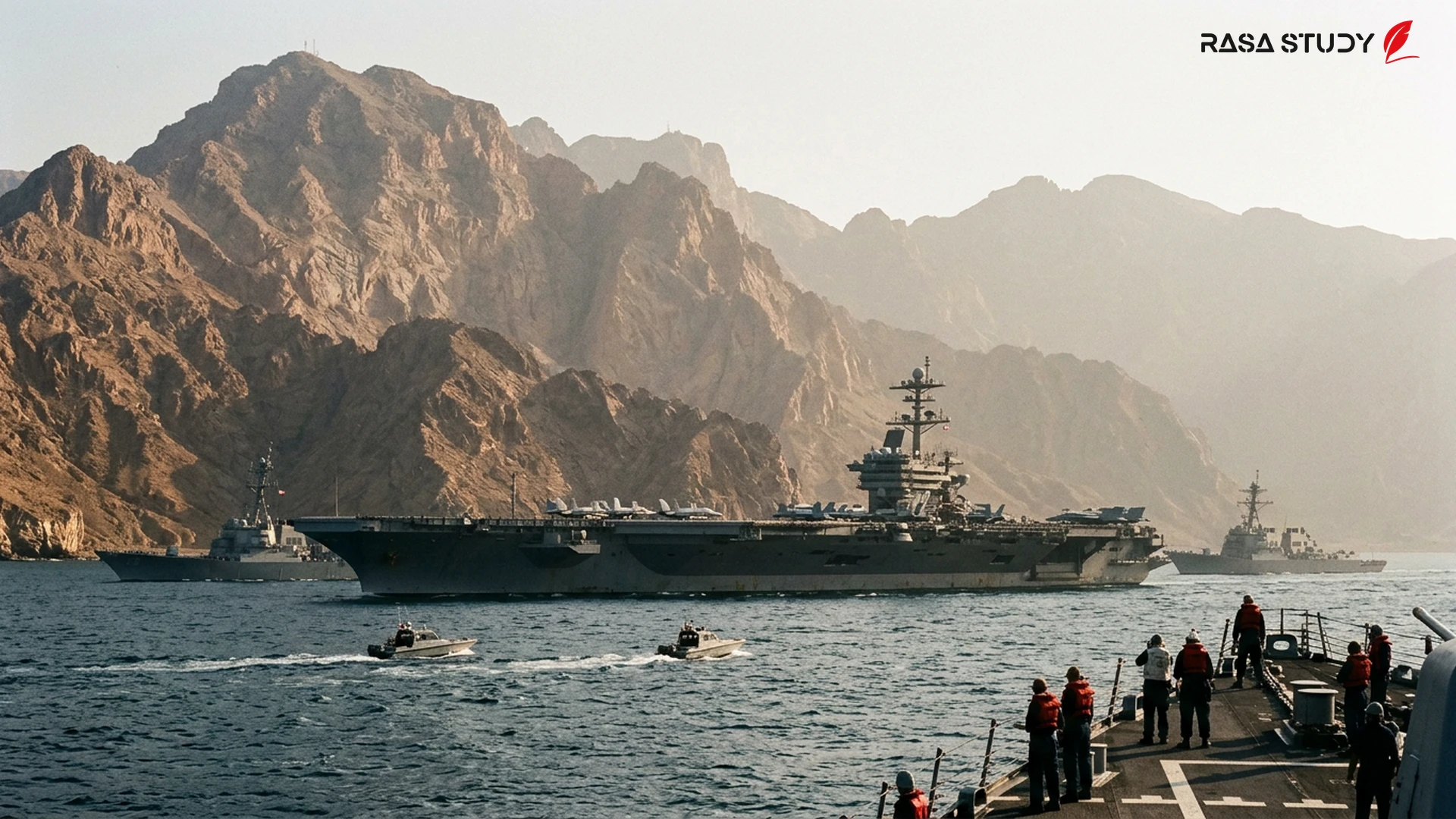
Crisis in the Strait of Hormuz: The Drums of War Sound The situation in the Strait of Hormuz is deteriorating by the hour. Reports indicate US airstrikes and Iranian retaliatory responses near the port city of Sirik [2]. Washington is attempting to challenge the current sovereignty over this vital waterway by creating new transit models through the Gulf of Oman. However, countermeasures for inspecting ships by regional forces have pushed the crisis into a complex diplomatic and military phase [1].
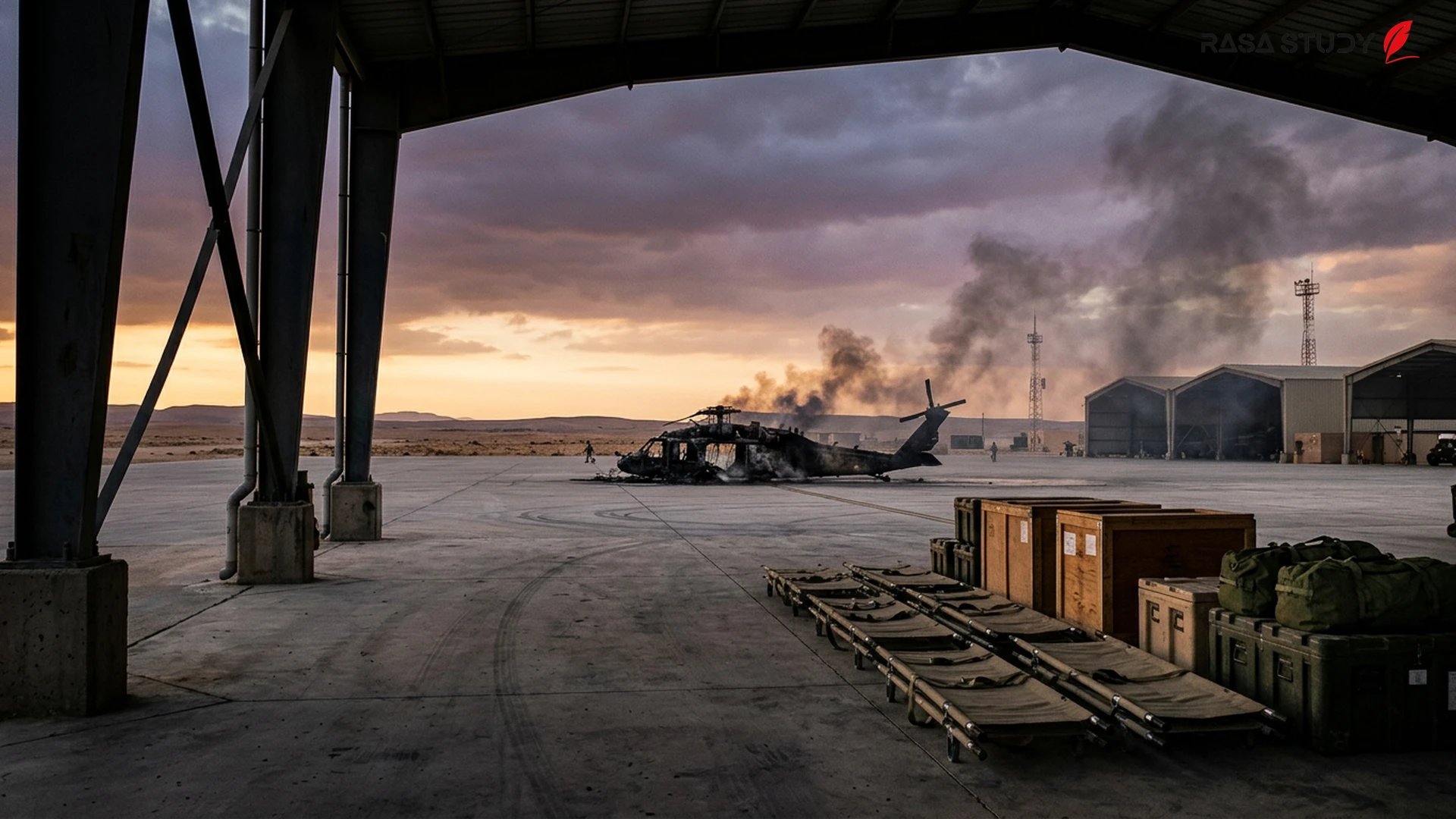
Warning from Turkish Media: A 'Vietnam' Scenario for Washington Mete Sohtaoğlu, a prominent Middle East expert, warned in an interview with Turkish media that Iran's rugged and mountainous geography would turn any ground operation into a nightmare for the US military. He emphasized that this situation could trap Washington in a quagmire similar to the Vietnam War [1]. According to him, current US bases in the region, including those in Jordan, lack the necessary defensive capabilities against ballistic and hypersonic missiles, which significantly raises the risk of human casualties [1].
Regional Tensions and the Role of Global Powers While the Pentagon has been preparing for a potential ground operation for weeks, international analysts point to the contrast between limited troop deployment and Iran's high military readiness [4][5]. The Trump administration faces a major challenge; neutralizing Iran is seen not only as a regional goal but as part of a grand strategy to cut off China's energy resources and weaken the Tehran-Beijing-Moscow axis [4]. However, the risk of a declaration of 'Jihad' and mass mobilization in the region is a threat that could turn any quick victory into a long war of attrition [4].
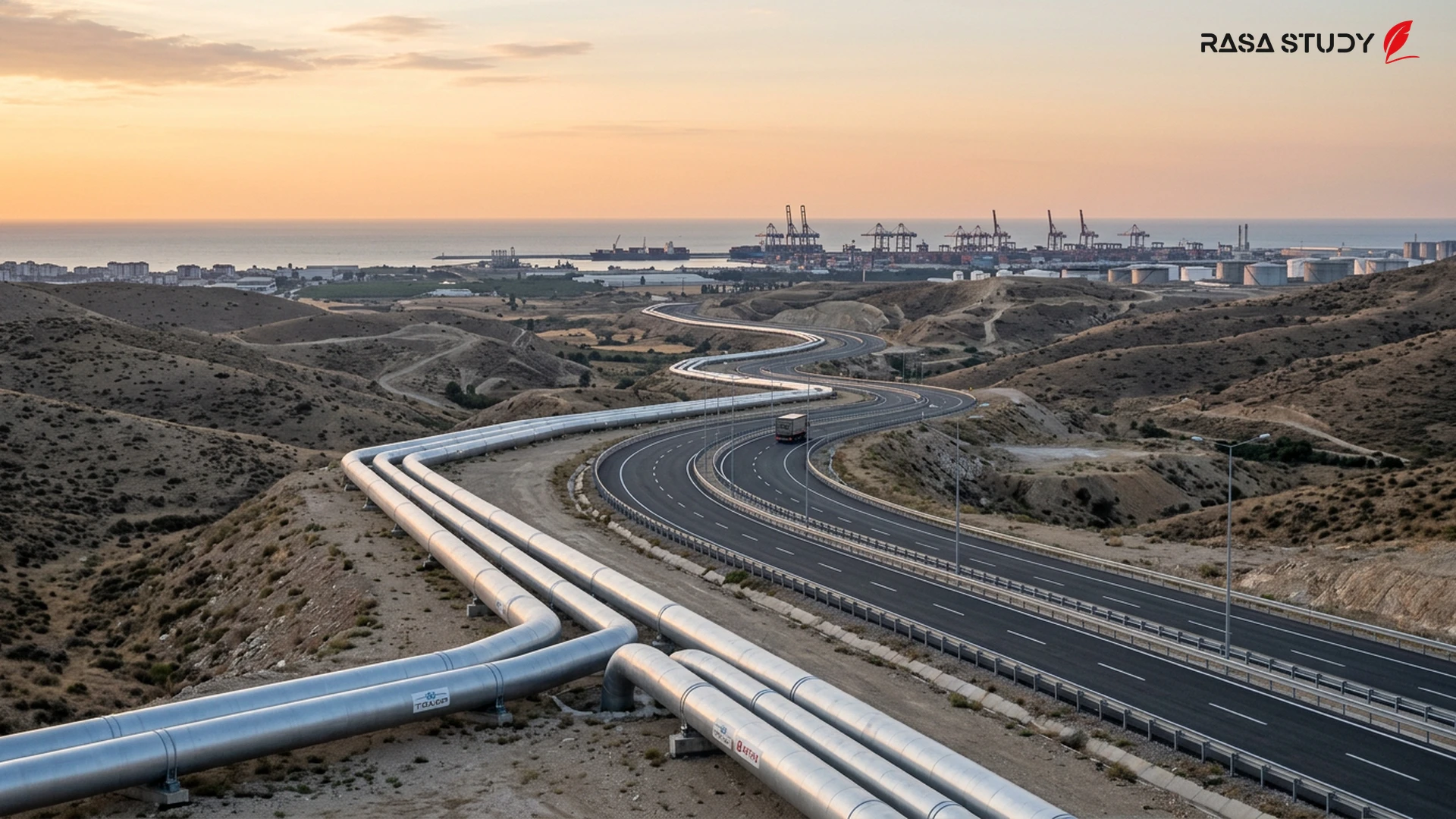
Geopolitical and Economic Consequences Any widespread conflict at this juncture would confront global energy markets with a massive shock, resulting in global inflation and instability in energy security [5]. Experts believe that unlike limited aerial operations, entering a ground phase could permanently tarnish Washington's political credibility and lead to the weakening of US influence in the 21st century instead of strengthening its position [4].
Tensions in the Strait of Hormuz have reached their highest level in 2026.
linkSources
- Orta Doğu'yu sarsacak dev saldırı yolda mı? Kara harekatı ABD için yeni bir 'Vietnam' olur! — A Haber (2026-07-18)
- Iran claims US preparing for ground attack — Vietnam News Agency (2026-07-19)
- The Strategic Position of the United States and Iran Conflict — Eurasia Review (2026-02-26)
- US Military Presence and Potential for Conflict in Iran — CSIS (2026-02-27)
- Pentagon prepares for weeks of ground operations in Middle East — George Washington University (2026-03-30)