With the collapse of the Middle East ceasefire and oil prices jumping to $80, Turkey's currency market witnessed severe fluctuations on July 9, 2026. The Turkish Lira, under pressure from energy import costs, recorded a new record low in devaluation.
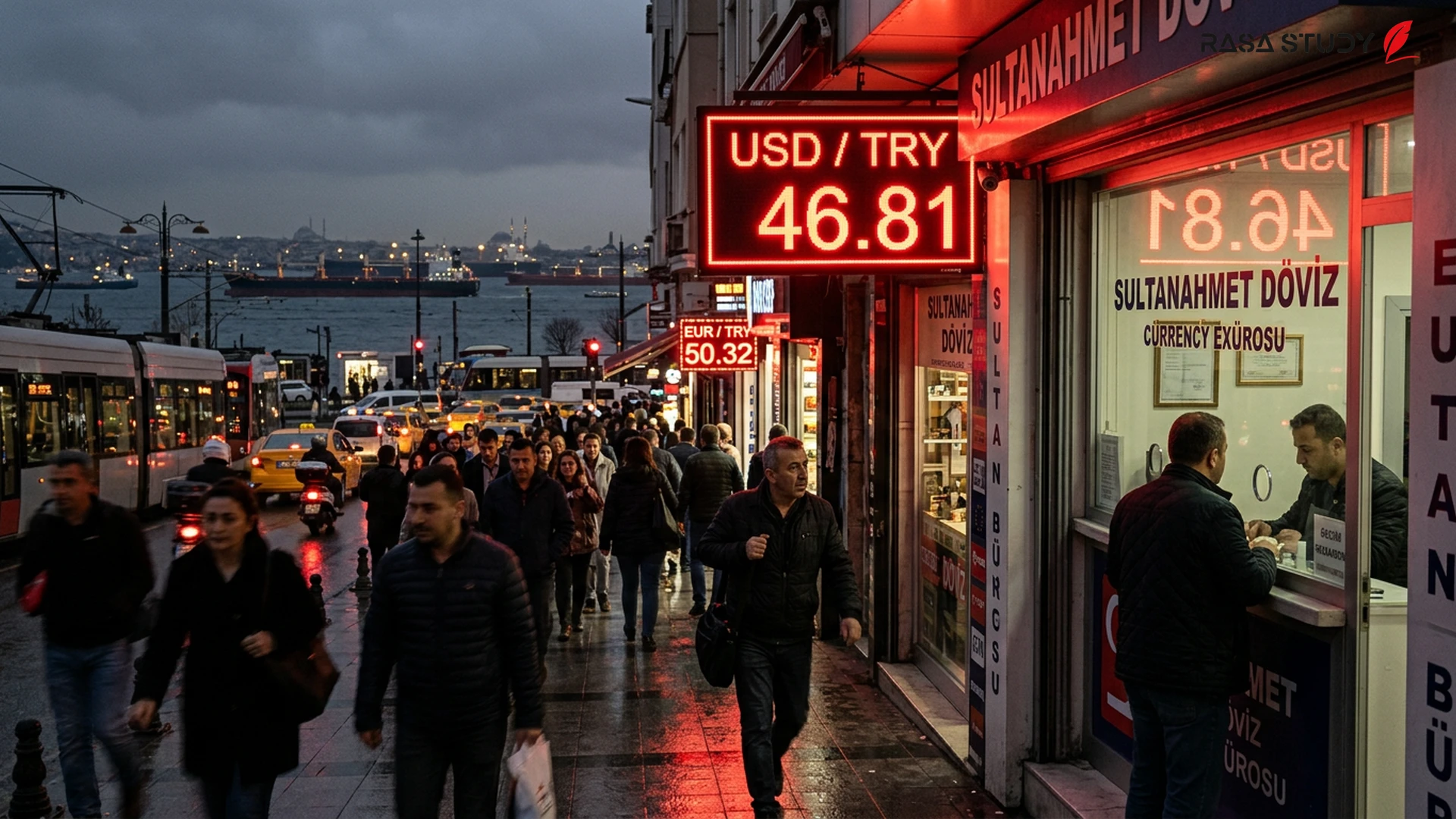
Energy Crisis and the Currency Market Blaze Following the escalation of geopolitical tensions in the Middle East, Turkey's currency market faced a critical situation today, July 9, 2026, which domestic media have described as a "fire in the currency market" [1]. The Turkish Lira, already under inflationary pressure, retreated once again against major global currencies due to the sudden jump in oil prices. According to the latest trading data, the US Dollar rate in the Istanbul free market reached an unprecedented 46.81 Lira, while the Euro traded in the 53.59 Lira channel [1][3].
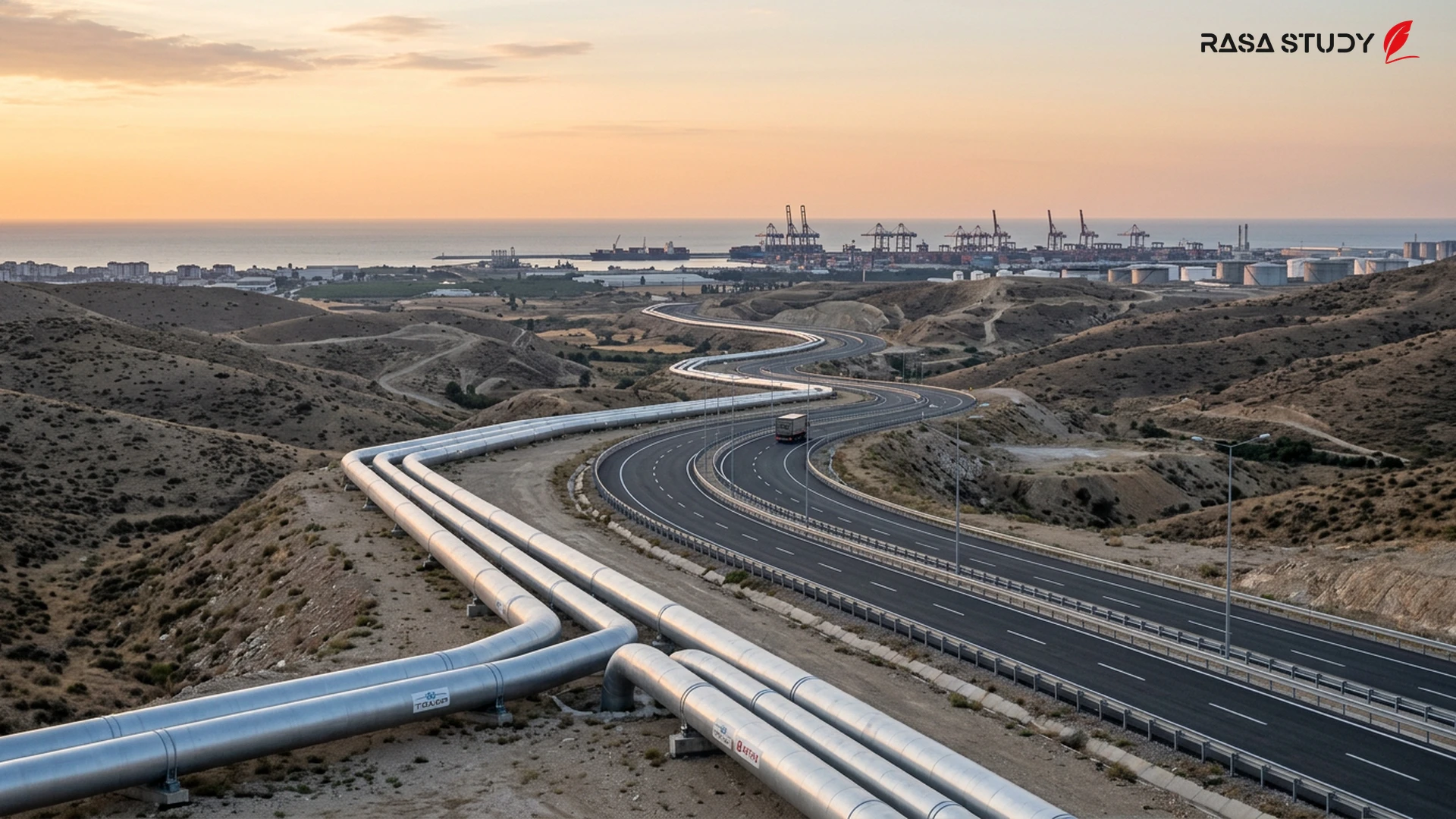
$80 Oil; A Heavy Factor for Ankara's Economy The main driver of this turbulence is the rise of global Brent oil prices to near the $80 per barrel mark [4]. As a country that meets more than 90% of its energy needs through imports, Turkey is highly vulnerable to fuel price fluctuations. Economic analysts warn that every $10 increase in oil prices subjects Turkey's trade balance to a $4.5 to $5 billion deficit and increases the inflation rate by approximately one percentage point [5]. Currently, gasoline and diesel prices at Turkish fuel stations have reached astronomical figures of 62 to 67 Lira, placing additional livelihood pressure on citizens.
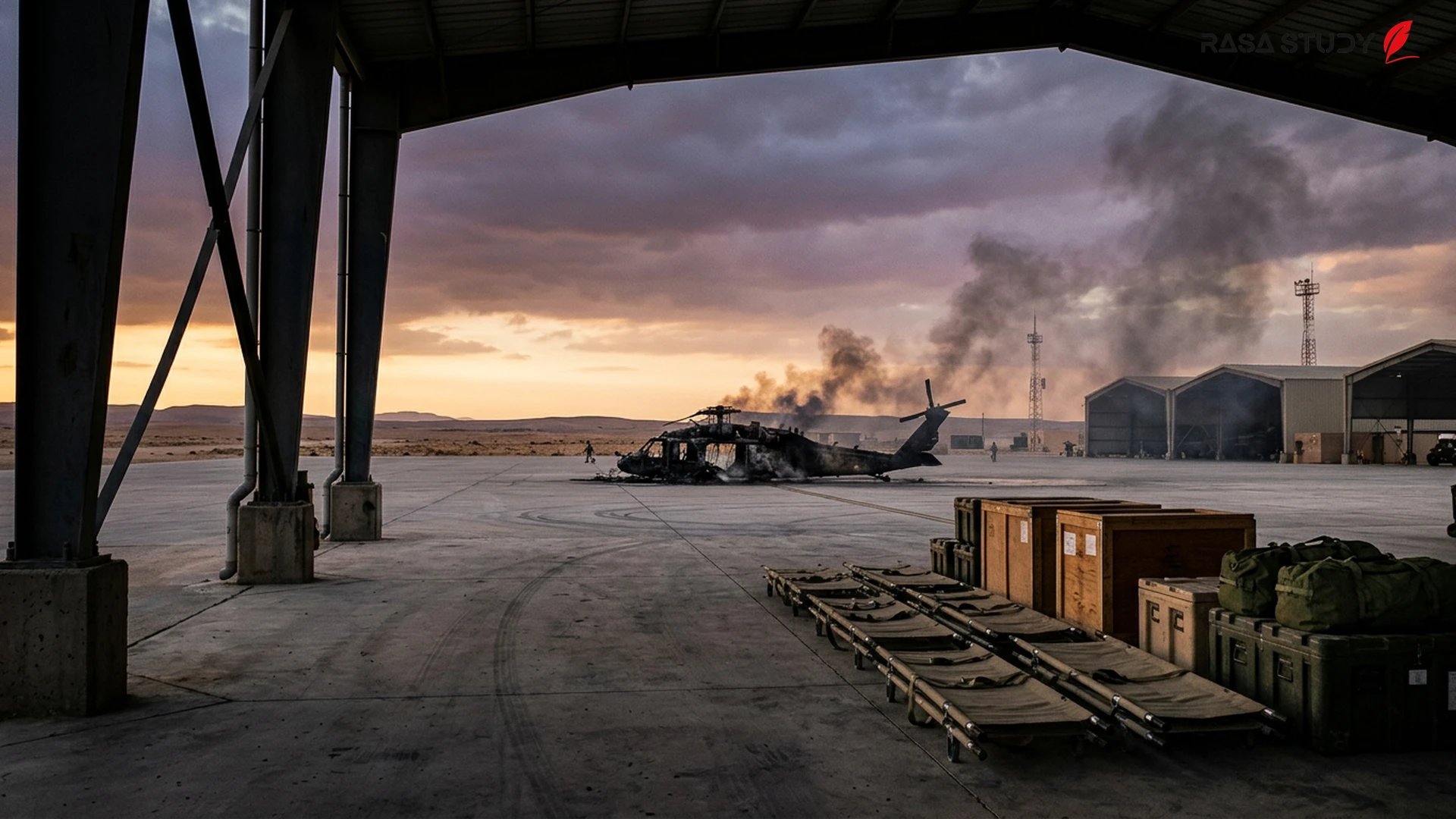
Ceasefire Cancellation and Global Market Reaction Tensions peaked when US President Donald Trump, during the NATO summit in Ankara, announced the official end of the eight-week ceasefire with Iran [4]. Following these remarks and reports of US airstrikes on positions near the Strait of Hormuz, concerns over global energy supply disruptions increased sharply [2]. Brent oil prices have grown by more than 5% in the last two days alone, reaching $78.80 [2][4]. This insecurity in one of the world's most vital energy transit routes has driven investors toward safe-haven assets and doubled the pressure on the national currencies of developing countries, particularly the Turkish Lira.
Central Bank Contractionary Policies and Future Outlook In response to this situation, the Central Bank of the Republic of Turkey (CBRT) has halted its interest rate cut cycle, keeping the official rate steady at 37% [3]. However, due to energy shocks, the effective market funding rate has risen to 40% to prevent a further collapse of the Lira. Experts believe that as long as tensions in the Middle East do not subside and stability does not return to the Strait of Hormuz, the Turkish currency market will remain on high alert, and the possibility of the Dollar reaching the 50 Lira mark by the end of 2026 is not far-fetched.
Severe fluctuations in the Istanbul currency market following the global oil price increase - July 9, 2026
linkSources
- Döviz piyasasında yangın: Petrol fiyatları vurdu — Halk TV (2026-07-09)
- Brent crude climbed 1% to $78.80 per barrel on July 9 — Whalesbook (2026-07-09)
- Turkish Lira - values, historical data, forecasts and news — Trading Economics (2026-07-09)
- Oil tops $80 as Trump reignites Iran tensions — PunchNG (2026-07-09)
- Petrol güç topluyor, işte son fiyatlar — NTV (2026-07-09)